
Canada Achieves ‘Significant’ Housing Supply Progress in 2025, Reports CMHC
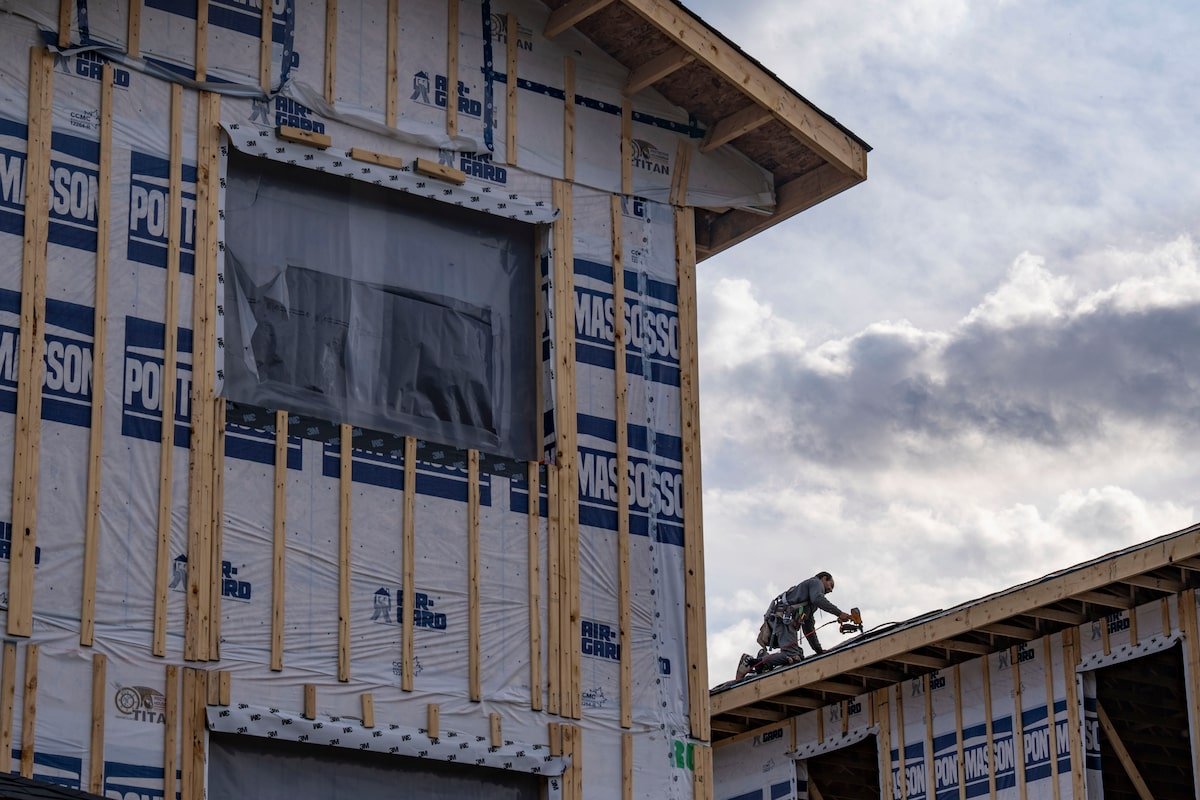
In 2025, Canada’s housing construction industry experienced a notable 6% increase in supply, with the Canada Mortgage and Housing Corporation (CMHC) reporting that approximately 259,000 new housing units were initiated. This surge reflects a broader trend of rising rental construction and an emergence of “missing middle” housing types, which cater to a growing demand for diverse living options. However, underlying market imbalances persist, indicating challenges ahead, especially in major urban centers like Toronto.
Prime drivers of this construction boom include record levels of rental units, nearly doubling the 10-year average. Cities such as Calgary, Edmonton, Ottawa, Halifax, and Montreal reached unprecedented heights in rental unit starts, reflecting a significant shift toward rental markets. Toronto, however, diverged from this trend, witnessing a decline in housing starts per capita, raising concerns about its long-term housing strategy.
The CMHC report highlights that a meaningful portion of new supply consists of missing middle housing—gentle to medium density formats such as multiplexes and stacked townhouses. This category is crucial as it enhances affordability, particularly for families unable to access single-detached homes or small high-rise units. The growth of missing middle starts, which rose approximately 10% across major regions, signifies a strategic pivot toward balanced urban development.
Despite these positive developments, the market remains vulnerable, particularly in the homeownership segment, where demand is subdued due to slower population growth and economic pressures. The decline in condominium presales, coupled with increasing unsold inventory, underscores the fragility of the ownership market. Vancouver is highlighted as facing the most severe unsold condo inventory, while Toronto is experiencing significant increases in unsold condos and row homes, raising alarms about future supply challenges.
Predictions from CMHC indicate that Canada will need to construct between 430,000 and 480,000 new housing units annually over the next decade to restore pre-2019 affordability levels. This underscores the urgent need for strategic planning and execution in both rental and ownership markets. Failure to address these challenges could lead to significant long-term supply constraints, jeopardizing affordability and housing accessibility.
In conclusion, while Canada’s recent uptick in housing construction presents promising developments, particularly in the rental sector, a holistic approach is essential to address ongoing market imbalances and secure future housing needs. The construction industry must remain vigilant and adaptive, fostering innovative solutions to meet the evolving demands of Canadian households.
📋 Article Summary
- Canada’s housing construction rose 6% year-over-year in 2025, reaching 259,000 units, driven largely by record rental unit completions, despite Toronto falling below historical averages.
- The "missing middle" housing category, comprising medium-density units, saw a 10% increase, providing more affordable options as demand for single-family homes remains high.
- While overall housing starts were strong, the ownership market, particularly condominiums, faced significant challenges due to falling presales and high unsold inventory levels.
- The Canada Mortgage and Housing Corporation projects the need for 4.8 million new homes over the next decade to restore affordability, requiring 430,000 to 480,000 units annually.
🏗️ Impact for Construction Professionals
The recent report from Canada’s housing agency highlights a significant increase in housing construction, particularly in rental units and “missing middle” housing. For construction company owners and project managers, this presents both opportunities and challenges.
Practical Business Implications:
With a 6% rise in overall housing starts, there’s heightened demand for construction services. Focus on diversifying project portfolios to include more rental and missing middle options, as these categories are expanding.
Opportunities and Challenges:
While the boom in rental construction offers growth potential, challenges like decreased demand for condominiums and increasing unsold inventories can strain cash flow. Monitor market trends closely to adjust bids and resources accordingly.
Actionable Insights:
Invest in training and resources to enhance capabilities for new housing types, such as multiplexes and low-rise apartments. Connect with local governments to remain updated on zoning changes and funding opportunities in high-demand areas.
Strategic Planning:
Revise your strategic plan to prioritize projects aligning with market trends. Consider establishing partnerships with developers focusing on affordable housing to secure long-term contracts and ensure your company remains competitive amidst shifting demands.
#Canada #meaningful #housing #supply #gains #CMHC

