
Winnipeg Selected for Federal Affordable Housing Initiative
New Affordable Housing Initiative at Naawi-Oodena: A Strategic Move in Canada’s Construction Landscape
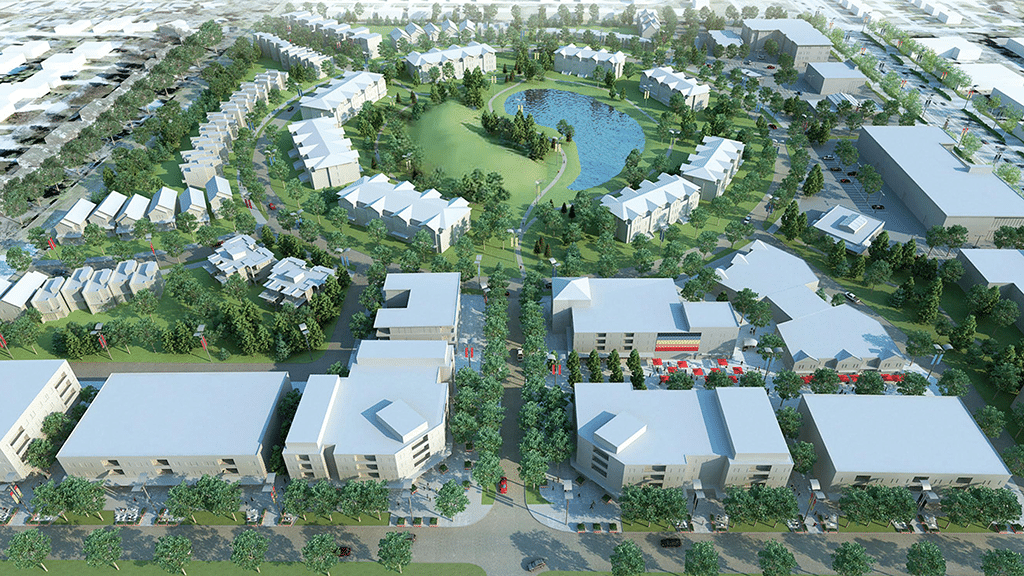
The recent announcement of Naawi-Oodena in southwest Winnipeg as a site for the federal government’s Build Canada Homes (BCH) program marks a significant development in Canada’s pursuit of affordable housing. This initiative, spearheaded by BCH, aims to construct 4,000 factory-built units starting in 2026, with the potential to expand to 45,000 units in the long term. Naawi-Oodena, meaning "centre of the heart and community," is notable for being Canada’s largest urban reserve, and its strategic location between Tuxedo and River Heights enhances its appeal for new housing projects.
With a robust initial capital of $13 billion, the BCH program is part of the Liberals’ ambitious election promise to double housing construction in Canada, specifically targeting non-market housing options for a diverse range of incomes. This initiative not only addresses the pressing need for affordable housing but also prioritizes advanced construction methods, including modular and mass timber technologies. Such innovations are timely, given the current demographics and housing demands across the country.
However, industry experts are questioning whether Canada’s manufacturing sector is adequately poised to meet this ambitious housing goal. A recent survey conducted by the Modular Building Institute revealed that 84% of modular manufacturers possess significant unused capacity, indicating potential for scaling up production. Helen Goodland of Scius Advisory posits that while Canada has the capacity for prefabricated housing, the industry has not yet optimized operations, often running less than full shifts.
Regional distinctions in manufacturing capabilities further complicate the picture. British Columbia leads the way with advanced technologies and a supportive consumer base in BC Housing, while Alberta boasts a strong manufacturing foundation. Ontario and Quebec show promise but are hampered by fragmented production scales and a lack of cohesive demand drivers. This underscores the necessity for strategic partnerships and initiatives to bolster the prefab housing sector across the provinces.
The Canadian Wood Council is addressing these challenges by convening discussions aimed at assessing the manufacturing capacity and supply chain logistics essential for scaling production. With 850 supplier companies identified, the focus is on enhancing collaboration and optimizing transportation logistics to bridge the gap between production and market needs.
In conclusion, while the BCH initiative at Naawi-Oodena is a laudable effort to tackle the affordable housing crisis, its success will hinge on the ability of the Canadian construction and manufacturing sectors to adapt and scale in a timely manner. Enhanced investment in prefabrication technologies and industry-wide collaboration are essential to realize the ambitious goals set forth by BCH and to ultimately meet the housing needs of Canadians.
📋 Article Summary
- Naawi-Oodena, a former Kapyong Barracks site, will host some of the 4,000 affordable housing units planned by Build Canada Homes (BCH), starting in 2026.
- BCH aims to double housing construction in Canada, focusing on non-market housing for diverse income levels and utilizing modular, factory-built methods.
- Canada has considerable untapped capacity in the prefabricated housing industry, with manufacturers largely operating below their potential.
- Various Canadian regions exhibit different strengths in prefab production, but collaboration and larger-scale demand are essential for maximizing their capacity.
🏗️ Impact for Construction Professionals
The recent announcement about Build Canada Homes (BCH) and the development of affordable housing at Naawi-Oodena presents significant opportunities for construction professionals. Here’s how to respond:
-
Engage with BCH: Understand the structure and requirements of BCH’s projects. Becoming a registered contractor can open doors to participation in these builds.
-
Focus on Modular and Prefab Capabilities: With the emphasis on factory-built units, invest in or partner with modular manufacturers. Assess your operational capacity to adapt to this demand.
-
Leverage Regional Strengths: Align your strategy with regional manufacturing strengths. For example, consider partnerships in British Columbia or Alberta for advanced prefab solutions.
-
Expand Workforce Skills: Train staff in new construction technologies and processes to stay competitive. This is crucial, as the industry is shifting towards more innovative building methods.
- Strategic Planning: Incorporate the potential growth in demand for affordable housing in your long-term project pipeline. Stay informed on policy changes and funding opportunities.
This initiative not only presents a substantial market but also emphasizes the need for adaptability and innovation in your operations.
#Winnipeg #site #chosen #location #federal #affordable #housing #initiative

