
“Waterfront East LRT Development Alongside GO Line Expansions to Milton and Kitchener”
Overview of the Eastern Waterfront Light Rail Transit Initiative
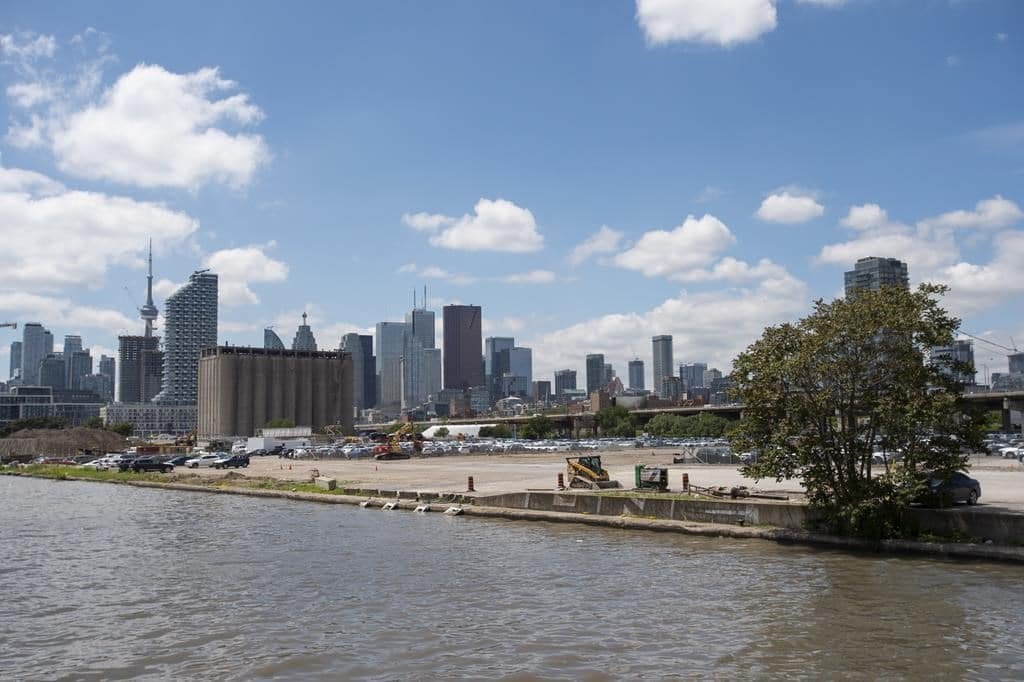
On Monday, Prime Minister Mark Carney announced a significant partnership among the federal government, the Province of Ontario, and the City of Toronto to develop the much-anticipated Waterfront East Light Rail Transit (LRT) line. This key infrastructure project is set to connect Union Station to the Port Lands, an area currently underserved by public transit, relying primarily on bus service. The investment represents a substantial commitment of $3 billion, poised to transform the mobility landscape along Toronto’s eastern waterfront and promote sustainable urban development.
At the core of this initiative is a comprehensive effort to facilitate housing and economic growth. The LRT line is projected to accommodate over 150,000 residents and workers in the area, with an anticipated daily ridership of 50,000. Toronto Mayor Olivia Chow underscored the project as a “critical missing piece” for the waterfront, emphasizing its potential to generate 100,000 jobs and contribute more than $13 billion to Ontario’s economy. The investment aims to enable the development of 75,000 housing units, indicating a robust association between transit accessibility and housing supply in urban centers.
The funding breakdown consists of equal contributions of $1 billion from each level of government, highlighting a remarkable tri-government collaboration, yet crucially, both the federal and provincial governments have stipulated that they will not absorb any cost overruns. This presents a risk management component that stakeholders must navigate carefully as the project progresses.
Infrastructure professionals and stakeholders will find resonance in Waterfront Toronto’s statement, which describes this move as a “landmark commitment” with implications not just for transit, but also for social cohesion and economic opportunity. The connection between transit systems and their ability to unlock residential and commercial growth is well documented in urban planning literature. This project will not only enhance accessibility but also foster the development of new neighborhoods and businesses along the eastern waterfront.
Additionally, the press conference revealed further transit plans, such as the “GO 2.0” initiative aimed at enhancing two-way service on multiple GO lines and advancing the Alto High-Speed Rail line from Toronto to Quebec City. Such projects are vital for improving connectivity across the Golden Horseshoe region, ultimately enhancing the quality of life for commuters.
Expectations place the completion of the Waterfront East LRT by 2032, a timeline that stakeholders will monitor closely as project design and execution commence. By fostering a localized supply chain through “Buy Canada” and “Buy Ontario” policies, the initiative seeks to ensure that regional labor and materials strengthen the positive economic impacts of this transformational undertaking.
📋 Article Summary
- The federal government, Ontario, and Toronto are partnering on a $3 billion light rail transit line along Toronto’s waterfront, which will connect Union Station to the Port Lands.
- The line aims to serve over 150,000 residents in the area, with a projected daily ridership of 50,000 people, and will facilitate the construction of 75,000 housing units.
- Toronto Mayor Olivia Chow emphasized the project’s potential to create 100,000 jobs and generate over $13 billion in economic growth.
- Additional transit initiatives, including expanded GO services and high-speed rail, were also announced to improve connectivity across the region.
🏗️ Impact for Construction Professionals
The announcement of the Waterfront East LRT line and accompanying transit projects presents significant opportunities for construction company owners, project managers, and contractors. With a $3 billion investment and a projected completion by 2032, professionals in the construction sector should prepare to secure contracts for this and related infrastructure projects.
Opportunities:
- Increased Demand: The construction of the LRT line, along with new housing units and other transit projects, will generate high demand for materials, labor, and specialized skills.
- Diverse Projects: Focus on diversifying your services to include high-speed rail, urban development, and green infrastructure as government projects expand.
Challenges:
- Cost Management: With governments stating they won’t cover cost overruns, effective budgeting and project management will be critical.
- Regulatory Compliance: Be prepared for stringent regulations and local hiring mandates, as local governments prioritize using Ontario-based resources.
Actionable Insights:
- Engage in strategic partnerships with local subcontractors and suppliers to bolster your bidding position.
- Invest in workforce training to ensure compliance with the Buy Canada policies.
- Stay informed on project timelines and requirements by networking with city planners and attending public forums.
Incorporating these strategies into your business model will enhance your competitive edge and position your company for growth in this expanding market.
#Waterfront #East #LRT #works #expansion #lines #Milton #Kitchener

