
Transforming Vision into Reality: Expanding Innovative Housing Solutions in Canada
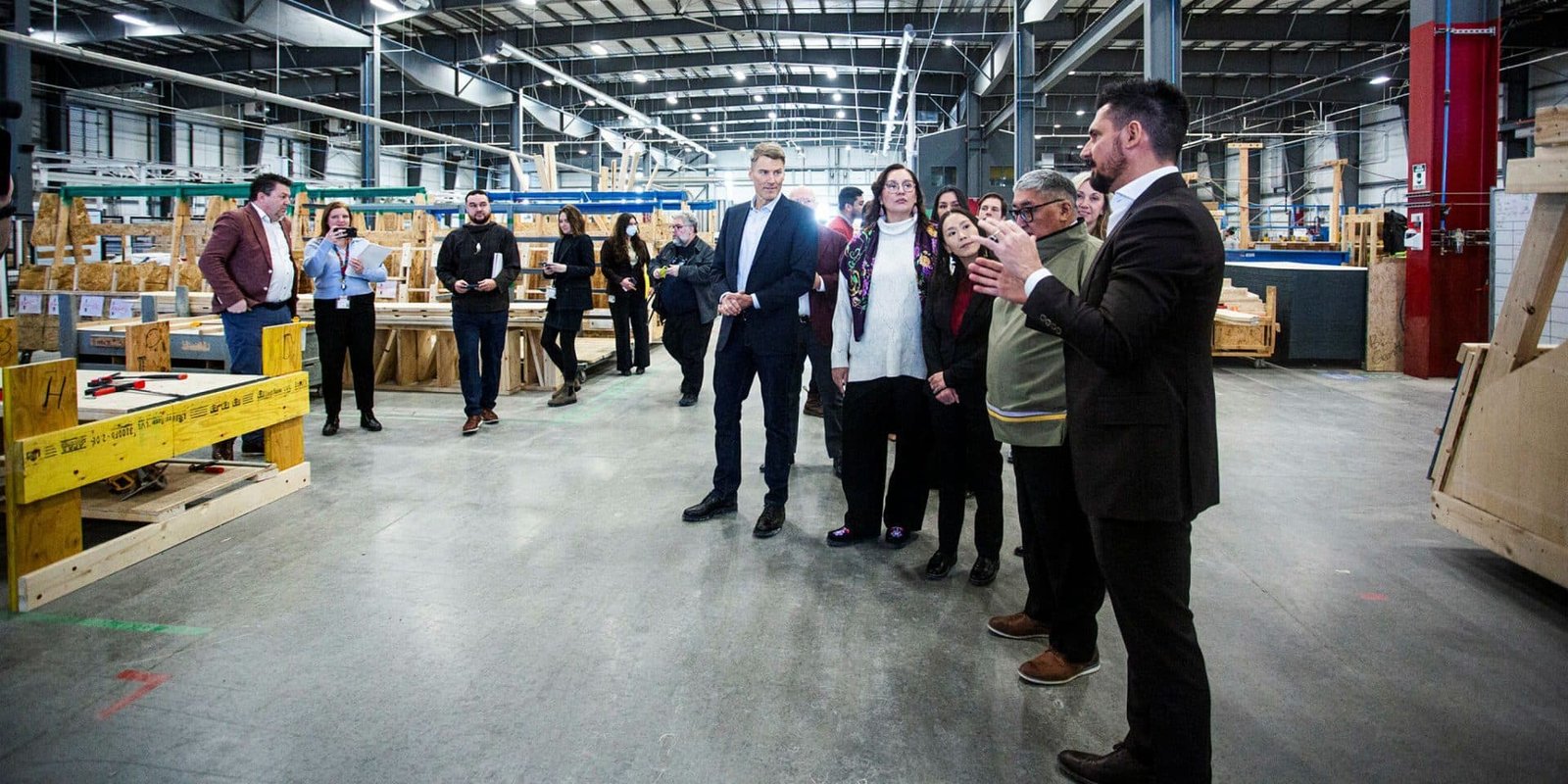
In recent discussions surrounding Canada’s housing crisis, a noteworthy emphasis has emerged on the potential of factory-built housing. While acknowledging its innovative nature, key industry stakeholders, including government officials, stress the importance of a cautious approach. Housing Minister Gregor Robertson and Indigenous Services Minister Mandy Gull-Masty recently highlighted this sentiment during a visit to a Caivan production facility in Ottawa. Their remarks signal a growing recognition that factory-built solutions are not a one-size-fits-all remedy for the multifaceted housing challenges facing Canada.
Factory-built housing, often touted for its efficiency and reduced construction timelines, has the potential to increase housing stock in a market experiencing severe shortages. These prefabricated structures can be assembled rapidly, providing much-needed accommodations in both urban and rural areas. However, the government calls for a framework that prioritizes thorough, Canada-specific research to determine the contexts in which these technologies can be most effective. As the industry navigates this evolving landscape, it is crucial to assess not only the economic benefits but also the socio-cultural implications of introducing such housing models into diverse communities.
Understanding regional differences in housing needs and preferences is paramount. For instance, what works in densely populated urban centers may not be suitable for remote communities. The dialogue emphasizes conducting pilot projects and comprehensive studies to gauge the adaptability of factory-built homes across various environments. Policymakers are urged to gather data and insights to make informed decisions that align with local needs and preferences while also considering sustainability goals that are increasingly relevant in today’s construction practices.
The implications of this careful approach extend beyond production; they touch on broader themes, such as affordability, social equity, and environmental sustainability. Engaging local populations in the planning process ensures that factory-built housing does not merely become an imposed solution but rather a collaborative effort that fosters community buy-in and acceptance.
In conclusion, while factory-built housing presents an innovative avenue for addressing Canada’s housing shortages, it must be approached with due diligence and careful consideration of local contexts and needs. As Canada seeks to navigate its housing challenges, a strategic and research-driven methodology will be essential in optimizing the effectiveness of emerging construction technologies. The ongoing discussions led by key policymakers serve as a reminder that, in an industry marked by rapid advancements, a thoughtful assessment can yield sustainable and equitable solutions for all Canadians.
📋 Article Summary
- Factory-built housing is not a complete solution to Canada’s housing issues; a cautious and informed approach is crucial.
- Policymakers should rely on rigorous, Canada-specific research to assess the effectiveness of these housing technologies.
- Understanding the contexts where factory-built housing can be beneficial is essential for informed decision-making.
- A judicious approach can prevent premature policy leaps that may not address the core housing challenges.
🏗️ Impact for Construction Professionals
The recent announcement regarding factory-built housing in Canada presents several practical implications for construction professionals. Firstly, owners and project managers should consider integrating modular construction techniques into their project proposals, as this could position their firms favorably against competitors.
Opportunities abound as the government emphasizes research on the effectiveness of these technologies. Construction firms can engage in partnerships with research institutions to stay ahead of market trends and develop innovative solutions that align with government guidelines.
However, challenges may arise, such as adapting existing workflows to incorporate new technologies and securing necessary training for staff. It’s crucial to assess current capabilities and consider investing in training programs to ensure the workforce is equipped for these changes.
Actionable insights include conducting a feasibility study on incorporating factory-built components in upcoming projects and actively participating in discussions with government bodies to shape policies that impact the industry. This proactive approach will enhance strategic planning and ensure smoother day-to-day operations while aligning with evolving market demands. Understanding these shifts will be essential for maintaining competitiveness in a rapidly changing landscape.
#promise #reality #scaling #innovative #housing #Canada

