
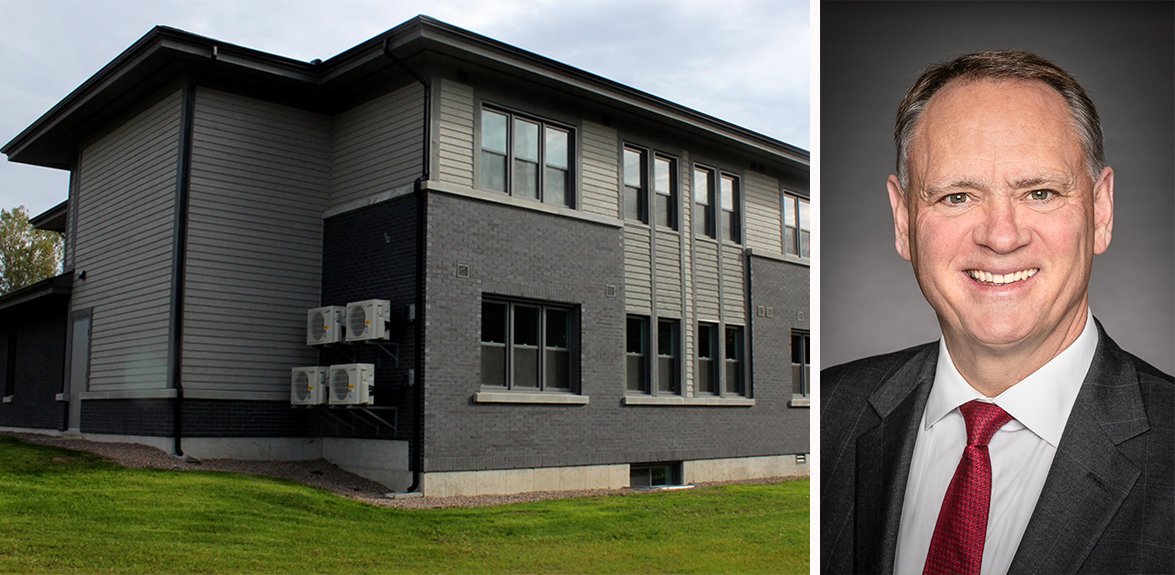
Thousands of New Homes Proposed for Canadian Military Families
The Government of Canada has recently initiated the second phase of a national military housing construction program, representing one of the most significant investments in military housing in decades. This initiative aims to construct approximately 7,500 new Residential Housing Units (RHUs) across Canada, enhancing the residential landscape for Canadian Armed Forces (CAF) members and their families. Minister of National Defence, David J. McGuinty, announced these ambitious plans during a visit to the Uplands site in Ottawa–Gatineau, highlighting the necessity of modern housing for the well-being and operational readiness of military personnel.
Phase 2 builds upon the groundwork laid in Phase 1, which has already delivered over 800 new housing units in nine locations facing critical housing pressure. The latest expansion strategically targets 25 military sites nationwide, with Ottawa set to receive 280 new housing units, of which 160 will be constructed at the Uplands location. Notably, key military communities such as Valcartier, Petawawa, and Edmonton will each be home to over 1,000 new units, with additional developments planned in Kingston and Gagetown. This concerted effort aims to alleviate housing shortages while bolstering community stability.
The initiative is part of a broader governmental strategy to improve housing affordability and combat rising living costs. As Minister of Housing and Infrastructure, Gregor Robertson emphasized, this expansion not only provides quality housing for military families but also supports local housing markets by easing pressure on civilian residences. The adoption of Modern Methods of Construction (MMC), including modular and prefabricated systems, will accelerate delivery timelines while ensuring sustainability through the use of low-carbon materials.
Defence Construction Canada (DCC) has issued advance procurement notices for projects valued at approximately $3.74 billion, facilitating early industry engagement. The collaboration with Build Canada Homes aims to meet the growing demand for affordable housing while enhancing job creation in the construction sector. The program is expected to generate substantial employment opportunities, spanning skilled trades, engineering, and logistics.
Beyond immediate housing needs, this initiative holds significant implications for CAF recruitment and retention strategies. By ensuring military personnel and their families have access to safe, modern, and sustainable housing, the government reinforces the supportive framework necessary for operational readiness. Additionally, the commitment to Indigenous procurement and community-based economic growth reflects a forward-thinking approach to construction and development, ensuring that these initiatives contribute to long-term national progress.
In conclusion, this expansive housing program represents a critical intersection of military support, community stability, and economic opportunity, reflecting the government’s dedication to modernizing Canada’s military housing infrastructure while addressing pressing social needs.
📋 Article Summary
- The Government of Canada has initiated Phase 2 of a military housing program, aiming to deliver approximately 7,500 new residential units for the Canadian Armed Forces (CAF) and their families.
- This expansion builds upon Phase 1, which is already constructing over 800 units in areas of high housing demand nationwide.
- The initiative supports recruitment, retention, and operational readiness while addressing local housing market pressures and improving the quality of life for military families.
- The program also prioritizes Canadian materials and includes Indigenous procurement targets, promoting economic reconciliation and community growth.
🏗️ Impact for Construction Professionals
The Canadian government’s announcement of a major military housing construction initiative provides significant opportunities for construction companies, project managers, and contractors. With approximately 7,500 new units planned, this represents a surge in demand for housing construction, creating potential contracts for various professionals.
Practical Implications: Firms should prepare to engage in competitive bidding processes for these projects. Assess your capacity to handle large-scale developments and consider collaborating with other companies for larger contracts.
Opportunities and Challenges: This expansion may lead to increased demand for skilled labor and materials, posing challenges like supply chain management. Companies should bolster relationships with suppliers to secure necessary resources.
Actionable Insights: Stay informed about the procurement timelines and regulations associated with this initiative. Regularly check government web portals for contract offerings. Moreover, invest in training programs to meet anticipated labor shortages.
Day-to-Day Impact: Adjusting your strategic planning to prioritize government contracts can help align resources accordingly. Consider developing innovative approaches to modular and prefabricated construction to appeal to this initiative’s focus on modern methods and sustainability.
#Thousands #Homes #Planned #Support #Canadian #Military #Families

