
Study Reveals N.W.T. Must Construct Thousands of Homes by 2044
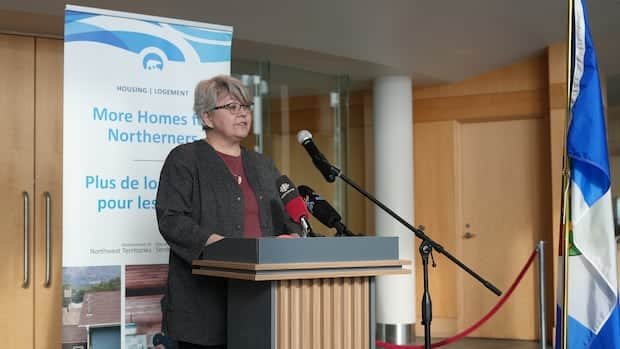
The Northwest Territories (N.W.T.) is facing a critical housing crisis, as revealed in the government’s first comprehensive housing needs analysis in 26 years. The report identifies an immediate requirement for up to 2,700 homes to address current demand and emphasizes the necessity of constructing thousands more to replace aging infrastructure. According to Housing Minister Lucy Kuptana, this data-driven assessment equips the government with compelling evidence to attract federal funding, specifically through initiatives like the Build Canada Homes fund.
The situation is dire: as of 2024, over a third of N.W.T. households are classified as unaffordable, overcrowded, or in need of substantial repairs. Aging housing stock exacerbates these issues, with more than half of the territory’s homes exceeding 35 years in age, indicating a critical need for both repair and replacement strategies. The analysis forecasts that an additional 2,500 homes will be necessary by 2044 to meet projected demand, indicating that proactive, long-term planning is vital.
The report points out that Indigenous populations significantly bear the brunt of the housing inadequacy, representing 50% of the households surveyed and 71% of those living in substandard conditions. Single-parent households, predominantly led by mothers, also feature prominently in the core housing need category, illustrating the socio-demographic complexities tied to the housing crisis.
In smaller communities, the inadequacy of housing is particularly pronounced. Residents face challenges related to maintenance and rising costs of goods and services, often paying 20% more in Yellowknife compared to Edmonton, with even higher disparities in remote areas. This exacerbates the affordability crisis, necessitating immediate and comprehensive solutions that also contemplate the elevated costs of building and maintaining housing in remote locations.
To address the shortcomings, Housing N.W.T. has earmarked $150 million over three years for unit repairs and replacements. This initiative aims to attract federal investments to improve living conditions and alleviate housing shortages. However, the report underscores that the need for transitional housing is also pressing, as 900 households remain on the waitlist for public housing.
In conclusion, the housing needs assessment presents a clarion call for intervention and investment in N.W.T.’s housing sector. The implications extend beyond mere infrastructure; they resonate through community well-being, economic stability, and the fundamental right to adequate housing for all residents. As the N.W.T. moves forward, strategic collaboration between territorial authorities, federal agencies, and community stakeholders will be pivotal in reversing the trend of housing inadequacy and ensuring sustainable growth for future generations.
📋 Article Summary
- The N.W.T. requires up to 2,700 homes to meet current demand, with an additional 2,500 homes needed by 2044 to replace aging structures.
- Over a third of households are in core housing need, with significant numbers facing overcrowding, high costs, or major repairs.
- Indigenous households, making up 50% of those studied, are disproportionately affected, while single mothers represent 30% of households in core need.
- The report aims to attract federal funding and guide future housing strategies amidst rising unaffordability and high demand across the territory.
🏗️ Impact for Construction Professionals
The recent housing needs assessment in the N.W.T. presents significant opportunities for construction professionals. With an estimated demand for up to 2,700 homes and a total of 2,500 needed by 2044, construction companies should strategically position themselves to capture this market. Consider aligning your resources to focus on residential housing projects—particularly smaller homes with one or two bedrooms, which are in high demand.
Next, explore potential federal funding through initiatives like the Build Canada Homes fund. This could alleviate financial burdens on new projects while increasing your competitiveness. Network with local government and Housing N.W.T. officials to stay updated on prospective contracts and partnerships.
However, anticipate challenges such as supply chain constraints and labor shortages, particularly in remote areas. A proactive approach is to build relationships with local suppliers and develop training programs for the workforce.
Incorporating sustainable practices can also distinguish your business, as the community demands modern, durable housing. Overall, adapt your strategic planning to capitalize on this urgent housing need—it’s a pivotal moment for growth in the N.W.T. market.
#Analysis #finds #N.W.T #build #thousands #homes

