
Steel: A Key Component in Building Canada’s Homes
Steel as the Backbone of Canada’s Residential Construction
In a notable development for Canada’s construction sector, steel has emerged as a crucial material in the fight against the housing crisis plaguing the nation. Recent announcements from Prime Minister Mark Carney regarding the launch of Build Canada Homes underscore the government’s commitment to constructing 4,000 homes and an additional 45,000 housing units nationwide. This ambitious initiative aims to not only generate affordable housing but also urge private developers to adopt advanced construction techniques that integrate steel’s advantages.
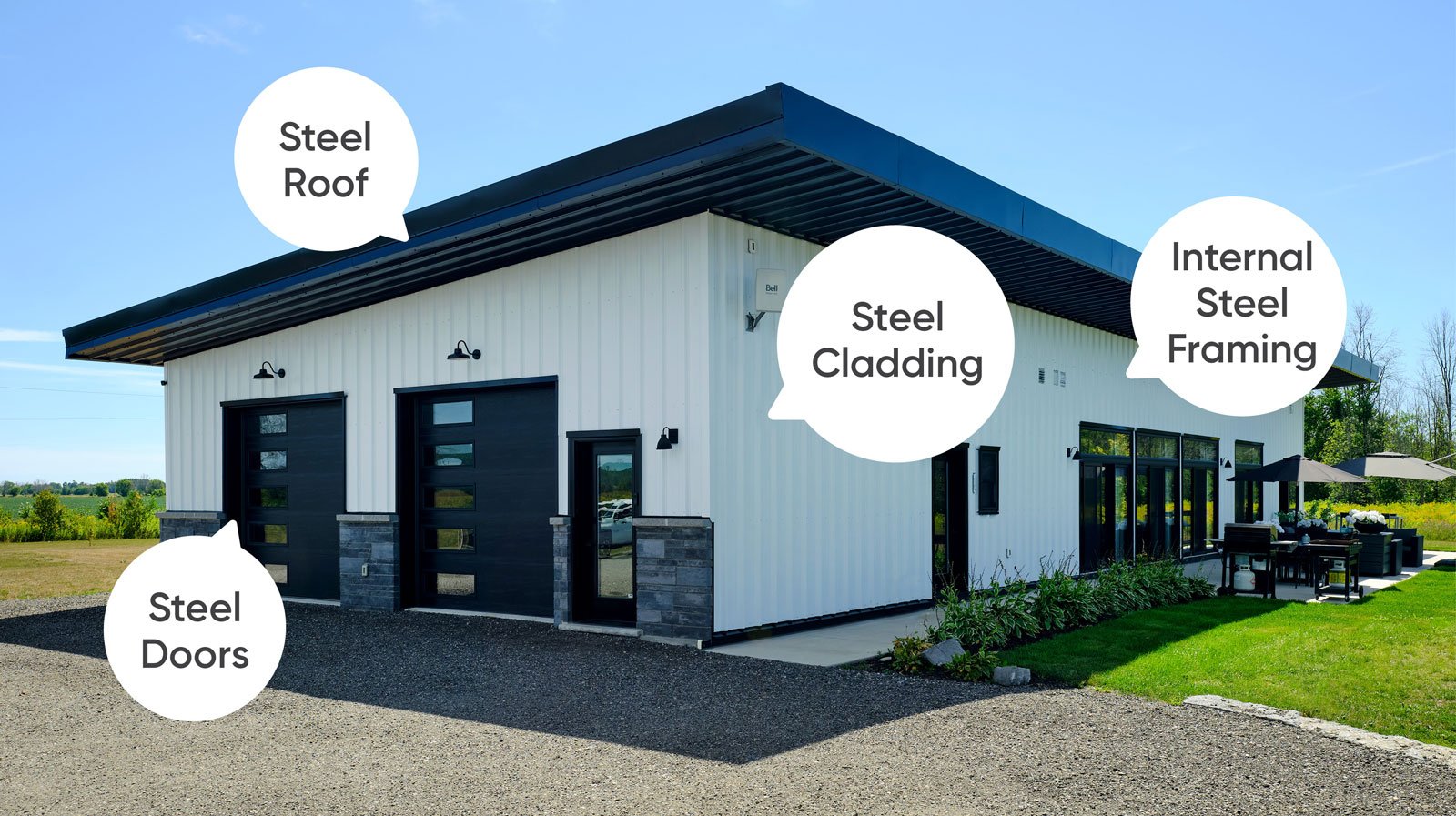
Steel’s significance in residential construction cannot be overstated. While traditional wooden framing is still prevalent, particularly in detached homes, steel framing has become indispensable in multi-unit residential buildings worldwide. Its lightness and durability enhance the safety and integrity of mid-rise and high-rise structures. Structural steel functions as the building’s ‘spine,’ supporting concrete cores and maximizing usable space within skyscrapers. Moreover, steel paneling—specifically Insulated Metal Panels (IMPs)—has proven essential in creating rigid envelopes that expedite construction while minimizing the need for internal supports.
As Canada strives to reshape its approach to housing, rethinking existing building methodologies is paramount. Utilizing steel can significantly shorten construction timelines and reduce costs, offering greater durability compared to other materials. Pre-fabricated steel components allow for rapid assembly, thus enabling multi-unit housing to be erected more efficiently, even in challenging winter conditions.
Importantly, the environmental implications of choosing steel are compelling. As the most recycled construction material, advancements in steel production have led to lower embodied carbon content, marking a significant stride toward sustainability. Innovative architects are already leveraging steel in the design of sustainable structures and Passive Houses, emphasizing that broader adoption could align with Canada’s environmental goals.
Additionally, steel’s non-combustible nature addresses safety concerns, especially in regions prone to wildfires, facilitating denser housing strategies. Homes constructed with galvanized steel boast longer lifespans than those built with concrete or untreated timber, thus ensuring that Canada does not repeat its current housing challenges in the future.
In conclusion, embracing steel in Canada’s residential construction not only addresses immediate housing demands but also sets a precedent for future building practices. As the nation seeks to solve its housing crisis, steel’s multifaceted benefits could provide the backbone needed to create durable, safe, and environmentally responsible homes. The shift towards incorporating steel signifies a critical turning point in how the construction industry responds to evolving housing needs across Canada.
📋 Article Summary
- Steel is essential in Canada’s residential construction, providing strength and durability for various building types, especially multi-unit developments.
- The new Build Canada Homes initiative aims to construct 49,000 housing units using modern steel construction techniques to address the housing crisis.
- Steel facilitates faster construction timelines and reduces overall costs while being environmentally friendly and highly recyclable.
- Its non-combustible nature makes steel a safer choice for building in wildfire-prone areas, contributing to long-lasting and resilient homes.
🏗️ Impact for Construction Professionals
Construction company owners and project managers should view the launch of Build Canada Homes as a pivotal opportunity to pivot towards steel-based construction methods. This transition aligns with national goals to address the housing crisis, positioning businesses to win contracts and attract clients seeking efficient, durable, and modern solutions.
Practical Business Implications:
Embracing steel can shorten construction timelines and reduce costs, directly impacting profitability. As demand increases for multi-unit housing, leveraging steel’s advantages over timber can set firms apart from competitors.
Opportunities and Challenges:
The growing focus on sustainable construction presents an opportunity to enhance branding as socially responsible. However, firms must invest in training and adapting processes to integrate steel framing effectively.
Actionable Insights:
- Invest in workshops for your team on cold-formed steel design and installation.
- Explore partnerships with steel suppliers to ensure timely access to materials.
- Market your capabilities to build safer homes, particularly in wildfire-prone areas.
Strategic Planning:
Integrate steel solutions into project proposals and planning phases. This shift not only meets current housing demands but positions your company for long-term growth in an evolving market.
#Steel #Helps #Build #Canadas #Homes

