
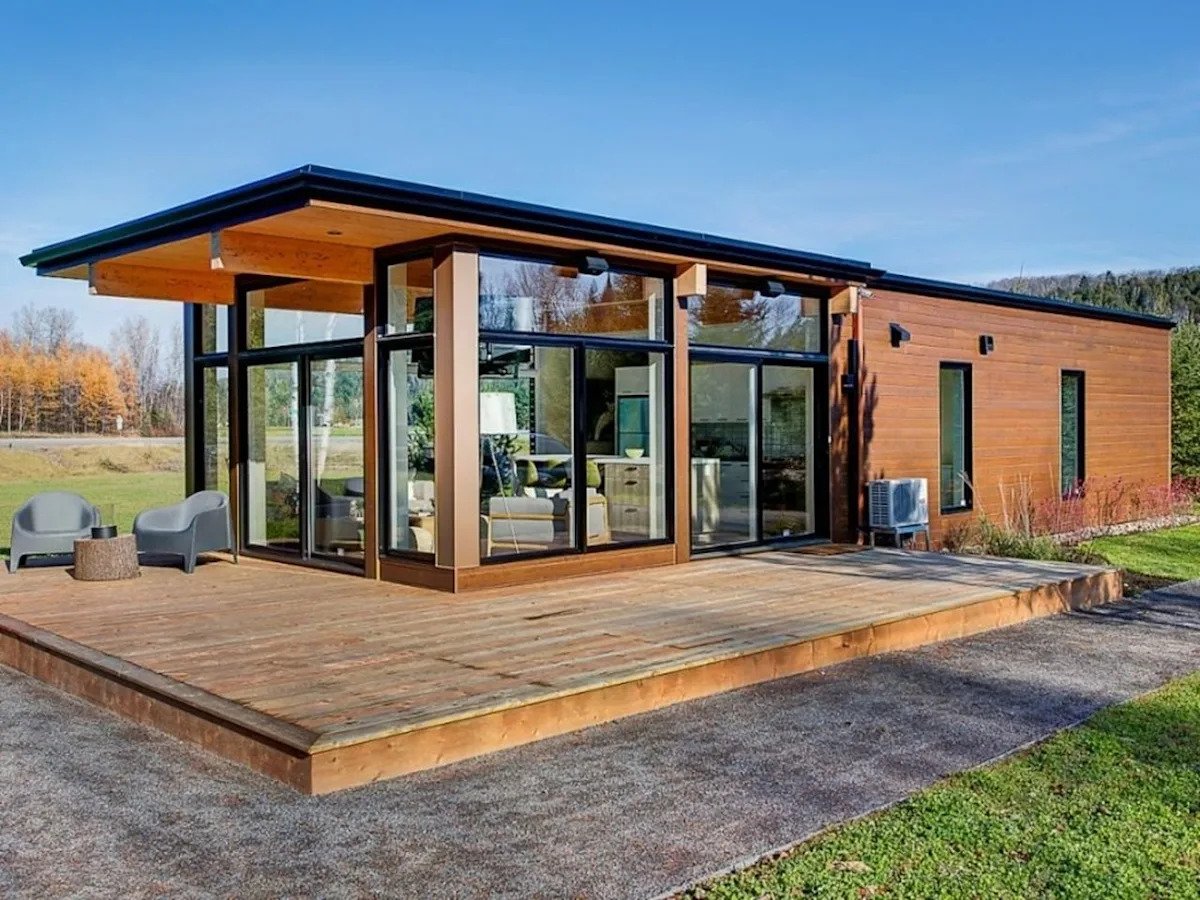
Prefab Homes: Factory-Made and Financially Strained
In a recent push to address Canada’s housing crisis, particularly in high-demand markets like Edmonton, the federal government has unveiled a new budget that emphasizes the significance of prefabricated homes. This initiative is geared toward constructing nearly 50,000 factory-built homes on federal lands, thereby bolstering the supply of affordable single-family dwellings. This move follows Prime Minister Mark Carney’s announcement of the Build Canada Homes initiative, aimed at propelling the factory-built home industry into the spotlight.
Prefabricated homes present several advantages that align with current housing demands. Industry experts underscore quicker build times and enhanced quality control as essential benefits of this construction method, with studies indicating that prefab construction costs can be approximately 20% lower than traditional building methods. For buyers, these homes could potentially save up to $150,000 on average, making them an attractive option for first-time homeowners seeking affordability amidst rising real estate prices.
However, despite these advancements, the uptake of prefabricated homes in Edmonton remains limited. Local realtor John Carter highlights the discrepancy between potential benefits and actual market prevalence. Moreover, financing continues to be a substantial barrier for buyers interested in prefabricated options. Mortgage broker Cheryl Wilkes points out that securing funds often requires significant upfront cash or reliance on costly private lenders, as traditional lenders express hesitance in financing homes where construction has yet to be completed on-site. The absence of collateral during the manufacturing phase complicates financing, thereby stalling the growth of this promising sector.
The government’s investment of $13 billion in the Build Canada Homes initiative appears robust; nevertheless, it notably lacks a dedicated financing program aimed at bridging the existing funding gap. As Steve Morgan, CEO of SEED Homes, notes, the prevailing construction methodologies are excessively costly for first-time buyers, exacerbating the housing supply issue. He advocates for a national effort reminiscent of post-World War II housing strategies that utilized prefabricated techniques to meet urgent housing needs.
In conclusion, while the federal budget aims to stimulate the prefabricated home industry and alleviate the housing supply shortage, financial barriers remain a significant obstacle to effectively harnessing this solution. For prefabricated homes to play a pivotal role in resolving Edmonton’s housing crisis, the industry will need to address financing challenges head-on, thereby positioning these innovative construction methods as viable and accessible alternatives for all prospective buyers.
📋 Article Summary
- Canada aims to address housing shortages by promoting prefabricated homes, with plans for up to 50,000 factory-built units funded in the recent federal budget.
- Prefabricated homes can cost about 20% less and be built significantly faster than traditional homes, making them an attractive option for first-time buyers.
- However, financing challenges remain as lenders are hesitant to fund projects without established collateral, hindering the growth of prefab housing in Edmonton.
- Experts suggest a national initiative akin to post-WWII efforts is needed to leverage modular design and tackle the current housing crisis effectively.
🏗️ Impact for Construction Professionals
The recent federal budget announcement regarding funding for prefabricated homes presents both significant opportunities and challenges for construction professionals. For company owners and project managers, this initiative highlights the need to pivot towards modular construction techniques, potentially reducing costs by up to 40% and shortening build times. Embracing prefab could enhance your competitive edge in a tight market, particularly for affordable housing strategies.
However, financing remains a key challenge, as lenders are often hesitant to support projects without traditional collateral. Consider building relationships with financial institutions willing to explore creative financing solutions or incentives tailored for prefab projects.
Actionable insights include assessing your current operations to integrate prefab techniques, training your workforce on these alternative construction methods, and investing in partnerships with prefab manufacturers.
Incorporating these strategies now could streamline your projects, reduce overhead, and position your business as a leader in a rapidly evolving housing industry. Ensure your strategic planning includes flexibility to adapt to these trends, enhancing your market relevance and resilience.
#Prefab #homes #Factory #built #financially #challenged

