
Ottawa Explores Wartime Housing Models to Increase Supply
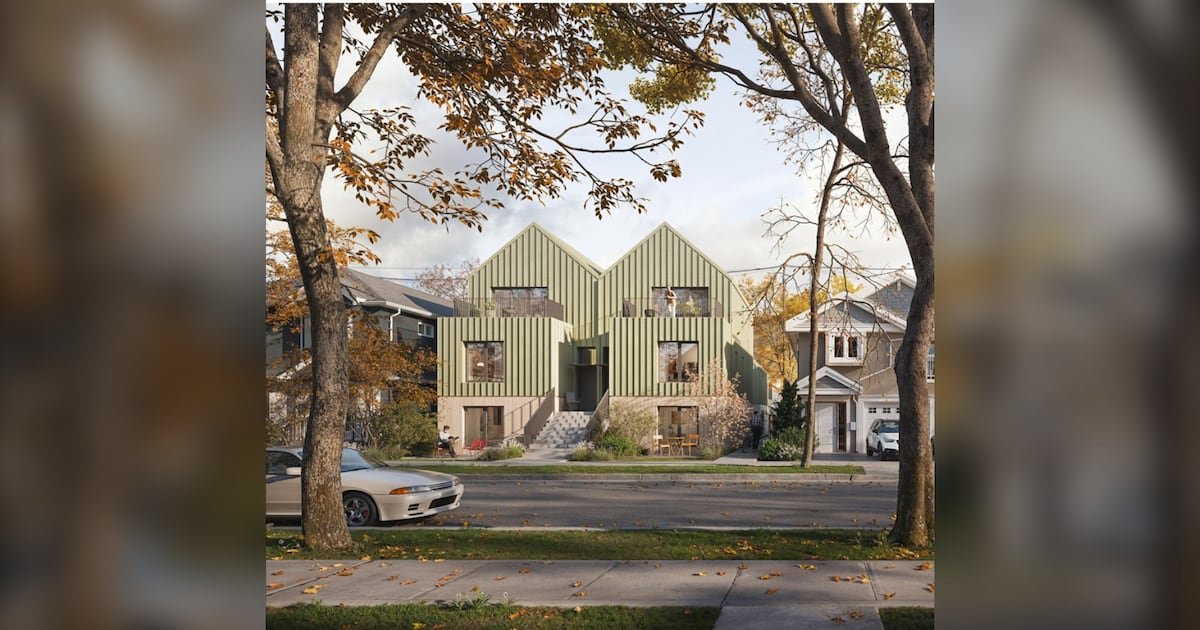
The Canadian federal government, in collaboration with the Canada Mortgage and Housing Corporation (CMHC), has launched a new Housing Design Catalogue aimed at expediting the home construction process across the country. This catalogue features 50 technical design packages, which cater to a range of housing types from accessory dwellings to sixplexes and townhomes, thereby addressing a significant demand for diversified housing solutions.
These design packages, freely accessible online, come equipped with a wealth of documentation, including architectural and engineering drawings, energy reporting documents, building performance reports, user guides, and construction estimates. According to CMHC’s Housing Policy and Programs Advisor, Daniel Rubinstein, these resources provide builders an advantageous starting point, potentially enhancing community integration of new housing developments.
While the designs are described as “nearly permit-ready,” they are not automatically pre-approved. Municipalities are encouraged to streamline their approval processes to facilitate quicker construction timelines. For instance, Charlsey White, the Director of Planning and Development in Yellowknife, notes that the catalogue’s designs align well with existing building bylaws, suggesting a potential reduction in development timeframes of three to six months—an essential consideration in an environment where time translates directly into financial savings.
However, industry experts express caution regarding the catalogue’s broader implications. Professor James McKellar from the Schulich School of Business argues that while the new designs may streamline the initial stages of planning, they may not significantly alleviate the challenges posed by high construction costs and labor shortages. Rising input costs, particularly in materials and labor, remain critical hurdles to affordability in housing construction. The CEO of BILD Alberta, Scott Fash, goes further, indicating that larger developers, who typically prefer to leverage custom designs tailored to local markets, are unlikely to adopt these pre-made plans, thus limiting the catalogue’s impact on housing supply.
Furthermore, while the catalogue provides rough construction cost estimates based on various regional markets—$251,000 to $314,000 for a 634 sq. foot accessory dwelling in Ontario and between $1.51 million and $1.88 million for a sixplex—the absence of concrete projections for new housing units remains a gap in the initiative’s framework.
In conclusion, while the Housing Design Catalogue represents a proactive measure to address housing shortages and promote efficient construction practices, its effectiveness will largely depend on municipal engagement and the broader economic realities of the construction industry. The anticipated impacts on housing affordability and supply will require ongoing assessment as stakeholders navigate these new resources in the context of existing challenges.
📋 Article Summary
- The Canadian federal government has launched a Housing Design Catalogue with 50 technical design packages to expedite home construction, particularly for multi-family units like sixplexes and townhomes.
- These packages offer free resources such as architectural drawings and building performance reports, though they are not automatically pre-approved and require further customization by builders.
- While the initiative aims to address delays in the permitting process, experts caution that it may not significantly lower housing costs or resolve broader issues like high construction expenses and land prices.
- Municipalities, such as Yellowknife and Ottawa, are encouraged to fast-track approvals for these designs, which align with updated zoning bylaws and building codes.
🏗️ Impact for Construction Professionals
The federal government’s Housing Design Catalogue presents a prime opportunity for construction professionals, including owners, project managers, and contractors, to streamline operations and enhance project efficiency. By leveraging the 50 available technical design packages, businesses can significantly reduce design time and ensure projects are “nearly permit-ready,” potentially cutting development timelines by three to six months.
Professionals should assess how these designs align with their current offerings and consider adopting them for new projects, especially in multi-family housing or accessory dwellings. The CMHC’s collaboration with municipalities suggests a push for expedited approvals, which can aid in quicker project initiation.
However, be mindful that while the designs can alleviate some design-related delays, they don’t address cost hurdles related to labor and materials. It’s essential to factor these ongoing costs into project budgeting and strategic planning.
Overall, immediate actions include downloading and reviewing the catalogue, engaging with local municipalities for accelerated permit processes, and exploring integration of these ready-to-use designs into upcoming projects to remain competitive in a challenging housing market.
#Ottawa #wartime #housing #models #boost #supply

