
Ottawa Allocates $210 Million to Assist Non-Profits in Constructing New Homes Across the Province
Overview of New Brunswick’s Historic Affordable Housing Investment
New Brunswick is poised to make a landmark investment in affordable housing, marking a significant shift in the province’s housing strategy. The provincial and federal governments have unveiled a joint commitment of $300 million, with $210 million allocated for capital expenditures to assist non-profit developers in constructing up to 1,200 new housing units over the next two years. This initiative is hailed as the largest of its kind in the province’s history, addressing a critical supply shortage that has left thousands of households in precarious living situations.
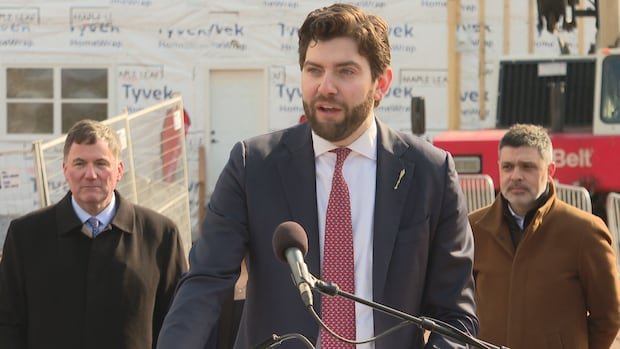
Housing Minister David Hickey underscored the importance of this investment during a recent announcement. The combined funding consists of $150 million from the federal Build Canada Homes agency and an additional $90 million from the provincial government, designated for rent supplements to enhance affordability. This holistic approach not only aims to boost construction but also to alleviate financial strain on tenants, thus promoting long-term housing stability.
The current housing crisis has exacerbated since 2020, with soaring rents and dwindling vacancy rates leading to a waiting list for rental units ballooning from 5,000 to over 13,000 households. Moreover, the demand for rent supplements has surged, with 12,000 households currently in need of assistance. The new funding aims to mitigate these challenges by fostering partnerships with private, non-profit developers who are well-acquainted with local community needs.
Non-profit housing advocates have welcomed this financial commitment, recognizing it as a rare breakthrough after decades of stagnation in public investment. Peter Corbyn, the executive director of the New Brunswick Non-Profit Housing Association, emphasized that this investment could increase the number of affordable housing units by approximately 18% within two years. With 450 new units earmarked for rural areas and 160 allocated for supportive and transitional housing, the initiative promises to reach a diverse demographic, including vulnerable populations.
The strategic decision to engage non-profit entities highlights a collaborative paradigm shift in how housing is developed in New Brunswick. By leveraging local knowledge and expertise, the government aims for a more expedited and community-driven approach to address housing shortages. In doing so, it acknowledges that government agencies alone cannot meet the urgent housing demands, necessitating a multi-faceted response to this pressing issue.
In conclusion, New Brunswick’s unprecedented investment in affordable housing marks a pivotal moment for the construction industry and the province’s residents. It reflects a commitment to effective partnership, responsive action, and, ultimately, a revitalization of community well-being in an era fraught with housing insecurity. The implications of this initiative will resonate beyond immediate construction efforts, potentially reshaping the province’s housing landscape for generations to come.
📋 Article Summary
- New Brunswick’s government announced a historic $210 million funding commitment, alongside $90 million for rent supplements, to build 1,200 affordable housing units over two years.
- The federal government’s contribution of $150 million comes from the Build Canada Homes agency, aiming to increase housing availability amidst a housing crisis.
- The waiting list for affordable rental units has surged from 5,000 to over 13,000 households since 2019, reflecting rising rent costs and low vacancy rates.
- Non-profit developers, representing 170 organizations, welcome this investment as a significant boost, potentially increasing the affordable housing stock by 18% within two years.
🏗️ Impact for Construction Professionals
The announcement of $210 million for 1,200 new affordable housing units in New Brunswick presents significant opportunities for construction company owners, project managers, and contractors. First, consider proactively engaging with nonprofit developers who will spearhead these projects, as they will require skilled contractors and subcontractors. Establishing partnerships or sub-contracting arrangements can ensure a steady flow of work over the next two years.
Evaluate your capacity and align resources to meet potential increased demand, as this wave of new construction may necessitate hiring additional staff or improving operational efficiencies.
Moreover, consider specializing in affordable housing if you haven’t already, as this sector will likely see continued public investment. Stay informed on local regulations and funding opportunities related to affordable housing initiatives, as being a knowledgeable partner can enhance your competitive edge.
Challenges may arise from increased competition, so focus on differentiating your services through quality, timeliness, and compliance with community needs. Maintain a nimble operational strategy to adapt quickly to project requirements and leverage local supply chains to manage costs effectively.
#N.B #Ottawa #spend #210M #helping #nonprofits #build #homes #province

