
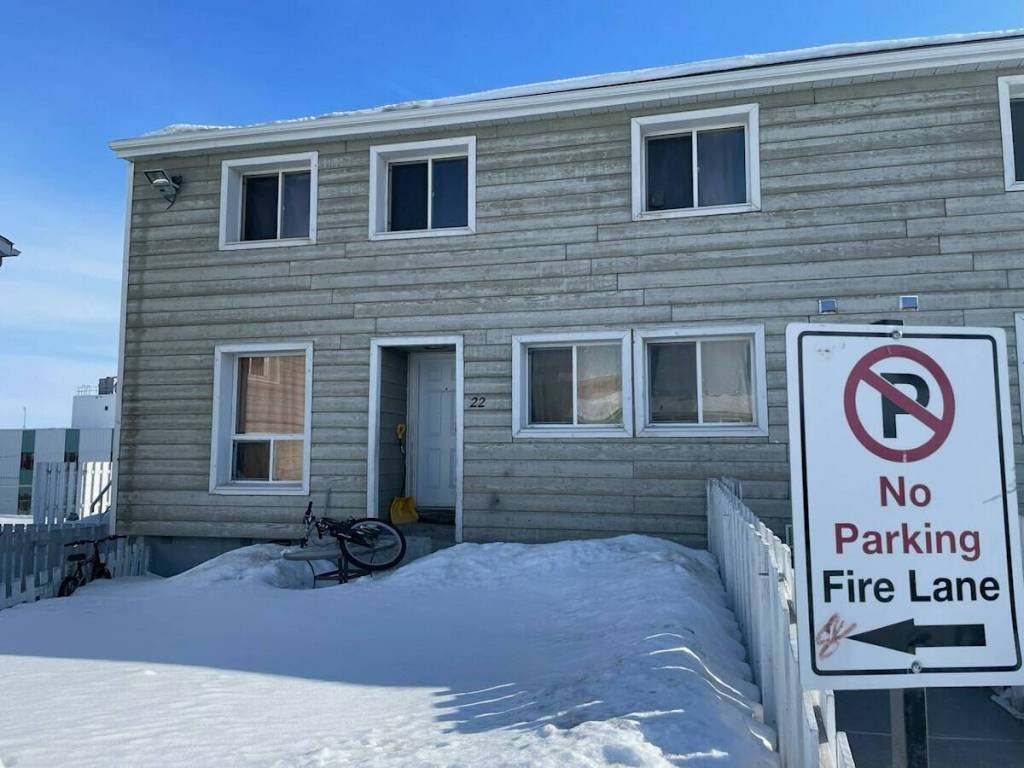
Opinion: Northern Housing Should Evolve as a Self-Sustaining Ecosystem—Created by Northerners, for Northerners
The recently launched Build Canada Homes (BCH) initiative represents a significant federal effort aimed at addressing Canada’s pressing affordable housing crisis, a challenge that has intensified over recent decades. With a commitment of $13 billion, the BCH program seeks to double national housing output by leveraging modern construction techniques and fostering partnerships with private capital. This ambitious scheme echoes the post-World War II housing initiatives, yet it also raises critical questions about its applicability and effectiveness in today’s context, particularly in Canada’s North.
Initial plans for BCH include the establishment of a new national agency to spearhead development and streamline the process of constructing homes on public land. The initiative emphasizes rapid deployment using innovative modular methods, reflecting a desire for efficiency in housing delivery. However, the implications of a hurried construction model may exacerbate existing issues observed during the post-war housing boom, which historically imposed unsuitable housing on Indigenous communities. These homes were not only structurally disconnected from Indigenous cultural practices but also administered through colonial governance frameworks, ultimately leading to long-term housing instability.
The challenges of the North today are inherently more complex than those of the 1950s. Climate change, characterized by permafrost thaw and altering ecosystems, necessitates a re-evaluation of construction methods traditionally employed in the region. Reliance on southern materials and labor, while expedient, has proven unsustainable and ill-suited for the unique challenges faced in northern climates. Indigenous communities have begun to develop innovative, community-led housing solutions, which align more closely with their cultural and environmental contexts.
To navigate these multifaceted challenges, a paradigm shift is essential—shifting from a rapid delivery mindset to a comprehensive Northern Housing Ecosystem approach. This strategy advocates for community governance in housing decisions and recognizes the integral link between housing, health, education, and cultural vitality. Prioritizing local expertise and climate-appropriate designs over market-driven solutions can facilitate sustainable outcomes, ultimately fostering housing autonomy rather than dependency.
In conclusion, while the BCH initiative signals a robust investment in affordable housing, it must evolve to address the distinct needs of Canada’s North more comprehensively. Moving beyond merely counting housing units, stakeholders should focus on designing a long-term, sustainable housing framework rooted in Indigenous leadership and sustainable practices. By integrating these principles, the BCH could serve as a catalyst for a resilient housing model that nurtures communities for generations to come.
📋 Article Summary
- The Build Canada Homes (BCH) initiative aims to invest $13 billion in affordable housing, aspiring to double Canada’s housing output while addressing the ongoing housing crisis.
- Historical parallels with post-war housing policies raise concerns about potential negative impacts on northern Indigenous communities and their traditional practices.
- A more sustainable approach, the Northern Housing Ecosystem (NHE), advocates for Indigenous leadership and community-driven solutions to ensure culturally appropriate and lasting housing.
- For a successful housing future, BCH must prioritize northern autonomy, local labor, and sustainable design over rapid unit production.
🏗️ Impact for Construction Professionals
The launch of the Build Canada Homes (BCH) initiative offers construction professionals a significant opportunity to engage in the burgeoning affordable housing sector. Owners, project managers, and contractors should prepare to navigate both the immediate business implications and long-term strategic shifts.
Practical Business Implications: Increased funding means heightened demand for construction services, especially in the North. Companies should consider diversifying their expertise to include sustainable and climate-appropriate building methods that resonate with local needs.
Potential Opportunities: Engage with Indigenous communities to develop culturally appropriate housing solutions. Collaborations can enhance credibility and ensure projects align with community values, opening doors for long-term partnerships.
Actionable Insights: Invest in training programs that empower local labor forces. This not only aligns with the initiative’s goals but ensures your projects have the necessary maintenance and repair capabilities post-completion.
Day-to-Day Operations: Update strategic planning to incorporate Indigenous collaboration and sustainability as core principles. Evaluate existing supply chains to ensure resilience against climate-induced challenges, which will be critical as construction in these regions faces unique environmental issues.
Overall, adapting to the BCH initiative could solidify your standing in a competitive market and contribute to a more sustainable future in housing.
#Opinion #Northern #housing #built #integrated #ecosystem #North #North

