
Ontario, Canada Secures $8.8 Billion Agreement to Construct Affordable Housing
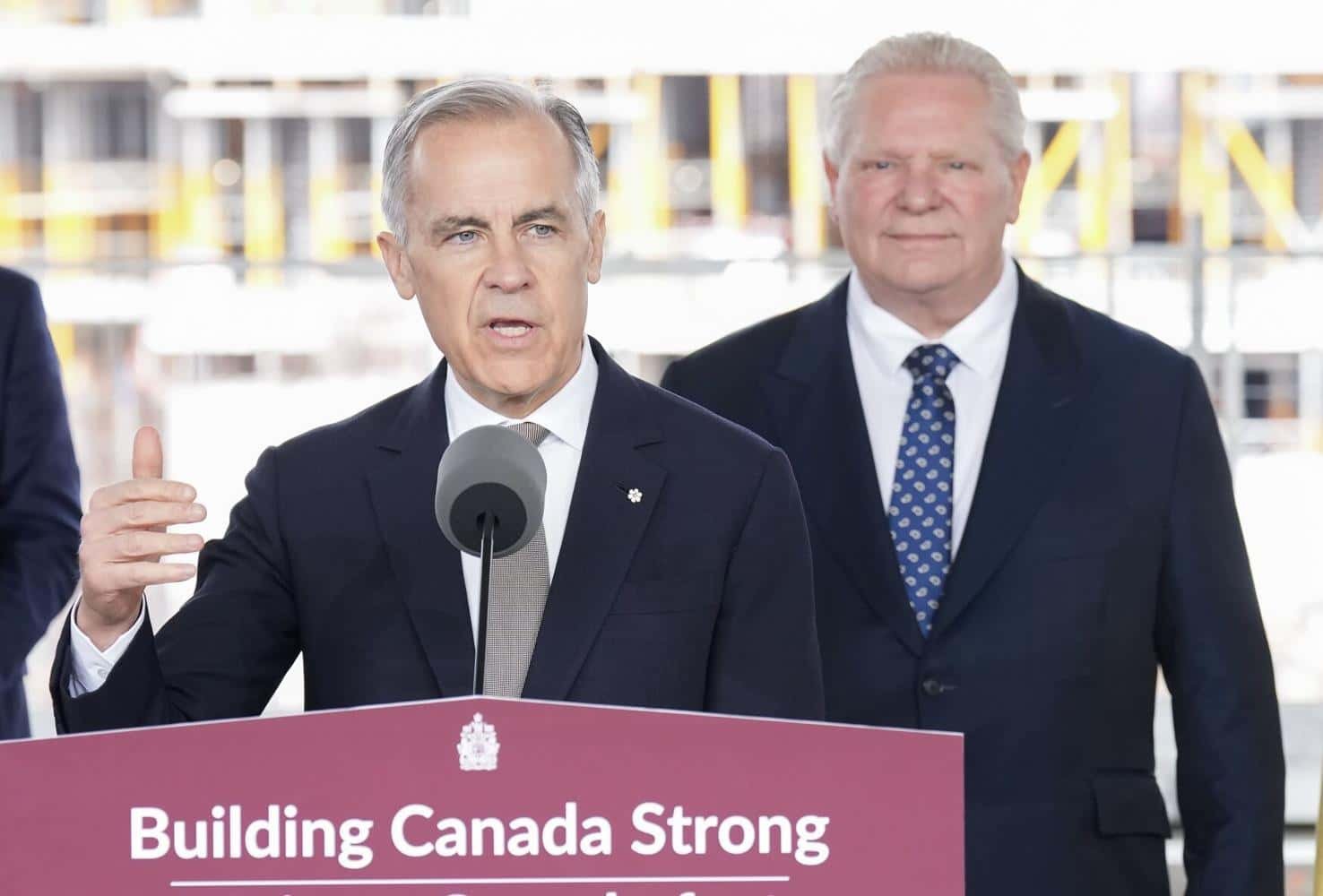
A transformative partnership between the Ontario provincial government and the federal government, led by Prime Minister Mark Carney and Premier Doug Ford, aims to alleviate the growing housing crisis in Canada by significantly reducing the costs associated with new home construction. The announcement, made in Etobicoke, emphasizes a strategic initiative to cut development charges (DCs) by up to 50% over the next three years, a move expected to have substantial implications for both homeowners and builders alike.
The rationale behind reducing DCs stems from their historically inflated prices, which have been a critical barrier to new housing developments. Carney highlighted that these charges can add approximately $40,000 to the cost of a new home. Coupled with a 13% reduction in the Harmonized Sales Tax (HST) on new home purchases, the cumulative savings for homeowners could potentially reach up to $200,000. This significant financial relief aims to enhance affordability in the housing market, allowing for a broader demographic to access homeownership.
From a construction industry perspective, the partnership is poised to catalyze a wave of new developments and stimulate job creation within skilled trades. Carney remarked on the unsustainability of elevated DCs that have not only increased construction costs but have also stalled numerous projects. The initiative serves as a call to action for municipalities, with Premier Ford indicating that funding will be contingent upon local governments committing to the proposed reductions in DCs. This strategic alignment is intended to prioritize municipalities that comply and incentivizes those that have already taken steps to lower these charges.
The agreement includes a substantial financial framework, earmarking $8.8 billion over a decade to offset the potential fiscal impact on municipalities resulting from the reduced development charges. This funding model underscores the dual goals of expanding housing supply while ensuring the financial viability of local government infrastructures during this transitional phase.
As this collaboration unfolds, the implications for the construction industry are profound. Reduced upfront infrastructure costs associated with development charges could streamline the approval processes for new housing projects, ultimately accelerating construction timelines. The focus on increased housing supply and lower costs aligns with broader economic goals, addressing the critical need for affordable housing solutions in urban centers across Canada.
In sum, this historic partnership presents a significant shift in the construction landscape. By tackling the upfront costs of new housing developments, it not only benefits prospective homeowners but also revitalizes the construction sector, fostering growth and sustainability in the Canadian housing market. As stakeholders navigate this evolving environment, the focus will remain on balancing affordability with quality development practices essential for long-term success.
📋 Article Summary
- A new partnership between Ontario and the federal government aims to reduce the cost of building homes and increase the housing supply in Canada.
- Development charges (DCs) for new homes will be cut by up to 50% over three years, potentially saving homeowners around $40,000.
- A Harmonized Sales Tax (HST) cut of 13% for new homes could lead to total savings of up to $200,000 for buyers.
- Funding of $8.8 billion over ten years will be allocated to municipalities that agree to reduce DCs, emphasizing the importance of cooperation for financial support.
🏗️ Impact for Construction Professionals
The recent partnership between Ontario and the federal government to cut development charges (DCs) and Harmonized Sales Tax (HST) presents significant opportunities for construction professionals. Here’s how you should respond:
Practical Business Implications: With DCs reduced by up to 50% and a 13% HST cut, the overall cost of new builds will decrease, making projects more attractive to potential buyers.
Opportunities: Leverage these savings to gain a competitive edge in bidding. Highlight reduced costs in your marketing materials to attract more clients. The joint funding of $8.8 billion over ten years can support infrastructure, enhancing your project feasibility.
Challenges: Monitor municipal compliance with the new DC policy, as non-compliance may affect potential funding. Stay updated on local government decisions regarding funding to ensure your projects remain viable.
Actionable Insights: Engage with local municipalities to understand their stance on DC reductions. Adjust your project timelines to take advantage of anticipated increased housing demand. Consider diversifying your services to include affordable housing projects, appealing to new buyers looking to capitalize on these financial incentives.
This announcement allows you to strategically plan for increased market activity and potential expansion in your business operations.
#Ontario #Canada #sign #billion #deal #build #affordable #homes

