
Ontario, Canada Secures $8.8 Billion Agreement to Construct Affordable Housing
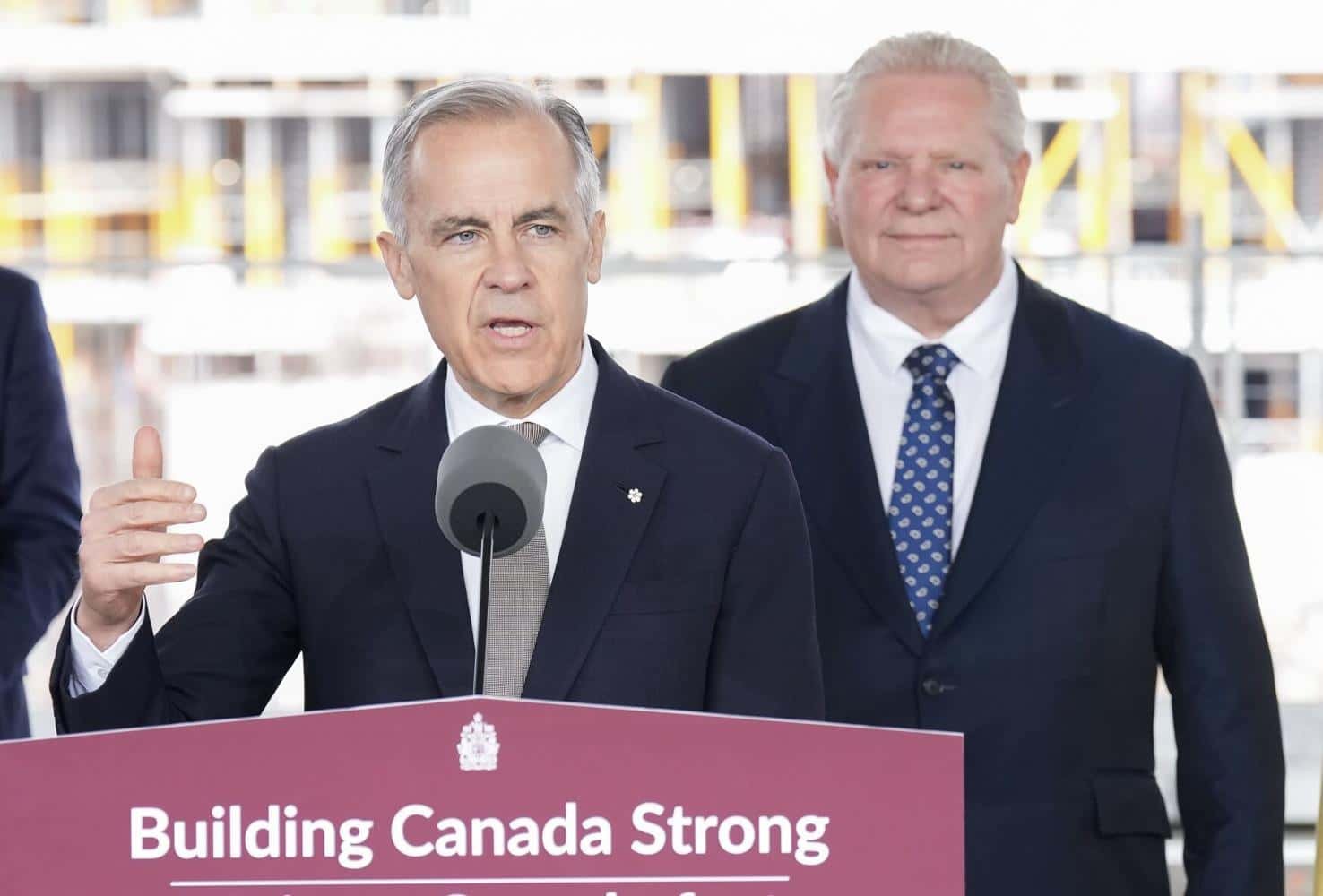
A significant partnership between the Ontario provincial government and the federal government has emerged, aiming to reduce the financial burden associated with new home construction and increase housing supply across Canada. Announced by Prime Minister Mark Carney and Premier Doug Ford in Etobicoke, this initiative focuses on slashing development charges (DCs) by up to 50% over a three-year period. This move is expected to not only lighten the financial load for homebuyers but also expedite the housing market’s responsiveness to ongoing demand.
The reductions in DCs are poised to offer substantial savings, estimated at around $40,000 for prospective homeowners. When coupled with a 13% Harmonized Sales Tax (HST) cut for new homes, the overall financial relief could sum to approximately $200,000 for buyers. This aggressive strategy reflects a collaborative effort to combat rising housing costs and enhance affordability, while simultaneously fostering an environment conducive to new construction.
Prime Minister Carney emphasized the partnership’s multifaceted benefits, noting its potential to create new career opportunities within the skilled trades sector. He underscored that the rising development charges in previous years had resulted in increased costs for new homes, thus stalling essential construction projects. By addressing these administrative burdens, the new policy aims to revitalize the housing sector and stimulate market growth.
Premier Ford characterized the agreement as “historic,” illustrating its strategic importance in securing provincial funding for municipalities willing to adhere to the reduced DCs. He asserted that municipalities that fail to comply risk forfeiting provincial housing funds, which significantly underscores the collaborative nature of this initiative. The provincial government has pledged $8.8 billion over the next ten years to offset the impact of these development charge reductions, ensuring that municipalities can adapt without financial strain.
This initiative is particularly vital in light of the escalating infrastructure costs that often act as barriers to new developments. By lightening these upfront costs, it aims not only to increase the housing supply but also to streamline the construction process, thus addressing the pressing housing crisis felt across many Canadian communities.
In conclusion, the partnership between Ontario and the federal government marks a pivotal moment in addressing housing affordability and supply issues. By significantly reducing development charges and sales taxes, this comprehensive strategy seeks to invigorate the construction industry, promote sustainable growth, and ultimately provide Canadians with more accessible housing options. As the housing market continues to evolve, the success of this initiative will depend on its effective implementation across municipalities and its ability to foster collaboration among all stakeholders in the construction industry.
📋 Article Summary
- A new partnership between Ontario and the federal government aims to reduce the cost of building new homes by cutting development charges (DCs) by up to 50% over the next three years.
- Homebuyers could save approximately $40,000 on new homes due to the reduced DCs, while total savings from DC and Harmonized Sales Tax (HST) cuts can reach up to $200,000.
- Premier Ford emphasized that municipalities will not receive provincial housing funding unless they agree to the DC reductions, prioritizing those that comply.
- The agreement includes $8.8 billion over ten years to mitigate the financial impact of reduced development charges on municipalities.
🏗️ Impact for Construction Professionals
The announcement of reduced development charges (DCs) and a cut in the Harmonized Sales Tax (HST) presents significant opportunities for construction professionals. Here’s how you can respond and adapt:
-
Cost Savings: With DCs cut by up to 50% and HST reductions, consider reevaluating your pricing models. Communicate these potential savings to clients to position your services attractively.
-
Increased Demand: Lower housing costs may spur demand for new projects. Stay proactive by scouting areas with high growth potential and aligning your proposals for upcoming residential developments.
-
Streamlined Operations: Anticipate more projects coming to market. This could strain resources, so consider strategic hiring or subcontracting to ensure you can meet increased workloads without sacrificing quality.
-
Collaborate with Municipalities: Engage with local governments to understand funding priorities. Build relationships that may facilitate smoother project approvals and faster timelines.
- Sustainability in Planning: Incorporate value-engineering strategies to maximize resources. This can help mitigate challenges associated with higher competition in the housing market.
By strategically aligning your operations with these changes, you can capitalize on the shifting landscape and enhance your competitive edge.
#Ontario #Canada #sign #billion #deal #build #affordable #homes

