
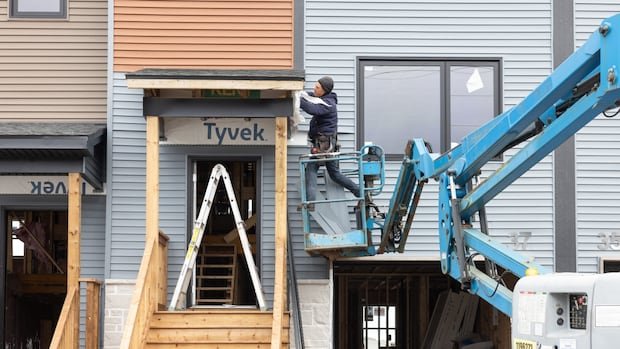
N.S. Housing Construction Needs to Double Over Next Decade to Improve Affordability: CMHC
The Canada Mortgage and Housing Corporation (CMHC) has released a pivotal report indicating that Nova Scotia must significantly ramp up its housing construction starts, necessitating an increase from the current 5,400 units annually to over 12,500 by 2035. This need arises from a pronounced housing affordability crisis exacerbated by the post-pandemic market surge. The CMHC’s assessments underline the urgent requirement for diverse housing options, including rental and homeownership offerings, to restore affordability to pre-pandemic levels.
Experts, including CMHC’s deputy chief economist Aled ab Iorwerth, recognize the obstacles ahead, notably the persistent labor shortages that have challenged construction timelines and project completions. Collaboration between government entities and private sector players is deemed essential to overcoming these hurdles. Ab Iorwerth emphasized enhancing efficiency in development processes while advocating for innovative construction techniques, such as prefabrication, to increase productivity.
The CMHC’s findings also highlight that achieving housing starts surpassing 12,500 is critical not only to offset rising home prices—which average around $511,000 but could drop to approximately $406,000 with increased supply—but also to provide broader access to affordable rents, projected to be 6% lower by the decade’s end. The CMHC has adjusted its affordability benchmarks; however, Regaining levels of affordability from two decades ago remains unrealistic post-pandemic.
Catherine Leviten-Reid, an affordable housing researcher, stresses the importance of non-market housing, which should play a vital role in addressing affordability issues. She argues that government and non-profit housing options typically incur lower rental rates, promoting access for low- and middle-income households. Additionally, she advocates for regulatory measures like vacancy control to curtail rent inflations for existing units.
Nova Scotia’s provincial government is responding proactively, with a stated aim of achieving 14,000 housing starts annually over the next decade. Minister Colton LeBlanc acknowledged the province’s strong performance in the initial period of its five-year housing plan, reporting a year-over-year increase of 38% in new housing starts. However, he emphasizes the necessity for joint efforts with Ottawa and municipal governments to streamline processes.
In summary, the CMHC’s call to action necessitates a concerted effort among stakeholders in Nova Scotia’s housing market. Addressing the current construction bottlenecks while looking toward innovative housing solutions and policies will be crucial in mitigating the affordability crisis facing the province, ensuring that both current and future generations benefit from viable housing options.
📋 Article Summary
- Nova Scotia needs to increase housing construction starts from approximately 5,400 to over 12,500 annually to restore affordability to pre-pandemic levels, according to a CMHC report.
- The province faces challenges like labor shortages and inefficiencies in development processes, necessitating collaboration between governments and the private sector.
- Experts advocate for a greater focus on non-market housing options to ensure affordability, as well as potential regulatory measures like vacancy control.
- Nova Scotia’s government aims to exceed the CMHC’s targets, planning for 14,000 housing starts annually over the next decade, and highlights successful collaborations on affordable housing projects.
🏗️ Impact for Construction Professionals
The CMHC report on housing construction in Nova Scotia presents both opportunities and challenges for construction industry professionals. With the province’s need for more than 12,500 housing starts annually, companies should prepare for a surge in demand for services and materials.
Practical Business Implications: Companies must align their strategies to meet increasing demand, potentially expanding workforce capacity and capabilities.
Opportunities: The anticipated collaboration between the public and private sectors offers openings for contracts on government-backed projects. Emphasizing efficiency through prefabrication methods can also increase productivity.
Challenges: Labor shortages are noted as a significant issue. Companies should invest in training programs or partnerships with local educational institutions to cultivate a skilled workforce.
Actionable Insights: Prioritize creating streamlined project management processes and engaging in local policy discussions to reduce barriers. Monitor government initiatives closely, as these could facilitate quicker approvals for projects.
Strategic Planning: As housing demand rises, factor scalability into your operations and explore non-profit collaborations to diversify project types and access funding.
Overall, this announcement necessitates a proactive approach to adapt to changing market dynamics and capitalize on growth opportunities.
#N.S #housing #construction #starts #double #decade #restore #affordability #CMHC

