
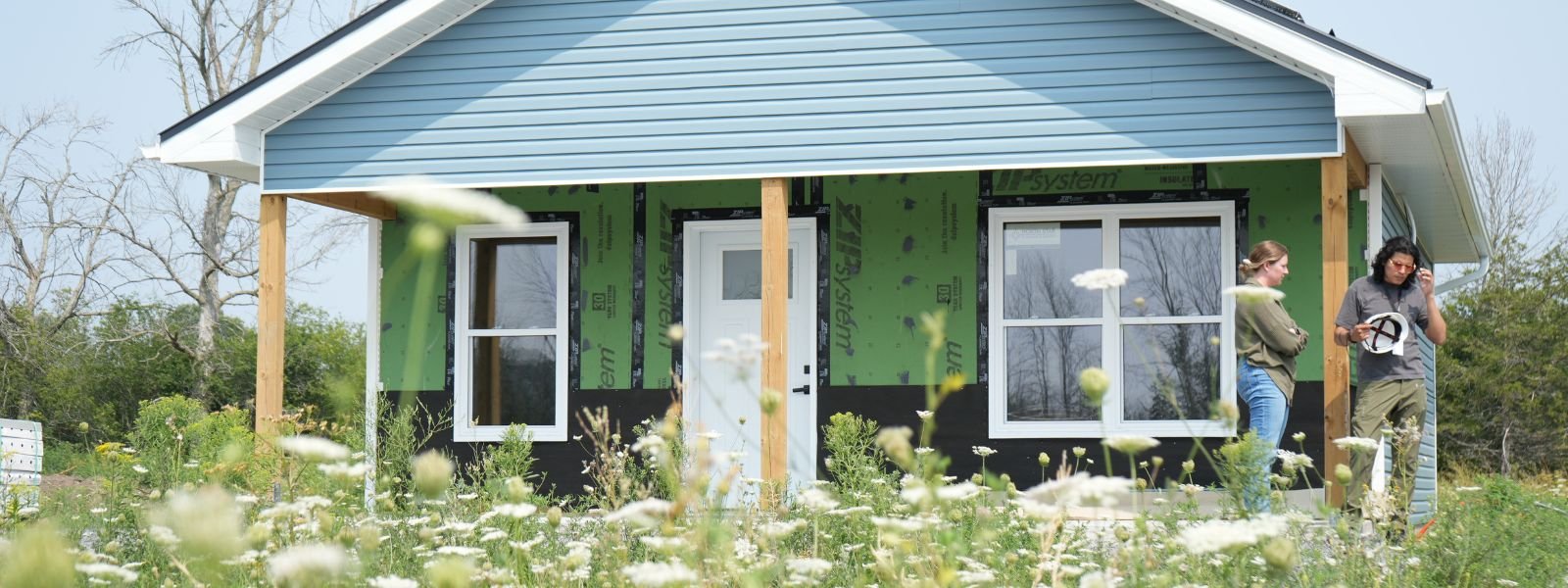
Improving Canada’s Strategy for Indigenous Housing and Health
The state of Indigenous housing in Canada presents significant challenges, with nearly one in six Indigenous individuals living in homes requiring major repairs—approximately three times the rate of non-Indigenous Canadians. An alarming half of First Nation adults report mold in their residences, and Indigenous populations are disproportionately affected by overcrowding. These factors underscore urgent health and social issues, as inadequate housing conditions are linked to higher rates of respiratory illness, particularly among Indigenous Peoples and Inuit infants.
Recent commitments in Canada’s federal budget aim to address these deficiencies, yet the effectiveness of such initiatives hinges on a nuanced understanding of the interconnected issues at play. Housing is not merely a shelter; it is intrinsically tied to health outcomes, reconciliation efforts, and climate resilience. The prevalent poor living conditions also bear financial ramifications, driving up healthcare costs associated with illnesses exacerbated by substandard housing—a staggering $60,000 in average hospitalization costs per admission in Nunavut.
Moreover, climate change exacerbates these vulnerabilities, as extreme weather events and shifting ecosystems place additional stress on already fragile living conditions. Current Indigenous housing policies, characterized by siloed approaches and short-term funding, fail to integrate these multifaceted challenges. This disconnect often forces trade-offs between the speed of construction and the quality of housing, leading to long-term ramifications for Indigenous communities.
In response, the Healthy Energy Homes approach has been proposed as a transformative framework. Emphasizing energy efficiency, climate resilience, and holistic well-being, this model encourages collaboration with Indigenous leadership. Key initiatives, such as Indigenous Clean Energy’s “Bringing It Home” program, exemplify this integrated approach, focusing on community-specific solutions like mold-resistant materials and energy-efficient heating systems.
Strategic recommendations have been outlined to enhance Indigenous housing support. These include fostering intergovernmental coordination to develop tailored policies, ensuring flexible funding arrangements that empower communities, and adopting a holistic measurement of housing impacts that considers social, cultural, and environmental aspects.
Inadequate housing scenarios remain a pressing concern—one that will require concerted efforts and innovative strategies to overcome. As Canada propels forward with new initiatives, such as the Build Canada Homes agency, the integration of Indigenous perspectives is crucial. By embedding principles of Healthy Energy Homes into policy, the foundations for resilient, sustainable living environments can be established. Ultimately, addressing Indigenous housing holistically is not just about building structures; it is about fostering long-term well-being, reconciliation, and resilience within these communities.
📋 Article Summary
- Nearly one in six Indigenous Canadians live in housing needing significant repairs, leading to higher rates of health issues like asthma and mental distress compared to non-Indigenous people.
- The federal budget’s commitment to Indigenous housing can simultaneously address interconnected issues of health, climate change, and reconciliation.
- Current housing policies are fragmented and inadequate, making it crucial to adopt a collaborative and flexible approach, like the Healthy Energy Homes model, that focuses on energy efficiency and community resilience.
- Long-term investment agreements and holistic impact measurements are essential for creating sustainable Indigenous housing solutions that reflect community needs and support reconciliation.
🏗️ Impact for Construction Professionals
The recent emphasis on improving Indigenous housing offers construction professionals valuable opportunities and practical implications for their businesses. First, engage with Indigenous communities to co-develop housing projects aligned with the federal government’s objectives, as these partnerships can unlock new contracts and funding avenues.
Second, being adaptable to flexible funding models is crucial; prepare to design projects that meet varied community needs, including energy efficiency and climate resilience. This approach not only aligns with Canada’s climate goals but also attracts potential grants and investments.
However, be aware of challenges such as navigating bureaucratic processes and potential competition from other firms. To overcome these, streamline your operations to ensure quick responsiveness to proposals and regulatory requirements.
Finally, incorporate holistic approaches in project planning by considering social, cultural, and economic impacts. This mindset not only enhances community relationships but also positions your firm as a leader in sustainable building practices, which can boost your reputation and increase market share in an evolving industry landscape.
#fix #Canadas #approach #Indigenous #housing #health

