
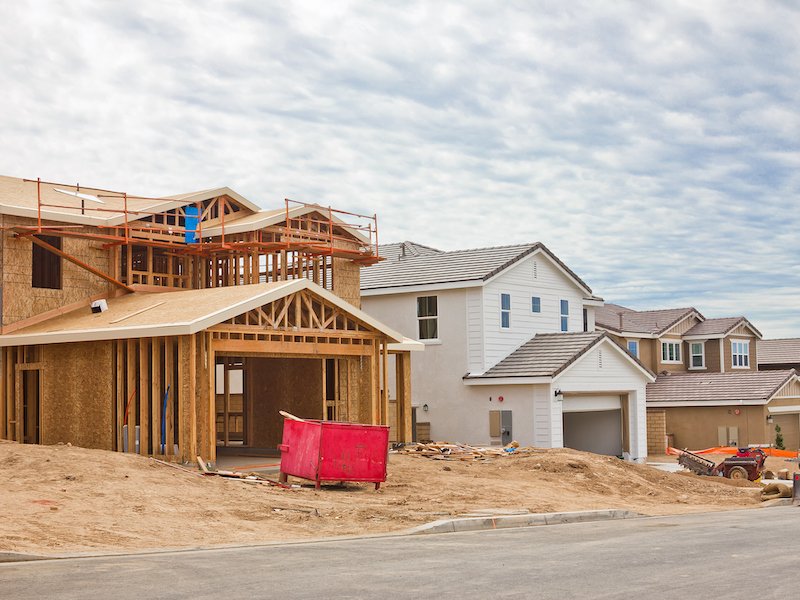
Housing Starts Increased by 5.6% in 2025, Yet Remain ‘Significantly Below Target’: CMHC
The Canadian housing market witnessed notable fluctuations in 2024, culminating in a total of 259,028 housing starts, a commendable increase from 245,367 the previous year. The jump can be largely attributed to robust performances in Calgary and Edmonton, alongside a significant 58% boost in Montreal’s housing starts. However, this growth was offset by declines in two of the nation’s largest markets: Toronto experienced a staggering 31% drop, while Vancouver saw a 3% decrease, revealing a complex and uneven landscape across provinces.
According to the Canada Mortgage and Housing Corporation (CMHC), these annual numbers emphasize a pressing need for new housing stock. With projections indicating that Canada requires up to 4.8 million homes over the next decade to restore affordability, the industry faces an imperative to ramp up construction. This equates to an urgent requirement for between 430,000 to 480,000 new units annually, encompassing both ownership and rental markets by 2035. The current momentum, as noted by CMHC’s Laberge, reflects a milestone, yet it underscores that the path to restoring affordability is multifaceted and protracted.
A notable trend in 2024 was the heightened focus on rental housing, which constituted over half of all housing starts in urban centers. This surge in rental projects is an evolving response to rising construction costs and broader economic uncertainties, particularly influenced by trade tensions with the United States. Developers are increasingly pivoting towards “missing middle” housing types—such as row-style homes and townhouses—rather than embarking on large condominium developments. This shift indicates a strategic adaptation within the industry, aiming for projects that are both affordable and quicker to bring to the market.
In December, the seasonally adjusted annual rate of housing starts surged to 282,439 units, reflecting an 11% month-over-month increase. However, despite this temporary uptick, analysts caution that the overall momentum may not be sustainable. Rising vacancy rates, increased unsold inventories, and a slowdown in population growth signal potential challenges ahead.
Overall, this mixture of rising starts coupled with specific market contractions suggests a complex scenario for stakeholders in the construction industry. While immediate growth indicators are promising, long-term strategies must be recalibrated to align with shifting socio-economic factors. The path forward will require nimbleness from developers and industry professionals alike, as they navigate the intricate balance of demand, inventory, and affordability in the Canadian housing landscape.
📋 Article Summary
- Housing starts in Canada increased to 259,028 in the last year, up from 245,367, buoyed by growth in Calgary, Edmonton, and Montreal, despite declines in Toronto and Vancouver.
- CMHC projects that Canada requires 4.8 million new homes over the next decade to restore affordability, with 430,000 to 480,000 units needed annually by 2035.
- Developers are shifting focus to "missing middle" housing options like townhouses and row homes due to economic uncertainty, opting for smaller, quicker projects rather than large condos.
- While December saw a firm increase in housing starts, projected declines in 2025 are anticipated due to slower population growth and rising vacancy rates.
🏗️ Impact for Construction Professionals
The recent uptick in housing starts signals both opportunities and challenges for construction professionals. Firstly, the increase to 259,028 housing starts nationwide suggests a growing demand, particularly in cities like Calgary and Montreal. This creates a ripe environment for construction companies to pivot quickly towards mid-density projects such as townhouses, which developers are prioritizing amidst economic uncertainty.
However, with declines in larger markets such as Toronto and Vancouver, firms must remain vigilant. Be prepared for regional fluctuations and adjust your project pipeline accordingly. Evaluate your capacity for rapid turnover in smaller developments and assess cost-efficiency to mitigate risks.
Actionable insights include tightening relationships with local suppliers to ensure material availability on smaller projects and reinforcing marketing to attract clients seeking affordable housing options. Finally, integrate data analytics to monitor housing trends and pre-construction sales activity so you can make informed decisions about where to focus your efforts.
In summary, adapt to market demands, diversify project types, and maintain flexibility in your operations to capitalize on the current housing landscape.
#Housing #starts #rose #target #CMHC

