
Home Builders Eager for Clarity on Ottawa’s Prefab Policy Implementation
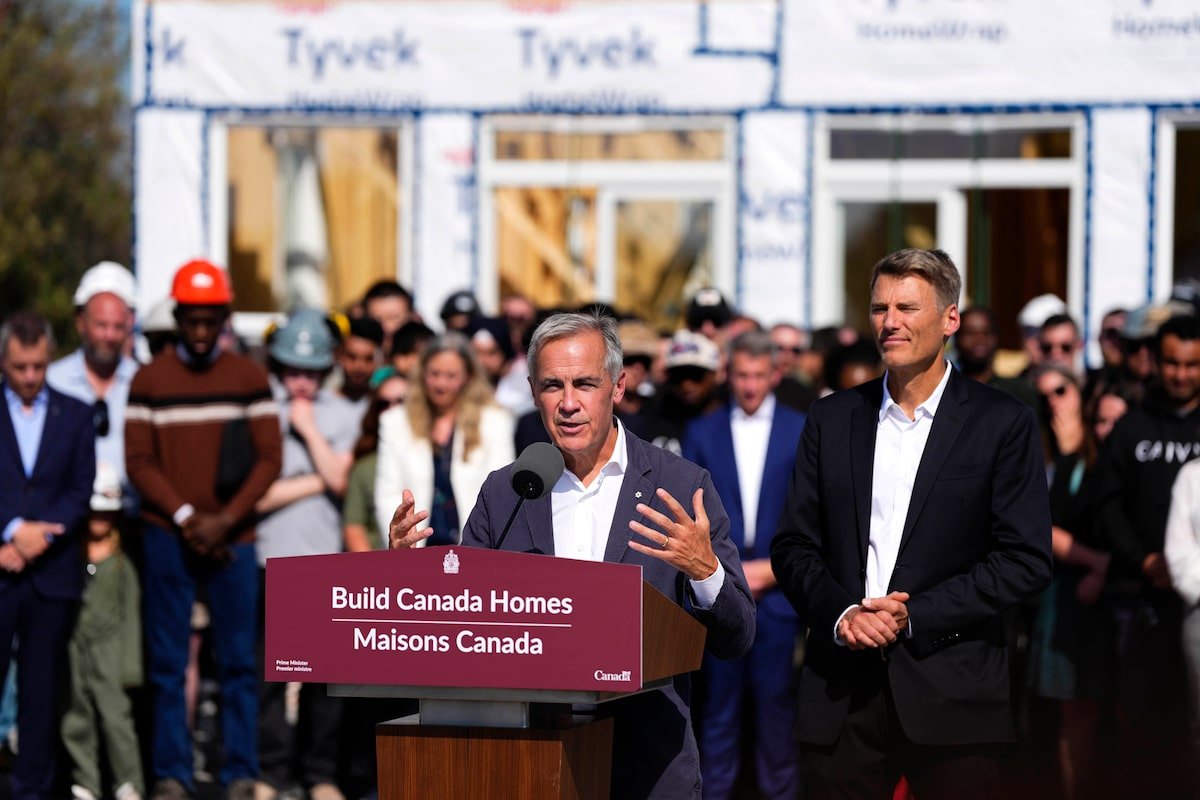
In September, Prime Minister Mark Carney launched the $13-billion Build Canada Homes (BCH) initiative, signaling a significant shift towards modern, factory-built housing in Canada. This program, set to produce an initial 4,000 homes across 88 federal sites, aims to leverage advanced construction methodologies like prefabs and mass timber to mitigate both costs and completion timelines. However, the announcement has left many stakeholders in the construction industry seeking clarity on operation specifics and their potential involvement in this burgeoning sector.
Factory-built housing is being promoted as a solution to the construction industry’s chronic inefficiencies, including high costs, extensive delays, and considerable waste. By utilizing partially preassembled components fabricated in climate-controlled factories, proponents suggest that BCH could substantially enhance productivity while reducing environmental footprints. Historical evidence from the COVID-19 pandemic’s Rapid Housing Initiative, which mostly employed modular construction, suggests both promise and caution, as some projects faltered in delivering projected financial savings.
As BCH prepares to undertake this housing project, several operational questions remain unresolved. Notably, it is unclear whether BCH will directly procure prefabricated parts from Canada’s emergent modular industry or if they will collaborate with private developers who may source locally produced materials. This distinction is critical, as it raises the question of whether the initiative will primarily function to stimulate demand for Canadian building materials or to generate a sustainable market for modular manufacturers.
Industry experts like Brandon Searle of the University of New Brunswick emphasize the importance of aligning market conditions, including the development of specialized financing products for factory-built housing. These adjustments are vital to ensuring that modular firms can invest confidently in capital-intensive automation and expansion. The prospect of a steady demand stream can also ameliorate risks, making the modular prefabrication industry more viable in the long run.
Additionally, the BCH’s strategic framework remains a work in progress, with potential operational models ranging from public land development via private contractors to more autonomous municipal project executions. The approach adopted could significantly influence BCH’s efficiency and effectiveness, especially regarding the sourcing of materials and project scalability.
In conclusion, the Build Canada Homes initiative represents a transformative opportunity for the housing sector and the modular construction industry. However, the successful execution hinges on the government’s ability to foster collaboration, establish clear operational guidelines, and cultivate a robust market for prefabricated products and materials. As details are refined, both the construction industry and potential residents await the tangible outcomes of this ambitious program.
📋 Article Summary
- Prime Minister Mark Carney launched the $13-billion Build Canada Homes program to construct 4,000 modular homes using modern construction methods, aiming to reduce costs and completion times.
- The initiative is focused on utilizing factory-built housing to address affordability for low- and middle-income households across Canada.
- There’s uncertainty regarding whether the new agency, Build Canada Homes, will directly source from modular builders or work with developers who will do so.
- Industry leaders emphasize the need for a stable demand for modular housing to encourage investments in the Canadian prefab sector, as well as a potential $1-billion fund to support capacity building.
🏗️ Impact for Construction Professionals
The launch of the Build Canada Homes program presents significant business opportunities for construction professionals. Owners and project managers should consider integrating modular and prefab building techniques to reduce costs and improve project timelines. This initiative promotes innovative construction methods, potentially increasing demand for materials and services in this segment.
Professionals need to stay informed about the program’s specifics, particularly as the government plans to erect 4,000 homes. Engaging with the emerging modular market could lead to lucrative contracts. Firms that can pivot to include prefab components in their offerings stand to gain a competitive edge.
However, challenges may arise, such as securing partnerships with manufacturers or adapting to new supply chain dynamics. Professionals should proactively seek to foster relationships with modular firms and align their capabilities accordingly.
To leverage these developments, conduct market assessments, adjust business models to incorporate prefab strategies, and prepare for a potential influx of construction projects tied to the initiative. Incorporating these elements into strategic planning will be essential for staying ahead in this evolving landscape.
#Home #builders #anxious #details #Ottawas #prefab #policy #work

