
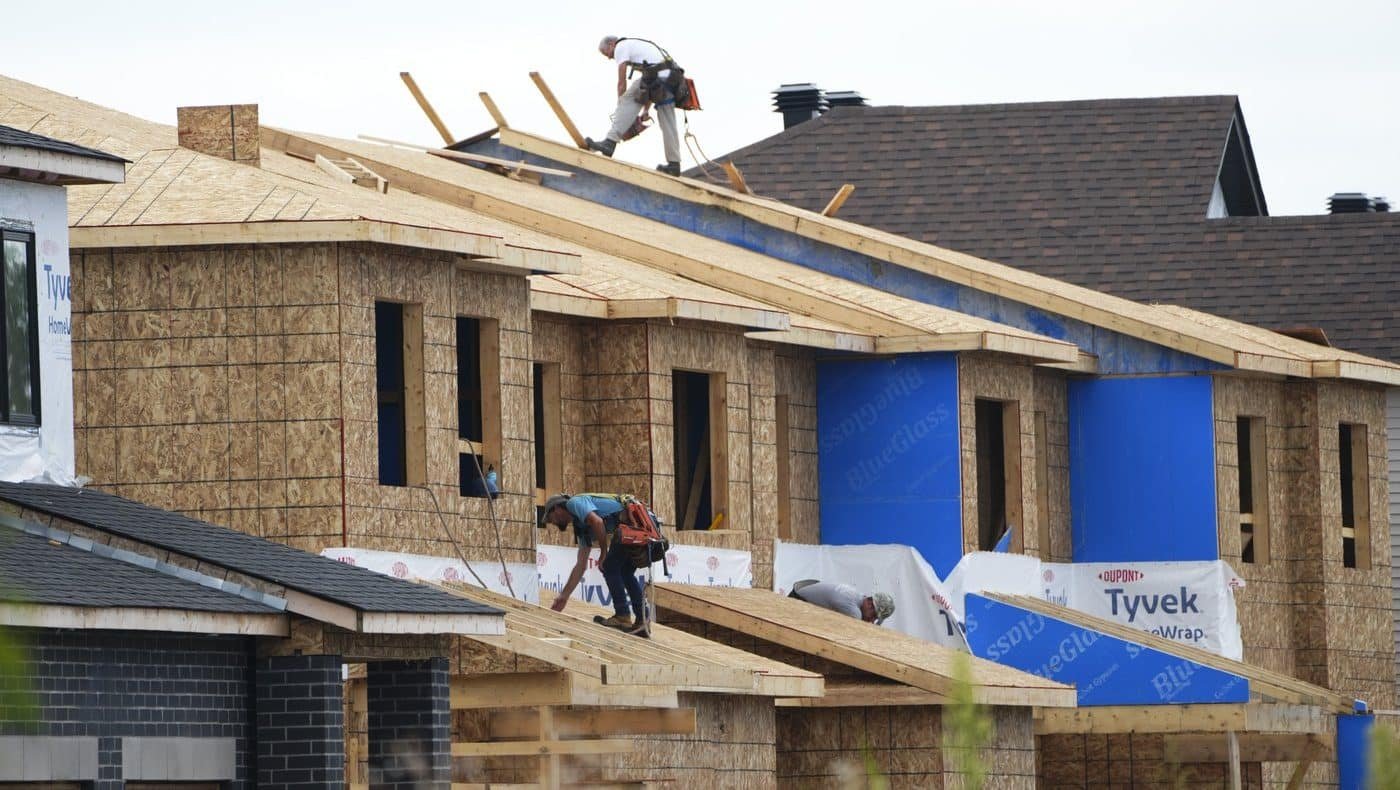
Ford Government and Federal Authorities to Halve Development Charges on New Homes to Boost Construction
Prime Minister Mark Carney and Ontario Premier Doug Ford are set to announce a significant policy shift aimed at revitalizing the province’s housing market. The forthcoming agreement will propose a reduction of municipal development charges (DCs) on new homes by up to 50%, a measure intended to stimulate construction and ease the financial burden on prospective homebuyers. This initiative, which will be unveiled at an event in the Greater Toronto Area, follows recent collaborations between federal and provincial governments to assist first-time homebuyers.
Development charges are critical fees imposed by municipalities that often contribute tens of thousands of dollars to the cost of building new homes. While these charges are designed to offset the expenses associated with infrastructure development—such as roads, sewage systems, and public services—they are increasingly viewed as barriers to affordable housing. The federal government has been pressured to act decisively to lower housing costs as rising prices have disproportionately affected new entrants to the market.
The proposed reduction aligns with the goals of the Build Communities Strong Fund, announced last November, which allocates $51 billion over the next decade for local infrastructure projects. This fund will provide matching grants to Ontario, empowering municipalities to lower development charges without an immediate negative impact on their budget constraints. However, the implications of slashing these fees are complex. Municipal associations have cautioned that without these charges, funding for essential public services could dramatically decline, potentially necessitating a significant increase in property taxes for current homeowners. A report from the Association of Municipalities of Ontario indicated that homeowners might see a 20% increase in property taxes if development charges were eliminated altogether.
Premier Ford’s objective to construct 1.5 million homes within the next decade has been hindered by sluggish housing starts—a persistent issue prompting a downward revision of projections for the upcoming year. The anticipated announcement aims to address this stagnation, which could have far-reaching effects for both the construction industry and local communities reliant on property tax revenues.
In conclusion, while the move to reduce development charges may facilitate immediate affordability for homebuyers, it raises critical questions about the sustainability of municipal funding models and infrastructure development. Construction professionals must navigate these evolving dynamics carefully as the industry adapts to the legislative landscape, balancing the need for affordable housing with the economic realities of municipal finance. As this announcement unfolds, stakeholders will need to engage in dialogues to ensure that the ultimate goal of increasing housing availability does not compromise the quality of community infrastructure and services.
📋 Article Summary
- Prime Minister Mark Carney and Ontario Premier Doug Ford are set to announce a deal reducing municipal development charges on new homes by up to 50% to boost housing construction.
- This agreement follows a federal-provincial initiative to remove HST on the first $1 million of newly built homes, aimed at making housing more affordable.
- Development charges are crucial for municipalities to fund infrastructure and services, and significant cuts could lead to higher property taxes for existing homeowners.
- The federal funding for reducing these charges will come from the Build Communities Strong Fund, which allocates $51 billion over 10 years for local infrastructure support.
🏗️ Impact for Construction Professionals
The recent announcement by Prime Minister Mark Carney and Premier Doug Ford to cut municipal development charges by up to 50% presents both opportunities and challenges for construction professionals.
Opportunities: This reduction can significantly lower upfront costs for new projects, making them more financially viable. Construction company owners may find it easier to secure financing and attract investors, while project managers can expedite project approvals given lower fees.
Challenges: However, municipalities may raise property taxes to compensate for lost revenue, which could deter potential homebuyers, thus impacting demand.
Actionable Insights: Construction firms should analyze how these changes will affect their project pipelines. Adjust strategic plans to align with potentially increased demand, and consider engaging in discussions with local governments about how to mitigate impacts from rising property taxes.
Day-to-Day Implications: Firms should focus on optimizing their operations to complete more projects efficiently. This could mean investing in technology to streamline workflows or enhancing supply chain management to capitalize on upcoming construction opportunities. Prepare to pivot quickly as the market evolves in response to these policy changes.
#Ford #government #feds #cut #development #charges #homes #stimulate #builds

