
Federal Minister Declares Modular Homes as the Future of Housing in Nunavut
Overview of Advances in Prefabricated Housing in Nunavut
The federal government, led by Housing Minister Gregor Robertson, is advocating prefabricated construction as a pivotal solution for the housing crisis in Nunavut. During a recent visit to Iqaluit, Robertson emphasized that the integration of prefabricated homes into construction practices is not only a progressive trend globally, but it aligns with the urgent housing needs in Nunavut. Prefabrication, characterized by modular construction where components are manufactured in a distant factory and shipped for on-site assembly, is positioned as an efficient and expedient alternative to traditional building methods.
The ambitious plan includes a national goal of incorporating 5% of new housing units in Canada as prefabricated homes, with a more aggressive target of 30% specifically for Nunavut. This initiative aims to expedite the delivery of essential housing units to areas grappling with significant shortages. Currently, the federal government has allocated $250 million for this initiative, complemented by a further $230 million from the Government of Nunavut. These funds are part of the broader Build Canada Homes initiative, designed to facilitate the construction of 750 new homes in Nunavut over the next several years.
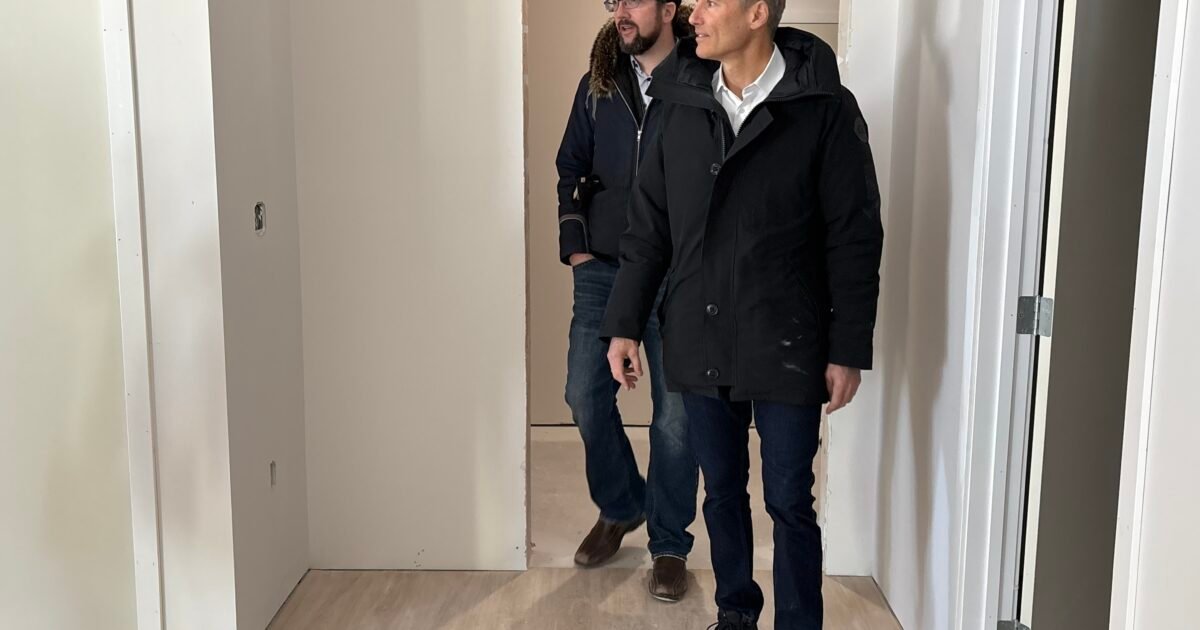
A notable project highlighted by Robertson is the nearing completion of a 46-unit apartment building on Palaugaa Drive, which exemplifies traditional construction timelines—taking approximately 10 months to build. This contrast underscores the potential time-saving benefits of modular construction, crucial for rapidly addressing the housing deficit in remote regions.
As prefabrication gains momentum, an innovative factory in Arviat, anticipated to produce 40 homes per year, will play a vital role in local supply chains, thereby reducing dependency on extended shipping times and costs associated with bringing materials from the south. This facility is the first of its kind in the region and signifies proactive steps toward not only meeting housing needs but also fostering local industry.
The implications of these developments extend beyond mere numbers. They represent a cornerstone in efforts to mitigate what is described as "the worst housing crisis in Canada," according to Nunavut MP Lori Idlout. The shift towards prefabricated homes could empower communities with a renewed sense of hope regarding homeownership and personal agency.
In conclusion, the strategic push towards prefabricated housing in Nunavut, aligning federal initiatives with local capabilities, presents a transformative opportunity to elevate living standards. As the construction industry adapts to these innovative practices, the broader goals of sustainable community development become increasingly attainable. Thus, the success of these initiatives will be crucial in reshaping the housing landscape in one of Canada’s most challenging regions.
📋 Article Summary
- Housing Minister Gregor Robertson advocates for prefabricated homes as the future of housing in Nunavut, aiming for 30% of new builds to utilize this method.
- The federal government plans for 5% of Canada’s new housing stock to be prefabricated, aligning with global construction trends.
- Under the Build Canada Homes initiative, funding is provided for 750 new homes in Nunavut, with support from the federal government and local authorities.
- A new modular homes factory in Arviat will produce 40 homes annually, further enhancing the region’s housing supply.
🏗️ Impact for Construction Professionals
The announcement of a push towards prefabricated homes in Nunavut presents both opportunities and challenges for construction professionals. Owners and project managers should consider the following actionable insights:
-
Embrace Modular Construction: Invest in or partner with modular manufacturers to streamline production processes. This can reduce construction times and costs, aligning with the government’s goal of increasing prefabricated home percentages.
-
Collaborate with Government Initiatives: Participate in programs like the Build Canada Homes initiative, which aims to deliver 750 new homes. Engaging with these projects can secure funding and support, enhancing business stability and market presence.
-
Meet Local Demand: As the federal government targets 30% of new homes in Nunavut to be prefabricated, local contractors can capitalize on this demand by establishing prefabrication facilities or forming partnerships with existing manufacturers.
- Enhance Efficiency: Incorporate lean construction techniques to optimize workflows. This shift not only improves cost-effectiveness but also aligns with the urgency of housing needs described by Nunavut’s representatives.
By proactively adapting to these changes, construction professionals can position their businesses for growth and better serve emerging housing demands in Nunavut.
#Modular #homes #future #Nunavut #housing #federal #minister

