
Edmonton Officials Commend Federal Budget’s Commitment to Infrastructure and Housing Funding
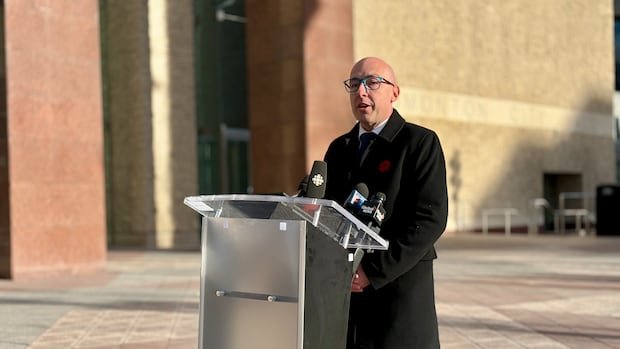
Edmonton’s infrastructure needs are at the forefront as Mayor Andrew Knack seeks clarity on how the recent federal budget, which includes a significant commitment of $141 billion in new spending—with $51 billion earmarked for infrastructure over the next decade—will address the city’s mounting demands. While the budget highlights essential public sector investments, Knack underscores the unpredictability of federal and provincial funding as a complicating factor in managing the city’s rapid population growth. Without stable funding channels, Edmonton struggles to deliver the quality of life demanded by its residents, particularly in sectors like fire safety, public transit, and recreational facilities.
The federal budget mentions Edmonton only in relation to specific community projects like funding for Rapid Fire Theatre and the Bissell Centre, prompting concerns about the broader infrastructure needs throughout the city. Heather Thomson, vice-president of economy and engagement for the Edmonton Chamber of Commerce, expressed optimism about the budget’s potential to stimulate economic growth, asserting that infrastructure will play a critical role in enhancing mobility for businesses and citizens alike. Notably, the call for increased affordable housing and improved public transport, including a connection from downtown Edmonton to the airport, reflects the diverse needs of a growing urban population.
However, the implementation of the Provincial Priorities Act poses new challenges by requiring provincial approval for federal funding agreements involving municipalities. This law aims to enhance provincial oversight but raises cautions about delays in project approvals and potential under-utilization of available funds. Critics, including former Calgary Mayor Naheed Nenshi, warn that this could result in missed opportunities for municipal development, highlighting a misalignment between local needs and provincial priorities.
Finance Minister Nate Horner contends that the legislation is not intended to obstruct funding but rather to ensure that it aligns with provincial goals. This tension between municipal urgency and provincial constraints could hinder timely responses to infrastructure challenges, as articulated by Mayor Knack, who insists on immediate action for essential projects.
As Edmonton navigates these layered complexities, the success of infrastructure development hinges on a cooperative federal-provincial-municipal framework. The city’s ability to engage in timely, impactful projects will ultimately rely on resolving the uncertainties surrounding funding and aligning stakeholder objectives to effectively address the demands of a rapidly expanding urban landscape.
📋 Article Summary
- Edmonton’s Mayor Andrew Knack expresses concern over unpredictable federal and provincial infrastructure funding, hindering the city’s ability to meet growing demands for essential services and facilities.
- The 2025 federal budget includes significant infrastructure investment, but specific allocations for Edmonton are minimal, raising questions about how they will address local needs.
- The Alberta government’s new Provincial Priorities Act complicates federal funding access, potentially delaying important municipal projects and affecting their execution.
- The Edmonton Chamber of Commerce supports the budget, emphasizing the necessity of infrastructure improvements for economic growth and efficient movement of goods and people.
🏗️ Impact for Construction Professionals
With the federal government’s proposed infrastructure budget, construction professionals in Edmonton should strategically assess how these developments can impact their businesses. Here’s what to consider:
-
Opportunities for Contracts: The $51 billion allocated for infrastructure means potential contracts for building and renovation projects. Stay informed about projects tied to new firehalls, recreation centers, and public transit systems. Explore bid opportunities for contracts that may arise.
-
Networking with Local Government: Engage with municipal leaders and agencies to understand priorities and establish relationships that could lead to future contracts. Attend city hall discussions or meetings to advocate for your services.
-
Adapting to Funding Changes: Know the implications of the Provincial Priorities Act, which requires provincial oversight on federal funding. Be prepared for possible delays in projects and ensure you can adapt project timelines accordingly.
-
Strategic Planning: Align your business development strategies with the demands for both sustainable construction, particularly in affordable housing, and infrastructure projects that support economic growth.
- Resource Allocation: Assess whether you need to adjust resources or workforce capacity in anticipation of increased demand from new infrastructure projects.
By proactively engaging with these developments, construction firms can position themselves favorably for emerging opportunities in Edmonton’s evolving landscape.
#Edmonton #leaders #praise #funding #infrastructure #housing #promised #federal #budget

