
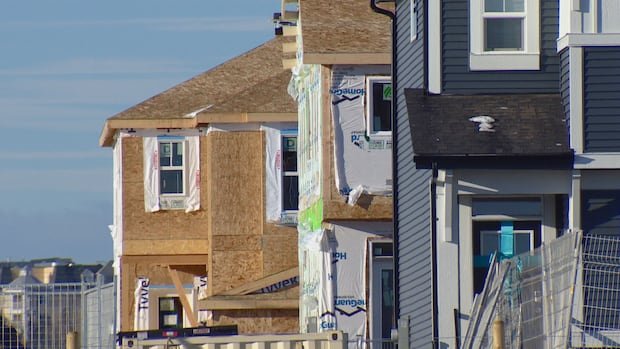
Construction Begins on Historic Number of Dwellings in Alberta in 2025
The construction sector in Alberta is witnessing unprecedented activity, with 2025 marking the highest number of housing starts recorded in the past 70 years, according to data from the Canada Mortgage and Housing Corporation (CMHC). The province reported nearly 54,900 housing starts last year, reflecting an increase of over 7,000 from 2024. Notably, approximately 70% of these projects were focused on multi-unit dwellings, such as rowhouses and apartments, catering to the growing demand in a rapidly expanding population.
The surge in construction is driven by Alberta’s impressive population growth, which Statistics Canada estimates to be nearly 598,000 individuals from 2021 to 2025. This growth, predominantly fueled by immigration and inter-provincial migration, points to a pressing need for housing solutions. The CMHC forecast suggests a critical shortfall of more than 3.5 million homes across Canada by 2030 to maintain 2004 affordability levels, and Alberta alone requires an additional 20,000 homes to align with current growth rates.
In response to these pressing demands, the Alberta government has implemented several initiatives aimed at streamlining construction processes. Updates to provincial building codes have been made, along with the reduction of bureaucratic hurdles that often delay projects. Local initiatives, such as the Housing Accelerator Fund by CMHC, aim to expedite the development of affordable and climate-resilient housing. Additionally, cities like Edmonton are amending bylaws to permit increased density, creating more opportunities for housing development.
Economist Mark Parsons of ATB Financial characterizes this activity as “catch-up construction,” emphasizing that while it is challenging to construct homes rapidly in response to a surge in migration, the increased output has been essential for maintaining housing affordability. However, he cautions that a slowdown in population growth may lead to a future dip in housing starts. The influx of new residents has resulted in a rise in rental options on the market, but with time, many of these individuals may aspire to transition into homeownership.
While the record number of housing starts is commendable, opposition critics highlight that this growth does little to address the pressing issue of low-income renters and those unable to afford market rates. The diverse implications of this construction boom underscore the necessity for proactive urban planning and housing policy adaptations in Alberta’s evolving landscape. Moving forward, it will be imperative for stakeholders in the construction sector to monitor not only the quantity of housing being built but also the types of housing developments that will best serve the community’s diverse needs.
📋 Article Summary
- Alberta experienced a record in housing starts in 2025, with nearly 54,900 new dwellings, primarily multiple-unit projects, responding to increased demand from population growth.
- The province’s population surged by nearly 598,000 from 2021 to 2025, predominantly due to immigration and internal migration.
- The Canada Mortgage and Housing Corporation emphasized the need for increased home construction, predicting a significant supply gap by 2030 if current trends continue.
- Opposition critics noted that while housing construction is up, it does not address the needs of low-income renters and those priced out of the market.
🏗️ Impact for Construction Professionals
The recent surge in construction starts in Alberta presents significant opportunities for construction company owners, project managers, and contractors. With nearly 54,900 new dwellings initiated in 2025, there’s a clear demand for increased housing.
Practical Business Implications: This uptick signals a robust market for multi-unit dwellings, indicating it’s critical to adjust your business focus toward these projects.
Opportunities: Construction professionals should leverage the current growth trajectory by bidding on new residential projects, especially given the government’s supportive measures like updated building codes and incentivized local initiatives through the Housing Accelerator Fund.
Challenges: However, anticipate potential supply chain issues and labor shortages as the demand rises. Proactively managing these challenges will be essential.
Actionable Insights: Begin by assessing your project pipeline against current trends—prioritize multi-unit developments, streamline operations to handle increased demand, and forge partnerships with local suppliers to ensure timely material availability.
Strategic Planning: Incorporate flexible resource allocation strategies into your business operations to swiftly adapt to fluctuations in project volume and focus on building durable relationships with clients to foster repeat business in this competitive environment.
#Construction #started #record #number #dwellings #Alberta

