
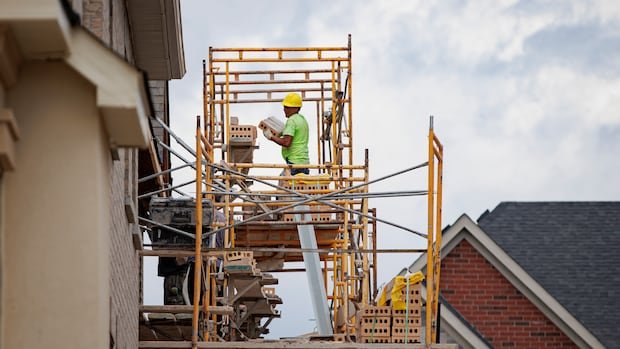
CMHC Reports 14% Increase in New Home Construction for September Compared to August
In a noteworthy surge for the Canadian construction sector, housing starts experienced a robust 14 percent increase in September compared to August, as reported by the Canada Mortgage and Housing Corporation (CMHC). The seasonally adjusted annualized rate reached 279,234 units, surpassing economists’ expectations, which had projected a rise to approximately 255,000 units. This uptick not only signifies a rebound in the housing market but also reflects a broader trend towards increasing construction activity across the country.
The significant rise in housing starts can largely be attributed to a surge in new builds within key provinces such as Ontario, Quebec, and the Prairie regions. CMHC’s deputy chief economist, Tania Bourassa-Ochoa, pointed out that major cities, including Montreal and Toronto, contributed over 25 percent of the national total in monthly starts, thanks to a notable escalation in the construction of rental apartments. This shift underscores a growing focus on rental accommodations as more Canadians opt for leasing rather than ownership, influenced possibly by economic uncertainties and prevailing high interest rates.
Moreover, the latest data shows that the annual pace of housing starts for urban areas with populations exceeding 10,000 rose to 254,345 in September, representing a 16 percent increase from the previous month. Rural housing starts were also notable, estimated at 24,889 units. Overall, the average housing starts over the past 12 months reached 256,000, indicating a significant recovery from earlier lows in the year. However, it is essential to acknowledge that housing starts are reflective of decisions made many months or even years prior, during periods of higher investor confidence, which may not currently prevail.
Robert Kavcic, a senior economist at BMO, emphasized that despite challenging resale market conditions, the housing sector demonstrates resilience. A vital observation is that rental construction is outpacing activities related to homeownership and condominiums combined, marking a shift in market demand dynamics.
In conclusion, while this increase in housing starts is promising for the construction industry, it is crucial for stakeholders to remain vigilant. The trend reflects a changing housing landscape, with an increasing focus on rental units in response to evolving market conditions. As investor sentiment remains cautious, future developments will likely hinge on macroeconomic factors, interest rates, and housing demand sustainability. The construction industry must continue to adapt to these changes to capitalize on emerging opportunities and meet the evolving needs of Canadians.
📋 Article Summary
- Canadian housing starts rose 14% in September, reaching an annualized rate of 279,234 units, significantly exceeding economists’ expectations of 255,000 units.
- The increase was largely driven by construction activity in Ontario, Quebec, and the Prairie provinces, with Montreal and Toronto accounting for over 25% of the total national starts.
- Current levels of housing starts reflect earlier decisions made during a period of higher investor confidence, despite ongoing difficult resale market conditions.
- Rentals are now leading the housing starts category, surpassing the combined activity of homeownership and condos.
🏗️ Impact for Construction Professionals
The recent 14% increase in Canadian housing starts signals a notable rebound in new home construction, presenting both opportunities and challenges for construction professionals.
Practical Business Implications: Construction companies should assess their capacity to scale operations, as demand for new builds, especially rentals, is on the rise. This surge could lead to increased project opportunities but also heightened competition.
Opportunities: Target segments in Ontario, Quebec, and the Prairie provinces where demand is robust. Focus on rental apartment developments, as they currently outperform homeownership projects.
Challenges: With investor confidence wavering, managing cash flow and securing financing could become critical.
Actionable Insights: Re-evaluate project pipelines to prioritize rental projects. Foster strategic partnerships with local developers and municipal agencies to capitalize on upcoming housing initiatives.
Impact on Day-to-Day Operations: This trend should inform workforce planning, resource allocation, and subcontractor relationships. Emphasizing agility in project execution will be vital to adapt to changing market dynamics. Regularly monitor economic indicators to anticipate fluctuations and adjust strategic plans accordingly.
#home #construction #September #previous #month #CMHC

