
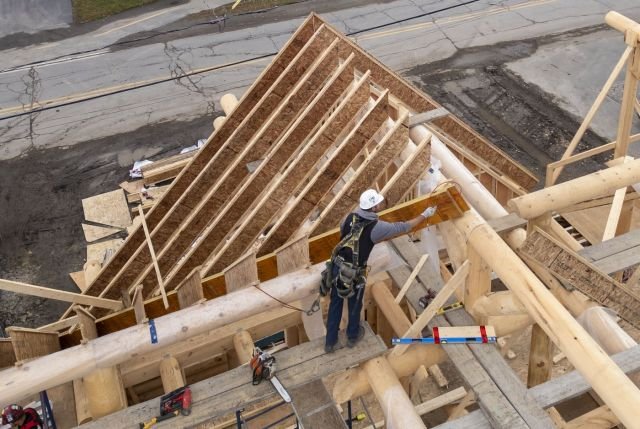
CMHC Indicates Continued Decline in Housing Starts with No Recovery in Sight
Housing Starts in Canada Experience Significant Decline: A Closer Look at Current Trends
The Canadian housing market is experiencing a noteworthy slowdown in construction activity, as highlighted by recent data from the Canada Mortgage and Housing Corporation (CMHC). According to a report released on February 16, 2026, the seasonally adjusted annual pace of housing starts plummeted by 15% in January, a concerning trend that has been echoed over the last several months. The CMHC’s six-month moving average also illustrates a decline of 3.5%, signaling ongoing challenges for the nation’s construction sector.
Market analysts have pointed to a confluence of factors contributing to this decline. CMHC’s deputy chief economist, Tania Bourassa-Ochoa, indicated that trade and geopolitical uncertainties, soaring construction costs, fluctuating demand, and increasing inventory levels are all exerting pressure on developers. Furthermore, lower immigration rates and economic apprehensions regarding shifting U.S. trade policies have dampened the potential for a swift recovery in housing starts. The January data revealed that the annualized housing start rate dropped to 238,049 units from 280,668 in December, effectively negating any short-lived gains from the previous month.
Despite this downturn, there is a glimmer of hope; actual housing starts rose by 1% year-over-year in urban centers with populations exceeding 10,000. A total of 16,088 units were recorded in January, reflecting a slight increase from the 15,957 units initiated the previous year. This suggests a marginal resilience in certain demographics as builders seek to capitalize on consistent demand.
Looking ahead, the implications of these trends are significant for both policy makers and industry stakeholders. Prime Minister Mark Carney’s objective to double housing construction to 500,000 homes annually over a decade now appears increasingly ambitious against this backdrop. Compounded by the recent launch of Build Canada Homes—an initiative backed by an initial $13 billion aimed at accelerating construction—industry leaders will be scrutinizing its effectiveness in countering current headwinds.
As Canada contends with these construction challenges, the importance of adaptable strategies and informed policymaking becomes clear. Stakeholders must navigate this complex landscape with an eye toward fostering sustainable demand while managing costs and risks. Although a near-term uptick in housing starts seems unlikely, the industry’s ability to innovate and respond to changing dynamics will be crucial in shaping the future of Canada’s housing market.
📋 Article Summary
- Housing starts in Canada dropped 15% in January, marking a continued decline without signs of recovery, according to the Canada Mortgage and Housing Corp. (CMHC).
- The six-month moving average also fell by 3.5%, with a decrease noted for the fourth consecutive month.
- Contributing factors include geopolitical uncertainty, high construction costs, and weaker demand, resulting in constrained developer activity.
- Despite a slight year-over-year increase in housing starts in larger centers, the overall outlook for new construction remains pessimistic.
🏗️ Impact for Construction Professionals
The recent decline in housing starts in Canada presents both challenges and opportunities for construction professionals. First, owners and project managers should reassess project pipelines and focus on enhancing efficiency to mitigate tightening margins due to high construction costs and slower demand. Consider diversifying project types or specializing in affordable housing, as demand may shift in response to economic uncertainty.
Communication with clients is crucial; keep them informed about project timelines and potential delays. High inventories could lead to price adjustments; staying agile will help you adapt pricing strategies effectively.
Additionally, explore partnerships with the newly launched Build Canada Homes agency, leveraging available funding to secure contracts. This could expand your project portfolio and maintain cash flow during periods of reduced activity.
In strategic planning, prioritize data analytics to forecast market shifts and align resources better. Developing a strong network can also facilitate collaboration on larger projects, which may offset the current decline. Staying proactive and adaptive will be key to navigating this challenging landscape and achieving sustainable growth.
#CMHC #reports #slowing #housing #starts #turnaround #sight

