
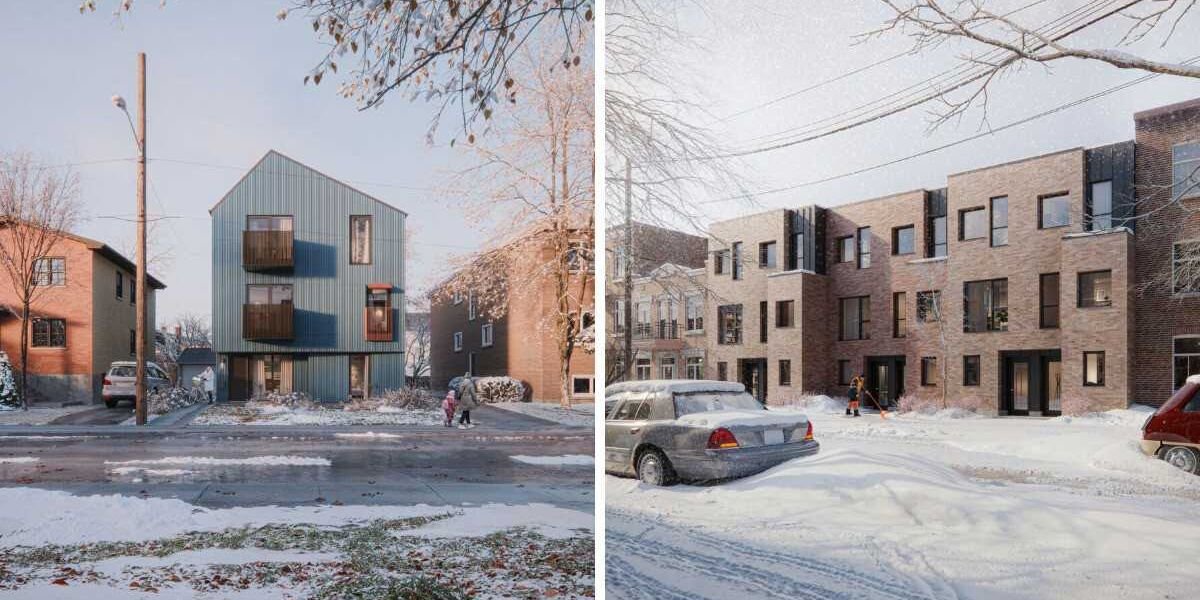
Carney Unveils New Housing Plan That Has People Comparing It to North Korea
Overview of Canada’s New Housing Design Catalogue Initiative
Prime Minister Mark Carney recently announced the launch of Canada’s "Housing Design Catalogue," a federal initiative designed to expedite the construction of new housing by providing 50 pre-approved architectural designs. This move comes in response to the ongoing housing crisis characterized by affordability issues and supply constraints that have left many Canadians frustrated and priced out of the market. The catalogue aims to streamline municipal approval processes while also addressing the pressing need for diverse and affordable housing options.
The Housing Design Catalogue is a modern revival of a concept first introduced in the post-World War II era, when standardized home designs were created to facilitate rapid construction. By offering a collection of blueprints for row houses, multiplexes, and accessory dwelling units (ADUs), the initiative intends to reduce bureaucratic delays and cut costs associated with getting new builds off the ground. According to the Canadian Mortgage and Housing Corporation (CMHC), this catalog focuses on "missing middle" housing—options that bridge the gap between single-family homes and high-rise condos, ultimately promoting greater density in existing urban areas.
Reactions on social media have been mixed, with many critics highlighting the designs’ stark, boxy aesthetics that some have likened to military barracks or even garden sheds. Detractors argue that these architectural choices represent a lowering of expectations amid a significant housing crisis. Notably, the smallest units range from 493 to 1,000 square feet, often lacking features like garages or basements—qualities that are traditionally considered desirable in Canadian housing.
Nonetheless, proponents of the initiative argue that the standardized plans could lead to substantial time and cost savings for builders. By offering ready-made designs tailored to regional building codes and climate considerations, the government hopes to facilitate faster housing development without compromising on essential standards. Critics may question the overall architectural merit, but the underlying goal of increasing housing supply aligns with broader government objectives.
In summary, while the Housing Design Catalogue may not be winning any design awards, its implications are significant. By aiming to cut through regulatory red tape and offering practical solutions to the housing crisis, the initiative has the potential to expedite the construction of much-needed housing options in Canada. As municipalities consider integrating these designs into their planning processes, the real-world impact of this initiative will be closely observed by industry stakeholders, policymakers, and prospective homeowners alike.
📋 Article Summary
- Prime Minister Mark Carney unveiled Canada’s "Housing Design Catalogue," featuring 50 standardized home designs intended to expedite construction and address the housing crisis.
- The initiative aims to streamline municipal approvals and reduce housing supply issues by offering ready-to-use blueprints for different dwelling types.
- The catalogue’s announcement faced widespread criticism online, with users mocking the designs as overly simplistic and reminiscent of military or communist housing.
- Despite backlash, proponents argue that the standardized plans could save time and money for builders, and may help alleviate the housing shortage.
🏗️ Impact for Construction Professionals
The unveiling of Canada’s Housing Design Catalogue presents significant opportunities for construction professionals. By utilizing these 50 pre-approved designs, construction companies can streamline project timelines, reducing wait times for municipal approvals and minimizing red tape. This efficiency can lead to faster project turnover and increased profitability.
However, industry players must be prepared to address potential challenges, such as public skepticism regarding the aesthetic and functionality of the designs. Engaging in open dialogue with stakeholders—addressing concerns and promoting the benefits of standardized housing—will be essential.
Actionable insights include incorporating these designs into project proposals to capitalize on expedited approvals, thereby enhancing competitive advantage. Companies can also pivot marketing strategies to emphasize their ability to deliver affordable, efficient housing solutions, appealing to municipalities under pressure to meet housing targets.
Incorporating this initiative into strategic planning is critical; embracing the government’s push can position construction firms favorably in a rapidly evolving market, helping them meet demand while navigating the ongoing housing crisis effectively.
#Carney #launched #housing #plan #people #straight #North #Korea

