
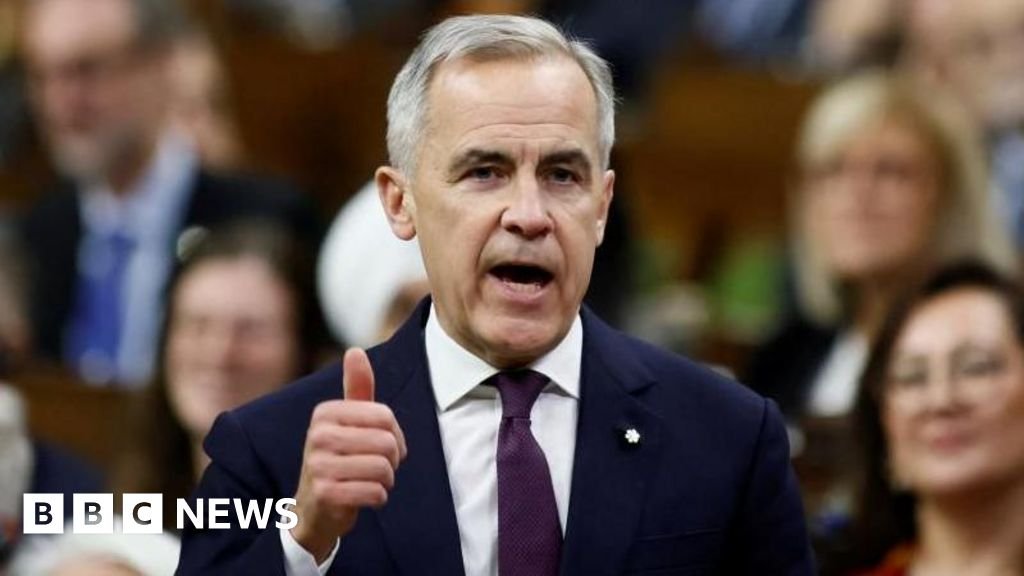
Canada’s Parliament Narrowly Approves Prime Minister Carney’s Initial Federal Budget
Canada’s Federal Budget: A Crucial Leap for Infrastructure Investment
Canada’s parliament has narrowly passed Prime Minister Mark Carney’s inaugural federal budget, thereby averting an early election for his minority Liberal government. This fiscal plan, which raises the deficit to a projected C$78 billion, marked the second-largest budget in Canadian history. The passage was facilitated by key support from opposition members, particularly from Green Party leader Elizabeth May, underscoring the budget’s political significance and the precarious nature of minority governance.
The budget proposes a significant C$140 billion in new spending over the next five years, aimed at bolstering Canada’s productivity and competitiveness. Of particular interest to the construction industry is the proposed allocation for upgrading trade infrastructure, including ports, with the ambitious goal of doubling exports to non-U.S. markets within the next decade. This initiative is critical for enhancing supply chain resilience and could foster long-term growth opportunities for construction firms engaged in infrastructure projects.
Despite the budget being hailed as a "generational investment" by Carney, it has faced spirited criticism from the opposition. Key figures, including Conservative leader Pierre Poilievre, branded it a "credit card budget" for not adequately addressing the pressing cost-of-living crisis. This critique reflects broader concerns within the industry and public about fiscal responsibility and issues such as affordability, which directly impact construction costs and housing prices.
The budget also includes measures to directly support businesses adversely affected by U.S. tariffs on Canadian goods, projecting potential private sector investments of C$1 trillion. However, a proposed 10% cut to the federal workforce has drawn backlash from public sector unions, cautioning that a leaner workforce may impede project execution timelines and government efficiency. This element of the budget could have a substantial impact on the availability of labor for critical infrastructure projects.
As the budget’s implications ripple through the construction industry, its passage indicates a commitment to infrastructural investment amid growing economic pressures. Construction professionals should monitor the unfolding political dynamics, including potential shifts in leadership and public sentiment toward fiscal policies, as these factors could influence project funding and regulatory timelines.
This budget represents a pivotal moment for Canada’s construction sector, balancing immediate economic needs with long-term infrastructure goals. The outcome of this fiscal plan may not only affect current projects but also set the trajectory for the industry’s growth in the years to come.
📋 Article Summary
- Canada’s parliament approved Prime Minister Mark Carney’s first federal budget, averting a potential early election for his minority Liberal government.
- The budget, which raises the deficit to C$78 billion, received vital support from opposition MPs, notably Green Party leader Elizabeth May, emphasizing climate commitments.
- Critics, including Conservative leader Pierre Poilievre, labeled the budget a "credit card budget," arguing it fails to address affordability concerns.
- The fiscal plan includes C$140 billion in new spending, aiming to bolster Canada’s economic productivity and competitiveness while proposing a 10% reduction in the federal workforce.
🏗️ Impact for Construction Professionals
The recent approval of Prime Minister Mark Carney’s federal budget, which allocates C$140 billion over the next five years, presents a significant opportunity for construction professionals. With funding targeted at updating trade infrastructure, there’s a direct implication for construction companies to bid on upcoming projects related to ports and other infrastructure enhancements.
Owners and project managers should closely monitor these initiatives, strategizing to position their firms favorably for government contracts. Networking with federal and provincial agencies can provide insights on project timelines and requirements.
However, the budget also includes plans to cut the federal workforce by 10%, potentially affecting public sector projects. This could slow project approvals, creating a challenge for timely execution.
To mitigate risks, firms should enhance their compliance and operational agility, preparing for potential delays in government-related work. Furthermore, aligning their bidding strategies with the budget’s focus—such as green technology investments—could open doors to specialized contracts. Developing partnerships with businesses aimed at securing C$1 trillion in private sector investment will be vital for future growth.
In summary, proactive engagement with new funding opportunities and responsive strategies will be key for capitalizing on the economic landscape set forth by this budget.
#Canadas #parliament #narrowly #approves #Prime #Minister #Carneys #federal #budget

