
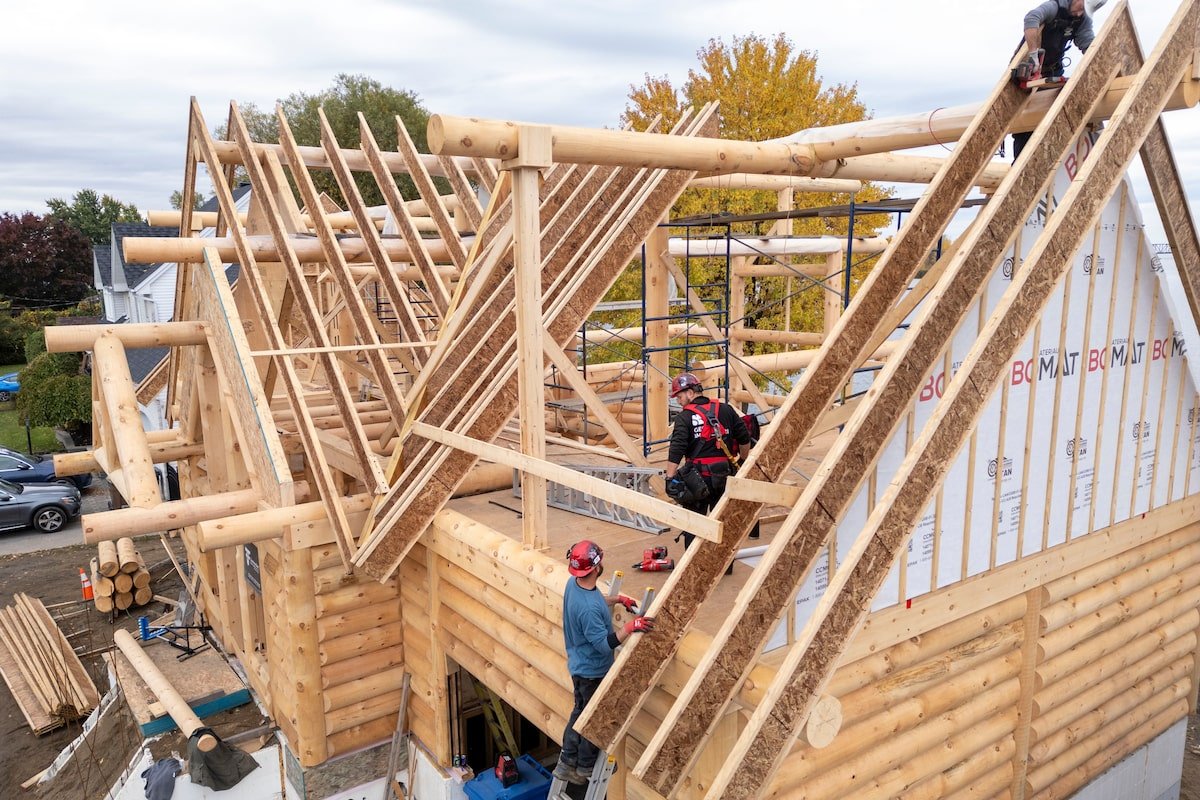
Canada Needs to Revitalize Its National Housing Strategy
In recent developments within Canada’s construction and housing landscape, the nation is grappling with a concerning trend of stagnant home prices that have persisted for three consecutive years. The Canadian Real Estate Association indicates a 1% decline in national home values from last year, with a larger 4% drop from the peak in 2022. Adjusted for inflation, current home prices resemble those of 2020, a period marked by an already challenging affordability crisis. This stagnation, while a minor relief, barely alleviates the significant affordability gap, particularly for young adults aspiring to homeownership.
The situation is further complicated by contrasting trends in provincial markets. While home prices in British Columbia and Ontario remain prohibitive, other provinces continue to see price increases, exacerbating the national housing affordability crisis. The need for a proactive approach has prompted calls for a renewal and enhancement of Canada’s National Housing Strategy (NHS), initially launched in 2017. Recent analyses from the Parliamentary Budget Officer reveal that federal housing spending is projected to plummet by 56% after 2027 absent a renewal, highlighting a precarious situation that could undermine ongoing efforts to address the housing crisis.
Notably, the rhetoric surrounding housing investments often falls short of reality, with recent pledges by Prime Minister Carney to double home construction looking increasingly unrealistic. According to the PBO, measures in the recent budget are expected to only yield a modest 2% increase in housing supply. This disconnect puts significant pressure on the upcoming NHS 2.0 to confront existing disparities and systemic challenges.
Policy experts underscore the necessity for an honest examination of intergenerational equity in housing. The rapid rise in property values has disproportionately benefited older homeowners while leaving Millennials and Gen Z with precarious financial situations marked by higher rents and mortgages. NHS 2.0 must grapple with these realities, calling for an open debate about housing price trajectories and their implications for market accessibility.
Additionally, the strategy should address the broken feedback loop between housing inflation and monetary policy. Current measures inadequately reflect the true cost of home acquisition, leading to distorted financial conditions. A refined approach focusing on market realities would allow monetary policies to stabilize rather than exacerbate housing inflation.
In conclusion, if the NHS 2.0 does not directly tackle the funding disparity between supporting senior homeowners and addressing the pressing needs of younger generations, the ongoing housing crisis may persist unmitigated. The time for decisive action is critical, not only for immediate solutions but for laying the groundwork for future generational equity within Canada’s housing market.
📋 Article Summary
- Canada has experienced three consecutive years of stagnant home prices, with current values about 1% lower than last year and 4% below their 2022 peak, returning to levels that many young adults still cannot afford.
- The current National Housing Strategy may see a significant decrease in federal funding after 2027, countering the government’s promises of robust housing investments.
- The next housing strategy must address the intergenerational tensions between older homeowners’ wealth and younger generations’ affordability needs, recognizing that rising home prices have disadvantaged millennials and Gen Z.
- Policy reforms should include a shift in how housing inflation is measured and potential taxes on higher-value homes to better support housing initiatives for younger Canadians.
🏗️ Impact for Construction Professionals
The recent report on home prices and the need to renew Canada’s National Housing Strategy poses both challenges and opportunities for construction professionals. As home prices have stabilized but remain high, there is an urgent demand for increased housing supply and affordability.
Practical Business Implications: Contractors and construction companies should prepare for potential government contracts and grants aimed at increasing affordable housing. Stay informed about funding opportunities linked to the renewed National Housing Strategy.
Opportunities: The push for a more robust housing strategy means more projects related to building affordable homes. Position your company as a key player by specializing in energy-efficient and cost-effective housing solutions that appeal to both public and private sectors.
Actionable Insights: Engage with local governments and housing advocacy groups to understand upcoming projects and zoning changes that could affect your work. Consider forming partnerships with other firms to share resources and expertise on large-scale developments.
Day-to-Day Operations: Plan for fluctuations in demand by maintaining flexible staffing solutions. Invest in training your team on sustainable building practices to meet rising regulatory standards and consumer preferences.
In summary, proactive engagement and strategic planning are crucial. Adapt your business model to align with evolving housing policies to stay competitive.
#Canada #renew #national #housing #strategy

