
Canada Initiates Task Force for the Lumber Industry
Task Force to Bolster Canada’s Softwood Lumber Sector Amidst Trade Challenges
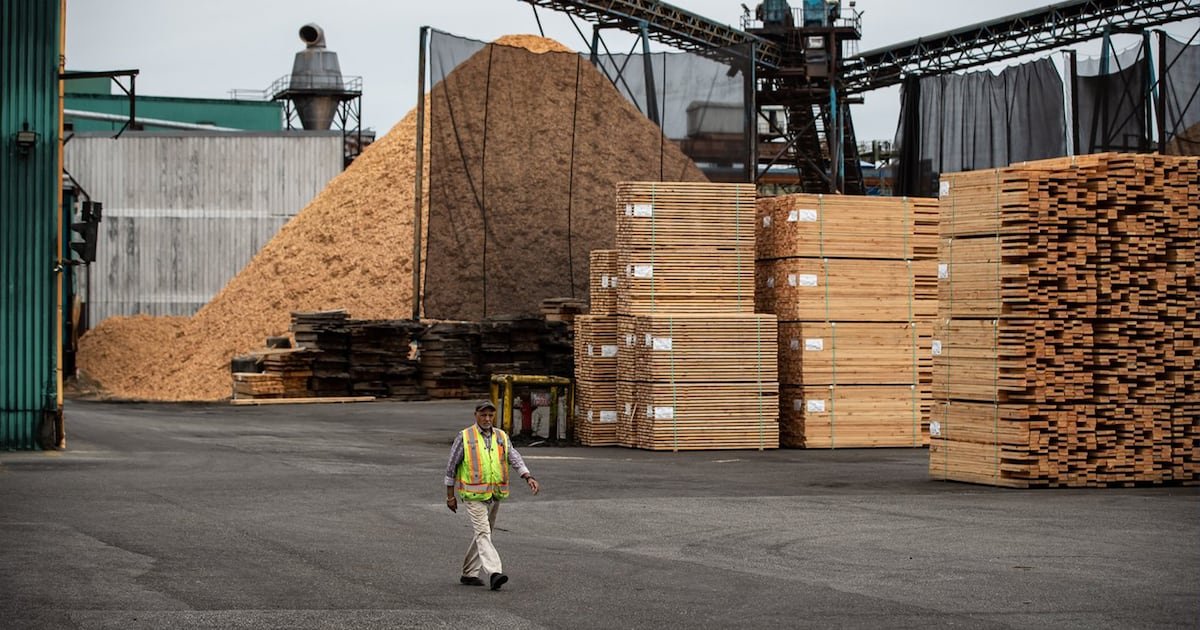
In response to escalating trade tensions, the Canadian government has initiated a task force aimed at strengthening its softwood lumber industry, which is grappling with substantial tariffs imposed by the United States. The softwood lumber market has faced a 45% tariff following complaints from American lumber companies about alleged unfair trade practices. This situation has resulted in operational slowdowns, job losses, and a growing demand for government intervention according to Minister of Energy and Natural Resources, Tim Hodgson.
The task force will collaborate with a wide array of stakeholders, including lumber companies, labor unions, and Indigenous leaders, to pinpoint and address the myriad challenges besetting the sector. Minister Hodgson expressed optimism, asserting that Canada can leverage this crisis as a catalyst for revitalization, stating, “We can be masters in our own house.”
Despite existing trade agreements, specifically the Canada-United States-Mexico Agreement (CUSMA), softwood lumber remains a contentious issue, complicating trade relations. The imposed tariffs have a detrimental impact not just on Canadian sawmills, but also on secondary manufacturers like cabinet makers, who are struggling under the weight of these financial burdens.
In a bid to mitigate these challenges, the Canadian government has introduced several strategic initiatives. The Green Construction through Wood (GCWood) program, which has invested over $9 million, aims to promote innovative Canadian wood products, including mass timber. Furthermore, the task force is expected to focus on addressing insurance barriers, developing a mass timber costing guide, advancing code changes for incorporating low-carbon materials, and enhancing wood construction education.
To support struggling softwood lumber companies, the government is injecting an additional $500 million into the existing Softwood Lumber Development Program, paving the way for government-backed loans. Hodgson emphasized the industry’s pivotal moment in adapting to the current mercantilist landscape characterized by increased protectionist measures from international trading partners.
In an effort to stimulate domestic demand, the newly implemented Buy Canadian policy aims to prioritize Canadian products and labor in federal procurement processes. This initiative, alongside the rollout of the Build Canada Homes program—which allocates $13 billion to increase affordable housing availability—signals significant opportunities for Canadian lumber products in local markets. Hodgson noted that these policies can generate substantial new demand for Canadian materials, asserting a strategic pivot towards bolstering domestic industry amidst external pressures.
As Canada braces itself against the complexities of international trade, these measures reflect a determined effort to not only protect but also innovate within the softwood lumber sector, reinforcing its critical role within the broader construction industry.
📋 Article Summary
- Canada is launching a task force to enhance the softwood lumber sector amidst high tariffs from the U.S., which now total 45%.
- The task force will collaborate with lumber companies, labor groups, and Indigenous leaders to tackle industry challenges and formulate new opportunities.
- Initiatives include a $9 million program for innovative wood products and a $1.2 billion commitment to support struggling lumber companies.
- The "Buy Canadian" policy aims to prioritize domestic lumber in federal procurement, fostering demand for Canadian timber products.
🏗️ Impact for Construction Professionals
The recent announcement about Canada launching a task force for the softwood lumber sector presents significant opportunities for construction professionals. Key implications include potential increases in domestic demand due to the "Buy Canadian" policy, which prioritizes local products in federal projects. This could create a more stable supply chain for lumber, directly benefiting construction companies that utilize Canadian wood products.
However, industry players should prepare for challenges surrounding tariffs, currently at 45%, affecting pricing and competitiveness in the U.S. market. To navigate this landscape, construction companies should:
-
Leverage Local Materials: Actively seek Canadian wood products to benefit from new government initiatives and enhance project bids.
-
Engage with the Task Force: Participate in discussions led by the task force to voice concerns and ensure their needs are met, influencing policy to their advantage.
- Strategic Planning: Adjust forecasting and budgeting to anticipate possible changes in material costs and project delays due to tariff impacts.
Proactively adapting to these developments will enable construction professionals to mitigate risks and capitalize on emerging opportunities.
#Canada #launches #task #force #lumber #sector

