
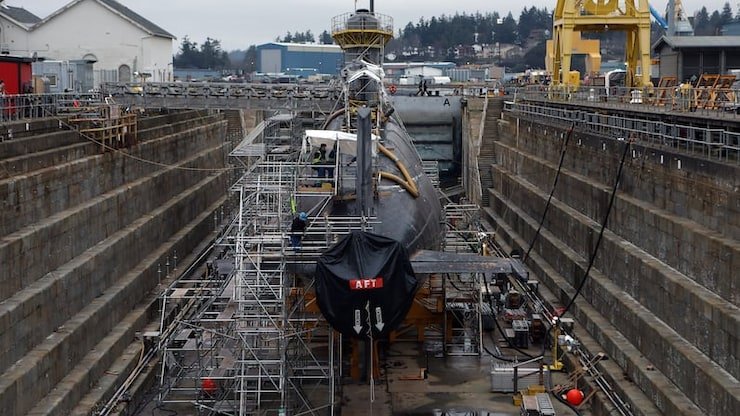
Canada Embraces ‘Build at Home’ Defence Strategy to Reclaim Sovereignty and Enhance Readiness
Canada’s newly unveiled defence industrial strategy sets a transformative agenda aimed at securing national self-sufficiency in military equipment manufacturing and serviceability over the next decade. The strategy is ambitious, establishing aspirational benchmarks including the allocation of 70% of federal defence contracts to domestic firms and increasing the operational readiness of military equipment across the navy, army, and air force.
At the heart of this strategy is a substantial financial commitment of $6.6 billion sourced from the broader $81.8 billion defence reinvestment plan. This funding is pivotal for enhancing Canada’s defence industrial capacity and ensuring that military requirements are met through local sources, which is especially crucial for national security. Notably, the proposal aims to elevate serviceability rates to 75% for naval ships, 80% for army vehicles, and 85% for air force aircraft, all of which currently suffer from outdated equipment and spare part shortages. These measures are not just about revitalizing the military; they aim to stimulate economic growth by creating an estimated 125,000 jobs by 2035, showcasing a dual focus on defence and economic prosperity.
The strategy adopts a “Build–Partner-Buy” procurement framework, emphasizing a reduction in reliance on foreign suppliers, particularly from the United States. Prime Minister Mark Carney’s assertion that “Canada cannot afford to outsource its national defence” underscores this shift towards achieving greater autonomy in defence capabilities. By fostering strategic partnerships with selected Canadian firms, the government aims to create “world-leading champions,” ensuring national control over critical intellectual property and technological capacities.
While the plan’s broad strokes highlight a commitment to building domestic capabilities, it also raises important questions. Critics, such as Wendy Gilmour, caution that there may be a tendency to prioritize industrial and economic agendas over essential military capabilities. The strategy’s vagueness in terms of specific sectors for sovereignty could risk diffusing focus away from building a robust military infrastructure.
In conclusion, Canada’s defence industrial strategy represents a significant pivot in national policy, intertwining military readiness with economic strategy. As it unfolds, the implications for the construction and related industries will be substantial, particularly in terms of new opportunities for local companies and the need for skilled labour. The path ahead will require careful balancing to ensure that enhanced military capabilities do not become secondary to economic interests, ensuring that Canada remains secure, self-sufficient, and competitive on the global stage.
📋 Article Summary
- Canada aims to award 70% of federal defense contracts to domestic firms within a decade as part of its new defense industrial strategy, responding to NATO’s calls for industrial clarity among allies.
- The strategy aims to improve equipment serviceability rates to 75% for navy ships, 80% for army vehicles, and 85% for air force planes, addressing current shortfalls.
- A $6.6 billion investment from Canada’s broader $81.8 billion defense reinvestment plan will focus on boosting defense-related R&D and increasing defense exports by 50%.
- The strategy emphasizes a "Build–Partner-Buy" procurement framework, promoting domestic production to reduce reliance on foreign suppliers, particularly the U.S.
🏗️ Impact for Construction Professionals
Canada’s new defense industrial strategy offers significant opportunities for construction company owners and professionals in the industry. With a focus on increasing domestic procurement—aiming for 70% of federal defense contracts awarded to Canadian firms—the construction sector can position itself to become a key player in military infrastructure projects.
Actionable Insights:
- Market Analysis: Conduct a thorough market analysis to identify potential defense-related projects, including infrastructure upgrades for military facilities.
- Partnerships: Establish partnerships with defense contractors or firms specializing in military construction. This could enhance your company’s profile and open doors to new contracts.
- Invest in Training: Upskill your workforce in areas relevant to defense projects, such as safety standards specific to military construction. This aligns with the government’s goals of increasing serviceability rates and improving operational readiness.
- Leverage Funding: Tap into the $6.6 billion earmarked for defense, exploring grant and contract opportunities available through government channels.
Challenges: Be aware of increased competition in this specialized market. Strategically, you’ll need to stay responsive to shifts in government priorities to align your project bids accordingly.
By adapting your business model to these new opportunities, you can position your company for significant growth in a burgeoning sector.
#Canada #bets #Build #Home #defence #strategy #reclaim #sovereignty #revive #readiness

