
Can the North American Housing Crisis Be Solved? Insights from Leading Firms – MIR
The North American housing crisis has escalated to alarming heights, driven by an unprecedented population surge, particularly in the wake of COVID-19. This influx, combined with severe housing shortages and external economic pressures, has led to a steep rise in home prices, with cities like Vancouver and Los Angeles reporting home price-to-income ratios as high as 13.5 and 10.7, respectively. The widening gap between wages and home prices has left many aspiring homeowners feeling disillusioned, questioning the viability of homeownership as a staple of the American and Canadian dream.
Government initiatives aimed at alleviating this crisis have largely fallen short. In Canada, the federal government launched a housing plan focused on increasing home supply, simplifying ownership processes, and supporting those unable to afford housing. However, reports from the parliamentary budget officer indicate that Canada may not be on track to meet its housing needs, projecting a decline in federal housing spending of over 50% in the coming years. Similarly, in the U.S., despite bipartisan interest in solving the housing crisis, no administration has successfully allocated the necessary resources to address the fundamental issue of insufficient housing supply, as evidenced by the lack of new homes built in key markets.
In this challenging landscape, innovative solutions are emerging. Canadian-based Sparrow and U.S.-based Fading West represent adaptive responses to the housing crisis. Sparrow utilizes a homesharing model to optimize existing housing stock, effectively addressing both housing unaffordability and social isolation. By connecting homeowners with renters seeking affordable accommodations, Sparrow aims to leverage the estimated 12 million empty bedrooms across Canada, fostering community connections while generating supplementary income for homeowners.
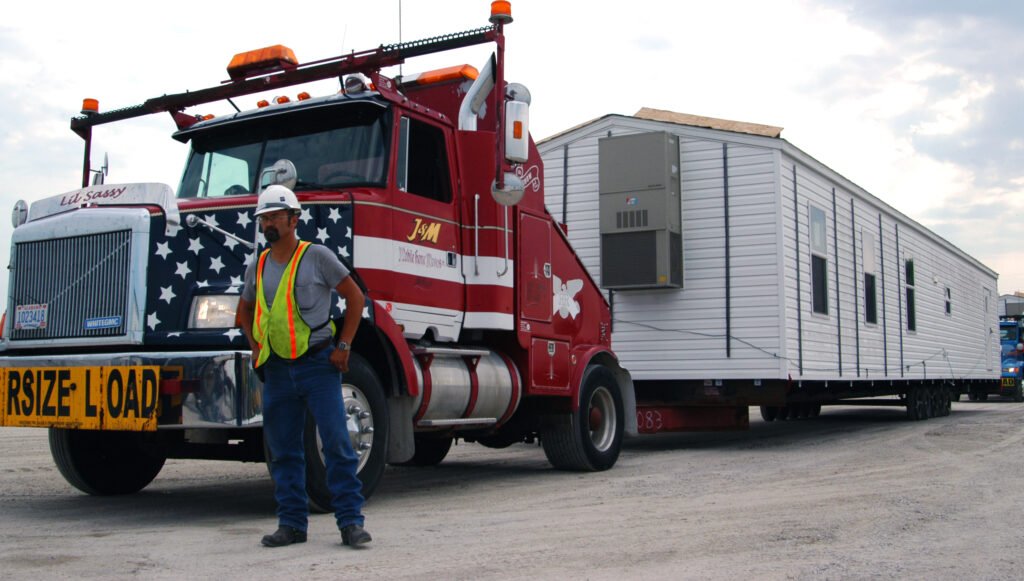
On the other hand, Fading West is revolutionizing home construction through modular building techniques. Their factory-based approach enables the rapid assembly of homes, reducing on-site waste and significantly lowering construction timelines to just eight days. This method not only enhances efficiency but also delivers cost-effective housing solutions, which is crucial in tightly constrained markets.
Both companies emphasize the necessity of ongoing government support to scale their models effectively. Sparrow’s establishment benefited from backing by the Canadian Mortgage and Housing Corporation, while Fading West highlights the importance of streamlined regulations and local policy alignment to facilitate modular construction.
In conclusion, as homeownership becomes increasingly elusive for millions in North America, innovative companies like Sparrow and Fading West represent a glimmer of hope. Their approaches could redefine the housing landscape, provided adequate governmental backing is secured to tackle local and systemic challenges. These pioneering efforts reflect a shift toward practical, scalable strategies that hold the potential to mitigate the ongoing housing crisis significantly.
📋 Article Summary
- Homeownership is increasingly unattainable for many adults in North America due to rising home prices, stagnant wages, and ineffective government initiatives to address housing shortages.
- Canadian cities like Vancouver and American cities like Los Angeles report alarming home price-to-income ratios, reflecting a growing affordability crisis.
- Innovative solutions from companies like Sparrow and Fading West aim to tackle housing issues through homesharing and modular construction, respectively, promoting affordability and efficiency.
- Both firms highlight the necessity of governmental support to scale their solutions and streamline housing development regulations effectively.
🏗️ Impact for Construction Professionals
The recent announcement on North America’s housing crisis highlights critical business implications for construction professionals. Opportunities arise from the shift toward innovative housing solutions, such as modular construction. Companies like Fading West are reducing building time and costs significantly; this presents a lucrative market for those willing to adapt. Contractors should consider investing in modular technologies to enhance efficiency and stay competitive.
However, challenges exist, particularly with varying building codes that could slow down project timelines. Professionals must advocate for regulations that support modular construction, streamlining compliance and speeding up the building process.
Actionable insights include: collaborating with innovative firms, participating in local and state housing initiatives, and utilizing government funding opportunities for affordable housing projects.
Incorporating these strategies into day-to-day operations can guide strategic planning, positioning your business as a leader in addressing housing shortages while capitalizing on a growing demand for efficiency and affordability in the construction industry.
#Overcome #North #American #Housing #Crisis #Firms #MIR

