
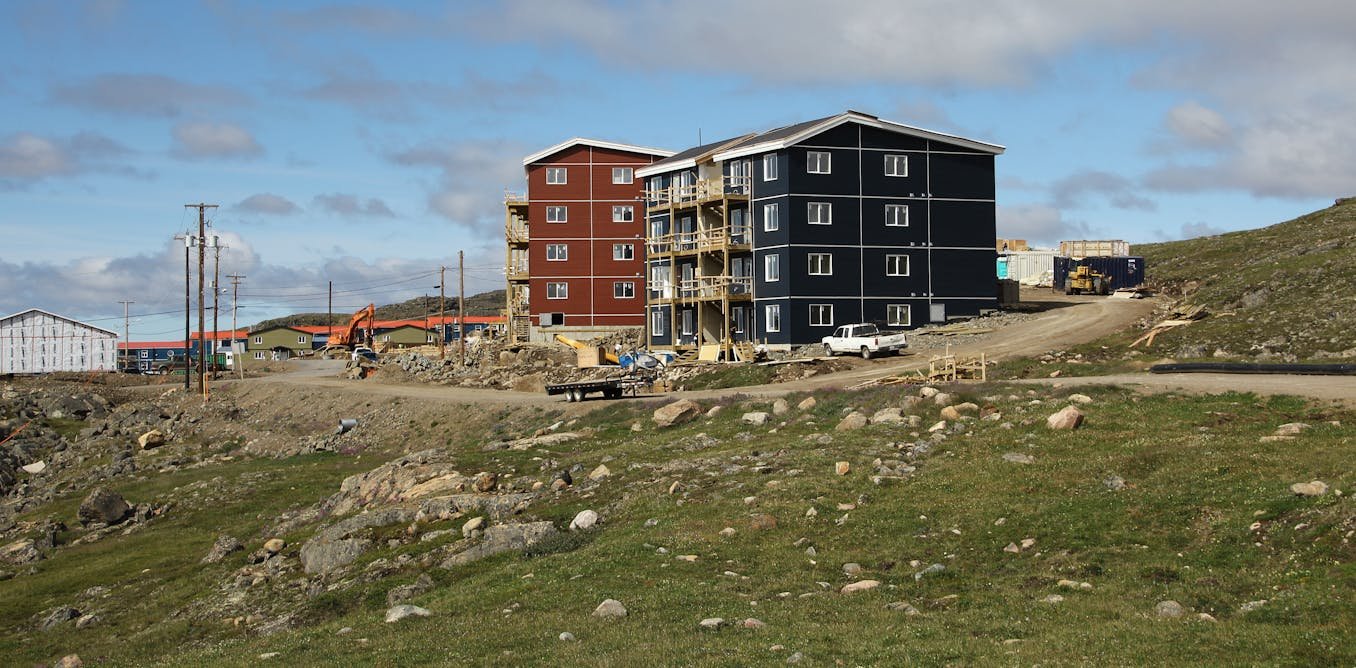
“Building Northern Housing as an Integrated Ecosystem — Designed by the North, for the North”
The newly initiated Build Canada Homes (BCH) program signifies the federal government’s most substantial commitment to developing affordable housing in Canada since World War II. With an allocation of $13 billion, the initiative aims to double the national output of housing, mirroring the ambitious post-war national housing strategy. Through this program, the government seeks not only to address the pressing housing crisis but also to bolster Canadian sovereignty amid escalating geopolitical tensions.
Central to the BCH initiative is the establishment of a national agency tasked with facilitating rapid construction on public land, utilizing innovative modular construction techniques, and fostering partnerships with private capital. This multifaceted approach endeavors to stimulate growth in affordable housing across the country. For many Canadians, these developments appear to be a timely and decisive response to ongoing housing challenges, particularly in a landscape characterized by volatile market conditions.
However, a crucial concern arises regarding the implications of past housing policies, especially in the North. Historical parallels between the current approach and post-war housing strategies warrant reflection. The rapid expansion of housing during the 1950s and 60s imposed fixed communities on Indigenous populations, disrupting traditional ways of life and resulting in ongoing health and economic challenges. Such forced relocations and the imposition of external governance structures contributed to a legacy of housing precarity that persists today.
As the North faces new challenges, including the impacts of climate change, the BCH initiative must pivot from short-term solutions toward sustainable, community-led approaches. A Northern Housing Ecosystem (NHE) model emphasizes interconnected systems of governance, economy, and social well-being, aligning with Indigenous-led housing innovations emerging across the region. This holistic framework promotes local control over housing design, construction, and maintenance, addressing the deficiencies of previous policies.
To facilitate a sustainable housing future in the North, BCH’s framework should prioritize community well-being over market-driven models. Essential principles include cultivating a northern housing economy that supports collective infrastructure and emphasizes local craftsmanship, thereby countering the dependency created by historical federal policies.
In conclusion, while the BCH initiative offers a significant infusion of resources aimed at tackling the housing crisis, it presents an opportunity to adopt a fundamentally different approach—a transformative vision of housing that is rooted in Indigenous expertise, sustainability, and community empowerment. This paradigm shift has the potential to create a resilient housing system capable of serving Northern communities for generations to come.
📋 Article Summary
- The Build Canada Homes (BCH) initiative, a $13 billion federal effort, aims to double Canada’s housing output to address the affordable housing crisis, drawing parallels to post-war national housing programs.
- The initiative includes the establishment of a new national agency, rapid construction on public land, and partnerships with private capital, but risks repeating historical mistakes if it doesn’t account for northern realities.
- Historical housing policies in the North imposed fixed communities and detached homes from Indigenous culture, leading to ongoing housing precarity.
- A Northern Housing Ecosystem (NHE) approach is needed, focusing on community-led strategies, local expertise, and climate-appropriate designs for sustainable housing solutions that empower Indigenous autonomy.
🏗️ Impact for Construction Professionals
The launch of the Build Canada Homes (BCH) initiative opens significant opportunities for construction professionals. With a $13 billion investment aimed at doubling affordable housing production, now is the time for companies in the construction sector to align their strategies with this national push.
Practical Business Implications:
-
Increased Demand: Anticipate a surge in residential projects. Position your company to bid on BCH-related developments and secure contracts.
-
Innovative Methods: Explore partnerships in modular construction and innovative building techniques. This could set your business apart and improve efficiency.
-
Local Collaboration: Engage with Indigenous communities to gain insights on sustainable building practices, which could bolster your proposals and enhance compliance with local needs.
- Training and Resources: Invest in training for your workforce to meet the evolving demands for sustainable construction and maintenance practices.
Potential Challenges:
Expect increased competition for contracts and possible supply chain disruptions. Build strong relationships with suppliers to mitigate risks.
Actionable Insights:
- Adjust your strategic planning to prioritize affordable housing projects.
- Strengthen community ties for long-term partnerships and local expertise integration.
- Include climate preparedness in project proposals to meet contemporary needs.
Overall, BCH represents a paradigm shift that requires swift adaptation and proactive engagement to capitalize on emerging opportunities.
#Northern #housing #built #integrated #ecosystem #North #North

