
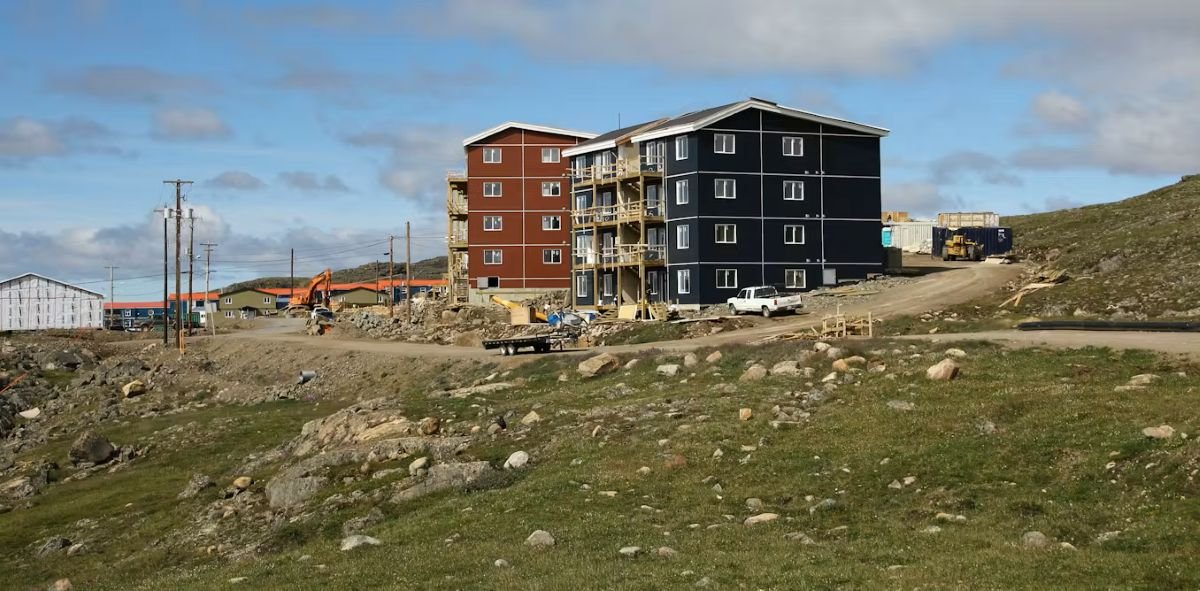
Building Northern Housing as a Self-Sustaining Community—by the North, for the North
Northern Housing Must Be Built as an Integrated Ecosystem
Recent discussions surrounding the construction of housing in Northern Canada emphasize a pivotal shift toward developing these structures as part of an integrated ecosystem, designed specifically "by the North, for the North." The urgency of this approach stems from the unique challenges faced by remote communities, where climate, accessibility, and local needs significantly differ from urban centers. This collaborative vision aims to create sustainable housing solutions that reflect both the culture and priorities of Indigenous and local populations.
Key developments in this initiative highlight the necessity for a nuanced understanding of local conditions. Housing policies from the post-war era serve as a reference point, urging stakeholders to consider historical parallels in addressing modern-day complexities. The report advocates for a holistic strategy that encompasses elements such as site selection, resource management, and community involvement throughout the design and construction phases. The essence of this project rests not only on erecting buildings but also on fostering an ecosystem that supports social and economic resilience.
Implied within this integrated approach is the expectation of leveraging local materials and labor, which can mitigate project costs and enhance community ownership. By involving local artisans and construction experts, the initiative aims to stimulate regional economies and preserve traditional knowledge, while simultaneously addressing the immediate housing crisis. A sustainable model would also necessitate innovations in energy efficiency, as extreme northern climates demand structures that are both resilient and environmentally adaptive.
The anticipated outcomes from this housing strategy are multi-faceted. At its core, the initiative seeks to improve living conditions and wellbeing for Northern residents, reducing the existing gap in housing adequacy. Additionally, exemplifying this integrated ecosystem could influence further policy developments, encouraging a paradigm shift in how housing is approached across Canada, especially in vulnerable and isolated communities.
As construction professionals, understanding the implications of this approach can better position stakeholders in responding to the evolving landscape of local needs and environmental considerations. The emphasis on a collaborative framework presents an opportunity for architects, builders, and policymakers to engage more effectively with Northern communities.
In conclusion, the call for an integrated ecosystem in Northern housing is not a mere trend but a necessary evolution in construction practices. By prioritizing local engagement and sustainable development, this initiative not only aims to provide adequate housing but also fosters a stronger, more resilient community fabric vital for future generations.
📋 Article Summary
- Housing in Northern regions should be developed as part of an integrated ecosystem that addresses local needs and conditions.
- Emphasizing collaboration with indigenous communities is essential for creating sustainable and culturally relevant housing solutions.
- The historical context of housing policy in the North reveals critical lessons that must inform present and future development strategies.
- Effective housing policies should prioritize accessibility, affordability, and resilience to climate change to foster community well-being.
🏗️ Impact for Construction Professionals
The recent emphasis on integrating northern housing as a cohesive ecosystem presents significant opportunities and challenges for construction professionals. Owners and project managers should pivot their strategies to prioritize sustainable practices and community engagement. This shift may require reevaluating supply chains to prioritize local materials and labor, fostering partnerships with indigenous communities, and understanding regional housing needs.
Professionals may face challenges related to resource allocation and potential delays in adopting new practices. However, by proactively investing in training and development focused on sustainability and community-oriented projects, companies can enhance their marketability and competitiveness.
Actionable insights include developing a robust project management plan that integrates sustainability goals, conducting local impact assessments, and engaging stakeholders early in the design process. Additionally, integrating technology for better resource management can streamline operations and reduce waste.
Incorporating these strategies not only aligns businesses with emerging trends but also resonates with a growing consumer preference for responsible construction, ultimately improving project outcomes and profitability.
#Northern #housing #built #integrated #ecosystem #North #theNorth

