
Building Canadian Homes: A Clearer Yet More Worrisome Perspective
The recent unveiling of the Investment Policy Framework for Build Canada Homes (BCH) crystallizes the initiative’s core mission: financing, constructing, and industrializing social and mixed-income housing on federal lands. With an emphasis on modern construction methods, the framework aims to tackle Canada’s pressing housing crisis, particularly the acute shortage of affordable homes. However, several concerns arise regarding its operational focus and potential regulatory hurdles.
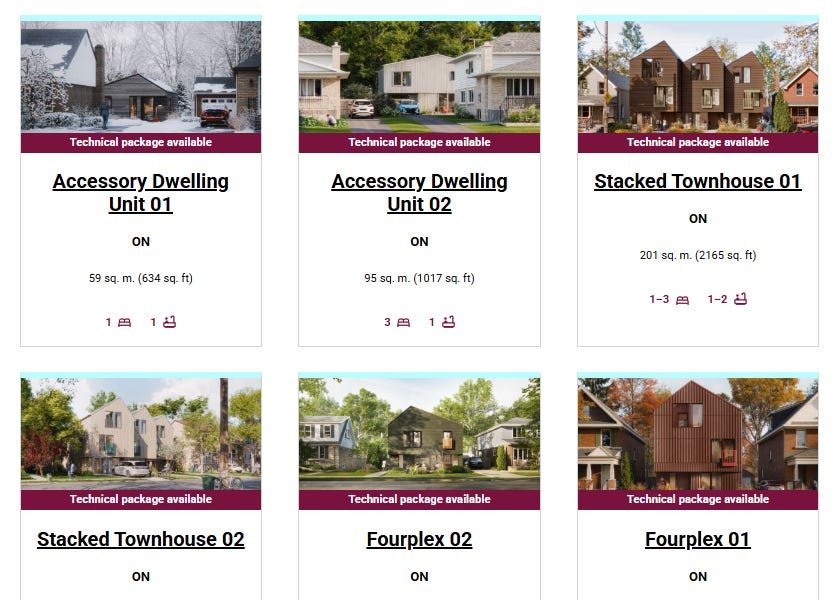
Central to BCH’s approach is its preference for small, low-rise homes, predominantly drawn from the Canada Mortgage and Housing Corporation (CMHC) Housing Design Catalogue, which features standardized designs emphasizing affordability and efficiency. While this strategy may streamline project delivery, it could inadvertently exacerbate Canada’s shortage of larger family-sized units. Notably, only a fraction of the designs accommodate three or more bedrooms, which is critical for meeting the needs of growing families.
The framework recognizes the necessity for modern construction practices yet points out a concerning lack of supporting tools to foster innovation. It primarily relies on procurement as a mechanism to push innovation and growth, potentially allowing promising construction technologies to languish within the “valley of death,” where innovations fail to progress from concept to deployment. This situation is worrisome for builders and developers who require a more comprehensive support structure that includes financial backing and regulatory reform to truly spur advancements in housing construction.
Moreover, regulatory barriers pose a significant challenge. The framework assumes that new technologies can be readily adopted once they achieve scale, but zoning and building codes still enforce outdated standards that could render innovative solutions illegal. For instance, advanced fire prevention systems or alternative building materials may be deemed non-compliant with existing regulations, stifling opportunities for innovation in new housing projects.
While BCH insists on a clear income-based definition of affordability, critics argue that the lack of specific federal objectives threatens to dilute its impact. The risk remains that funds allocated to well-intentioned projects may yield minimal benefit if not strategically targeted. The prevailing sentiment in the industry suggests that a robust, cohesive strategy is crucial to improve housing affordability and effectively alleviate homelessness in Canada.
In conclusion, the Investment Policy Framework for Build Canada Homes reflects a significant attempt to address housing needs through innovation and modern methods of construction. However, the ultimate effectiveness of this initiative hinges on overcoming regulatory barriers and ensuring that the program’s objectives are distinctly aligned with Canada’s broader housing policy goals. As the framework unfolds, active discussions among stakeholders will be essential to refine its implementation and maximize its potential benefits to the industry and the communities it seeks to serve.
📋 Article Summary
-
Clear Purpose of BCH: Build Canada Homes (BCH) aims to finance, build, and industrialize social and mixed-income housing using modern construction methods, primarily on federal lands.
-
Design Limitations: BCH favors small, low-rise homes with standardized designs, risking a shortage of larger family-sized units vital for addressing Canada’s housing needs.
-
Innovation Challenges: The new framework acknowledges the need for modern construction but lacks comprehensive support mechanisms, potentially leaving innovative technologies stalled in a "valley of death."
- Regulatory Barriers: Existing zoning and building codes may hinder the adoption of new technologies, complicating BCH’s goals of increasing housing supply and affordability.
🏗️ Impact for Construction Professionals
The Build Canada Homes (BCH) Investment Policy Framework presents both opportunities and challenges for construction professionals. Owners and project managers should pivot their strategies to align with BCH’s focus on social and mixed-income housing. Consider integrating modern construction methods like factory-built housing and mass timber, as these are prioritized in BCH projects. This could enhance your competitive edge and open new avenues for contracts.
However, the emphasis on small, low-rise designs might mean fewer opportunities for larger residential projects, especially family-sized units. Be proactive in addressing the growing demand for three-bedroom homes to capture untapped markets.
Take advantage of the procurement process by forming partnerships with non-profits and Indigenous groups, which can increase your project approvals. Stay updated on potential regulatory barriers—understanding local zoning and building codes will be essential as they can hinder innovative construction methods.
Finally, invest in training and resources to adopt these modern techniques now, positioning your business for future projects and compliance with evolving standards. Engage with government resources to navigate available funding and broaden your development capabilities.
#Build #Canada #Homes #Clearer..

