
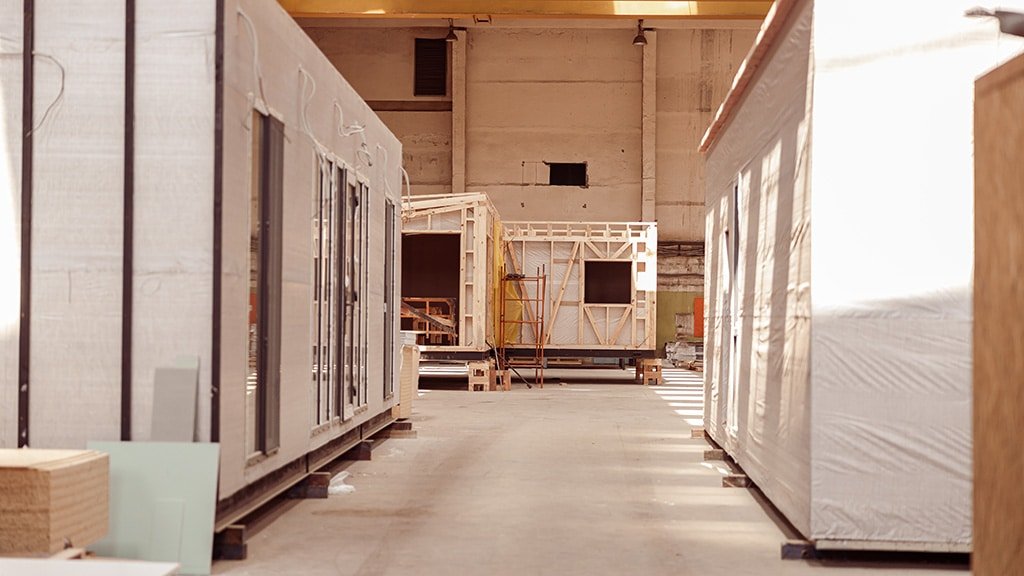
Build Canada Homes Requests Information on ‘Modern Construction Methods’
Overview of Canada’s Push for Modern Methods of Construction in Housing
In a strategic move to address the escalating housing crisis across Canada, the federal government has initiated the Build Canada Homes (BCH) program, with a specific focus on championing Modern Methods of Construction (MMC). This initiative highlights innovative building techniques such as modular, factory-built, and prefabricated systems designed to streamline construction processes, reduce project costs, and expedite delivery timelines. By leveraging these methods, the government aims to increase housing availability while maintaining quality and sustainability.
The recently released Request for Information (RFI) invites Canadian firms specializing in MMC to contribute their insights on current capabilities, business models, and effective delivery approaches. This step not only opens a channel for industry leaders to share their expertise but also underscores the government’s commitment to integrating modern construction solutions into its housing strategy. Firms ranging from volumetric modular builders to panelized system manufacturers and design-build companies are encouraged to participate in this initiative.
The RFI is a critical component of BCH’s strategic framework, as responses will directly influence the upcoming prequalification process for MMC firms. This will help identify high-potential companies capable of delivering housing at scale, ultimately supporting the government’s objective to enhance the availability and affordability of homes across the nation. However, it is essential to note that participating in the RFI does not guarantee future contracts, emphasizing the competitive nature of this endeavor.
The implications of this initiative are profound. By focusing on MMC, the government not only aims to mitigate the immediate housing shortage but also to foster a more sustainable construction ecosystem. The integration of innovative construction methods can significantly reduce material waste and energy consumption, aligning with wider environmental goals. Furthermore, the RFI serves as a foundational step towards creating a public directory of MMC firms, thereby raising awareness of the sector’s capabilities. This exposure could lead to increased collaboration and investment in modern construction techniques, ultimately driving industry growth.
As the submission deadline approaches on March 5, the construction community must prepare to engage in this pivotal opportunity. The successful adoption of MMC could redefine housing development in Canada, making it more responsive to the evolving needs of society. This initiative not only represents a response to a pressing crisis but also sets the stage for transformative change within the construction landscape, ensuring that the industry remains resilient and innovative in the face of future challenges.
📋 Article Summary
- The federal government’s Build Canada Homes (BCH) initiative aims to tackle the housing crisis by promoting Modern Methods of Construction (MMC), such as modular and factory-built systems.
- An open Request for Information (RFI) has been launched to gather insights from Canadian firms specializing in MMC to enhance building efficiency and reduce costs.
- Responses will help shape BCH’s upcoming prequalification process and identify promising MMC firms for future housing projects, although participation does not guarantee work.
- Firms encouraged to respond include volumetric modular builders and design-build firms, with a submission deadline of March 5.
🏗️ Impact for Construction Professionals
The federal government’s push for Modern Methods of Construction (MMC) presents a valuable opportunity for construction professionals to innovate and grow. Owners and project managers should consider participating in the Request for Information (RFI), as this engagement can place their firms on the government’s radar for upcoming housing projects, potentially leading to lucrative contracts.
Business Implications: Embracing MMC can streamline your construction processes, reducing costs and accelerating delivery timelines—essential for increasing competitiveness in today’s market.
Opportunities and Challenges: While the RFI offers a pathway to government contracts, there may be challenges in adapting to new technologies and building methods. Companies need to assess their current capabilities against MMC standards to remain relevant.
Actionable Insights: Register as part of the public directory of MMC firms to enhance visibility. Leverage the feedback from the RFI to pivot business strategies towards innovative construction practices.
Impact on Operations: Integrating MMC could require training staff and investing in new technologies, but it can also lead to more efficient project management and execution, ultimately shaping your strategic planning for future growth.
#Build #Canada #Homes #issues #RFI #modern #methods #construction

