
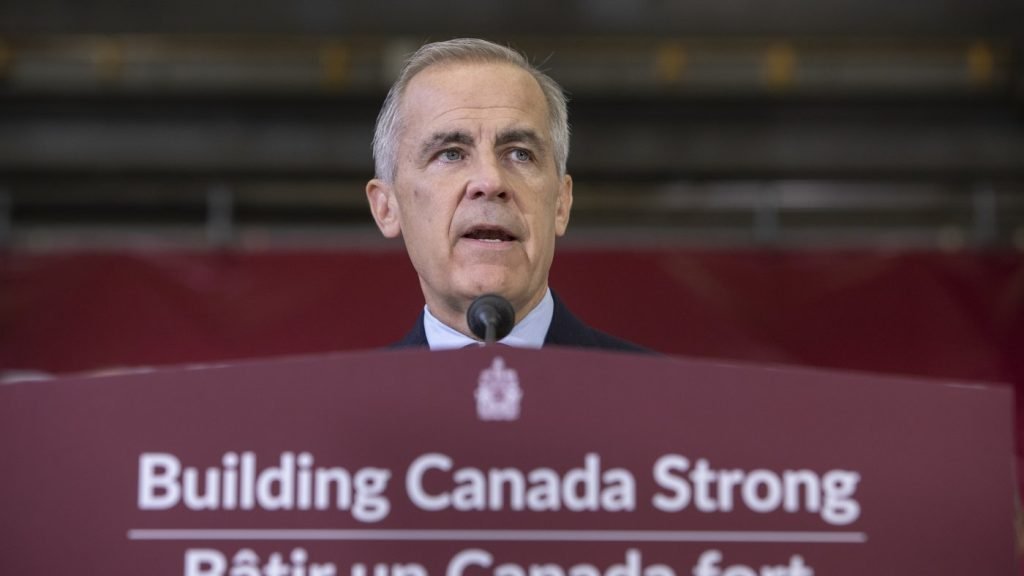
Build Canada Homes Plans to Construct 4,000 Housing Units on Federal Land, Including Alberta: Carney
On September 11, 2025, Prime Minister Mark Carney unveiled a significant initiative aimed at addressing Canada’s pressing housing crisis through the establishment of the Build Canada Homes agency. This agency will oversee a bold plan to construct 4,000 affordable homes across six federally owned sites in urban centers, including Dartmouth, Longueuil, Ottawa, Toronto, Winnipeg, and Edmonton. The long-awaited announcement is anticipated to catalyze the housing market, which has been hampered by complex regulatory challenges and escalating development costs.
At the core of Prime Minister Carney’s strategy is the acknowledgment that the housing market is constrained by difficulties in the construction process. By leveraging government-owned land, the agency aims to streamline development and make it easier for builders to engage in new projects. A senior government official has indicated that construction on the first homes is expected to commence next year, underpinning a commitment to swiftly address housing shortages.
The Build Canada Homes agency is positioned as the principal entity managing affordable housing initiatives linked to the federal government. Notably, it will incorporate a $1 billion fund dedicated to transitional housing projects, serving those at risk of homelessness—an essential element for enhancing community stability and social well-being. Furthermore, the existing rental protection fund will continue to support community housing groups in their efforts to maintain affordable rents within the private market.
Modern construction methodologies are at the forefront of this initiative. Carney has emphasized the adoption of factory-built, modular, and mass timber techniques. These innovative approaches promise to expedite construction timelines, allowing homes to be assembled in rapid succession and weather despite winter conditions. The emphasis on cost-efficient methods is intended not only to lower building expenses but also to mitigate housing costs for Canadian families through reduced rents and sales prices.
In addition to addressing housing shortages, the agency will implement the federal government’s new “Buy Canadian” policy. This initiative aims to prioritize the use of Canadian materials and inputs, further strengthening the domestic economy against external pressures, such as U.S. tariffs. This strategic focus aligns with broader national interests, encouraging local manufacturing and fostering job creation within the construction sector.
With Ana Bailão, a former city councillor and deputy mayor, assuming the role of CEO, the agency is poised to leverage her extensive experience in urban development and community housing. Overall, the Build Canada Homes initiative represents a coordinated effort to confront Canada’s housing dilemma through innovative solutions and strategic land use, ultimately aspiring to provide accessible, affordable, and sustainable living spaces for Canadian families.
📋 Article Summary
- Prime Minister Mark Carney announced the creation of Build Canada Homes, aimed at constructing 4,000 homes on federally owned sites across various Canadian cities.
- The initiative focuses on leveraging government land to reduce construction costs, thereby lowering rents and home prices for families.
- A $1 billion fund will support transitional housing projects for individuals at risk of homelessness, while also maintaining the rental protection fund.
- The agency will prioritize modern construction methods and a "Buy Canadian" policy to support local materials and the economy amidst changing trade dynamics.
🏗️ Impact for Construction Professionals
The announcement of the Build Canada Homes agency presents significant opportunities for construction professionals. First, with plans to construct 4,000 homes across several major cities, contractors and subcontractors can position themselves to bid on upcoming projects, especially with a focus on cost-efficient construction methods like factory-built and modular homes.
Practical Implications:
Construction companies should proactively engage with the agency and stay informed about project timelines and requirements. Developing expertise in modern construction techniques will not only align your business with government priorities but also enhance your competitive edge.
Opportunities:
Participating in the $1 billion transitional housing fund can open doors for contractors specializing in affordable housing solutions. Additionally, the emphasis on Canadian materials under the “Buy Canadian” policy can strengthen local supplier relationships.
Actionable Insights:
Owners and project managers should assess their current capabilities and consider investing in training for efficient building practices. Planning for increased demand and preparing for a potential uptick in workforce needs should be a priority.
Overall, aligning your strategy with these initiatives allows for better operational planning and positions your business at the forefront of a growing sector in response to governmental housing priorities.
#Build #Canada #Homes #aims #build #housing #units #federal #land #including #Alberta #Carney

