
Build Canada Homes Plans to Construct 4,000 Housing Units on Federal Land: Carney
Overview of the Build Canada Homes Initiative
In a strategic move to tackle Canada’s housing crisis, Prime Minister Mark Carney announced the establishment of the Build Canada Homes agency, which aims to construct 4,000 homes across six federally owned sites. This innovative initiative seeks to streamline housing development and address the ongoing affordability challenges faced by Canadians. The selected cities for this ambitious project include Dartmouth, N.S., Longueuil, Que., Ottawa, Toronto, Winnipeg, and Edmonton, although exact locations within these municipalities are yet to be disclosed.
The agency is expected to commence construction on its first homes in the upcoming year, marking a significant step towards meeting the increasing demand for affordable housing. Carney articulated the core difficulties within the housing market, emphasizing that “it’s just too hard to build.” By identifying surplus land owned by government departments, the initiative aims to facilitate construction processes, ultimately reducing costs for builders and enhancing accessibility for prospective homeowners.
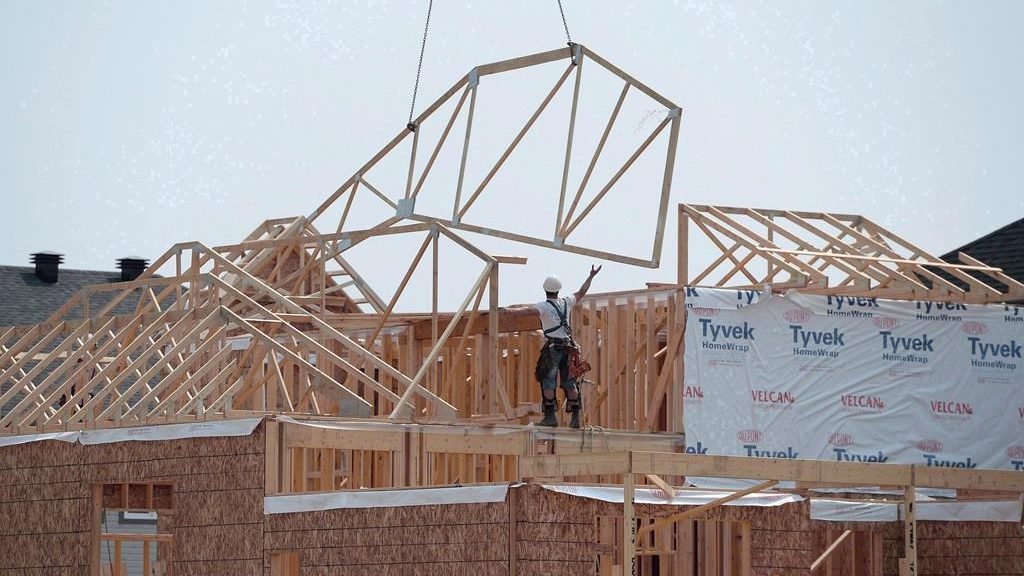
One notable component of the Build Canada Homes strategy is its commitment to utilizing cost-efficient and modern construction methods. This includes factory-built homes, modular units, and mass timber approaches, which can expedite the construction timeline and allow for greater flexibility in adverse weather conditions. The move towards factory-built homes is particularly significant; these structures can be manufactured in controlled environments and assembled rapidly on-site, thereby streamlining the entire construction process.
Additionally, the agency will house a $1 billion fund dedicated to transitional housing projects designed to assist individuals at risk of homelessness. This focus on social responsibility underscores the imperative to provide not only housing but also stability for vulnerable populations. The continued support of the government’s rental protection fund will help ensure that community housing organizations can maintain the affordability of private rental units.
The initiative aligns with the federal government’s "Buy Canadian" policy, which aims to promote the use of domestic materials and supplies, thereby boosting the Canadian economy amid external challenges such as U.S. tariffs. This policy not only fortifies local industries but also encourages sustainability within the construction sector.
The appointment of Ana Bailão as CEO further strengthens the initiative. With her experience as a former Toronto city councillor and board member of Toronto Community Housing, Bailão brings a wealth of knowledge about urban development and housing policy.
In conclusion, the Build Canada Homes initiative represents a multifaceted approach to addressing Canada’s housing dilemmas. By prioritizing modern construction techniques, leveraging government resources, and focusing on community welfare, the initiative aims to create a sustainable and affordable housing landscape for Canadian families, setting a precedent for future development strategies.
📋 Article Summary
- The Build Canada Homes agency will oversee the construction of 4,000 homes on six federally owned sites in cities including Toronto and Ottawa, with construction beginning next year.
- Prime Minister Mark Carney emphasized the need to simplify the housing construction process to reduce costs and make homes more affordable for Canadians.
- The agency will utilize modern building methods and a $1 billion fund for transitional housing projects to support those at risk of homelessness.
- The "Buy Canadian" policy will be implemented to prioritize using Canadian materials, bolstering the local economy amid U.S. tariffs.
🏗️ Impact for Construction Professionals
The announcement of the Build Canada Homes agency presents significant opportunities and practical implications for construction professionals. Firstly, the initiative to develop 4,000 homes across multiple provinces means an influx of contracts that can stimulate business growth. Construction company owners and project managers should prepare to engage with government procurement processes to secure these contracts, emphasizing their capabilities in cost-efficient and modern building techniques such as modular and mass timber construction.
While this initiative can lower costs and create jobs, challenges may arise from stringent compliance with the “Buy Canadian” policy, which necessitates sourcing locally. Therefore, it’s crucial to establish relationships with Canadian material suppliers to remain competitive.
Actionable insights include revising strategic plans to incorporate more efficient production methods that align with government priorities. Consider training staff in factory-build techniques to enhance workflow efficiency and adaptability.
In day-to-day operations, this could mean reallocating resources to focus on projects that meet government criteria, ensuring businesses are ready to take advantage of upcoming funding for transitional housing and rental protection actions. Embrace this initiative as a chance for long-term partnership with the federal government while enhancing community contributions.
#Build #Canada #Homes #aims #build #housing #units #federal #land #Carney

