
Build Canada Homes Plans 4,000 Housing Units on Federal Land, Says Carney
Overview of the Build Canada Homes Initiative
In a significant move to address Canada’s housing crisis, Prime Minister Mark Carney unveiled the Build Canada Homes agency, tasked with overseeing the development of 4,000 homes across six federally owned sites. This announcement, made during a press conference in Nepean, aims to streamline the construction process and alleviate housing affordability challenges for Canadian families. As the core issue facing the current housing landscape is the complexity of building, this initiative is strategically designed to enhance efficiency and expedite housing delivery.
The selected locations for the new homes include urban centers such as Dartmouth, N.S., Longueuil, Que., Ottawa, Toronto, Winnipeg, and Edmonton. While specific site details are yet to be disclosed, construction is anticipated to commence next year, signaling a proactive approach to mitigating housing shortages. The initiative builds on the government’s ongoing rental protection fund, which supports community housing groups in acquiring private rental units to maintain affordability. This continuity fosters a robust framework for the sustainable housing environment that the new agency aims to create.
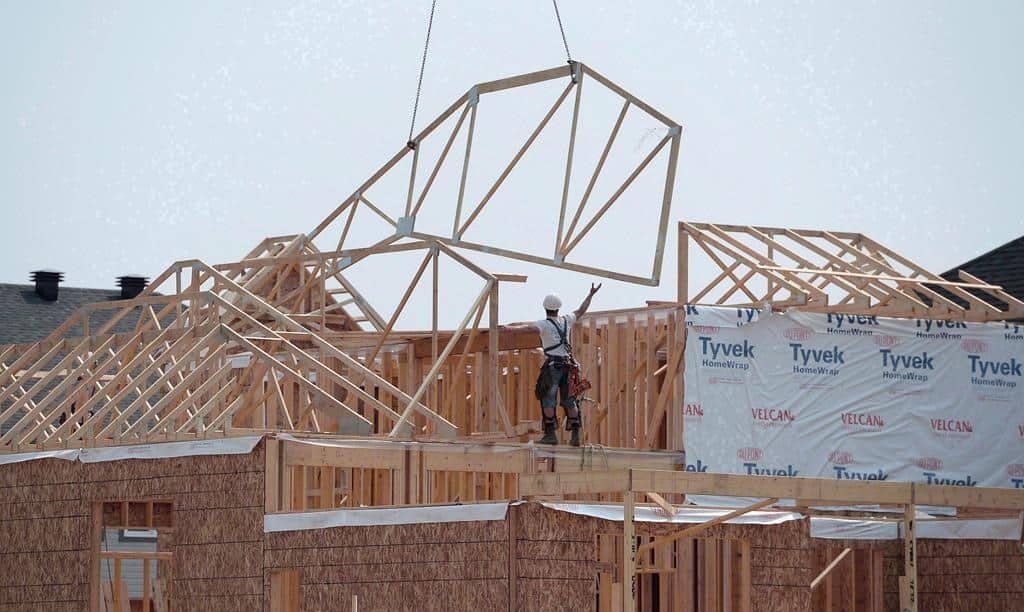
A pivotal element of Build Canada Homes is its incorporation of a $1 billion fund designated for transitional housing projects. This funding is earmarked to provide assistance to individuals facing homelessness, ultimately serving as a safety net in tandem with broader housing initiatives. Additionally, Carney emphasized the agency’s commitment to incorporating modern, cost-efficient construction methodologies, including factory-built homes, modular structures, and mass timber. Such techniques not only streamline the building process but also ensure rapid assembly, allowing for year-round construction despite adverse weather conditions.
The agency will also enforce a “Buy Canadian” policy, prioritizing the use of domestically sourced materials. This approach is particularly relevant in light of current U.S. tariffs that impact the construction supply chain, thereby providing a dual benefit of bolstering the Canadian economy while ensuring projects remain economically feasible for builders.
Under the leadership of Ana Bailão, a seasoned figure in municipal housing governance, Build Canada Homes is positioned as the principal agency for federated affordable housing initiatives. The implications of this agency’s establishment extend beyond mere housing supply; it represents a concerted federal commitment to tackling housing affordability and homelessness in a comprehensive manner.
In conclusion, the launch of Build Canada Homes marks a critical juncture in Canada’s approach to resolving its housing challenges. By leveraging modern construction technologies, securing funding for transitional housing, and promoting local materials, the initiative offers a pragmatic solution to a complex issue facing Canadians today.
📋 Article Summary
- The Build Canada Homes agency will oversee the construction of 4,000 homes on six federally owned sites, with initial construction set to begin next year.
- Locations for the new homes will include Dartmouth, Longueuil, Ottawa, Toronto, Winnipeg, and Edmonton, though specific sites remain undisclosed.
- The agency will prioritize cost-efficient construction methods, including factory-built and modular homes, to lower costs and improve affordability.
- A $1 billion fund for transitional housing and the continuation of the rental protection fund will support affordable housing initiatives and help prevent homelessness.
🏗️ Impact for Construction Professionals
The announcement of the Build Canada Homes agency presents significant opportunities for construction professionals. With plans to build 4,000 homes across key urban areas, companies focused on residential construction should strategically position themselves to bid on these projects.
Practical business implications include the need to navigate new government requirements, particularly regarding cost-efficient construction methods like factory-built and modular homes. Companies should start investing in or partnering with firms that specialize in these innovative construction techniques to enhance their competitiveness.
Additionally, professionals should prepare for shifts in project timelines and potential fluctuations in material costs due to the “Buy Canadian” policy, which emphasizes local sourcing. This will require agile supply chain management and close relationships with Canadian suppliers.
To capitalize on the $1 billion fund for transitional housing, contractors should explore partnerships with community housing groups to secure projects aimed at affordability.
Incorporating these insights into strategic planning can lead to new contracts and a stronger positioning in the evolving housing market, ultimately ensuring relevance and profitability in a highly competitive landscape.
#Build #Canada #Homes #aims #build #housing #units #federal #land #Carney

