
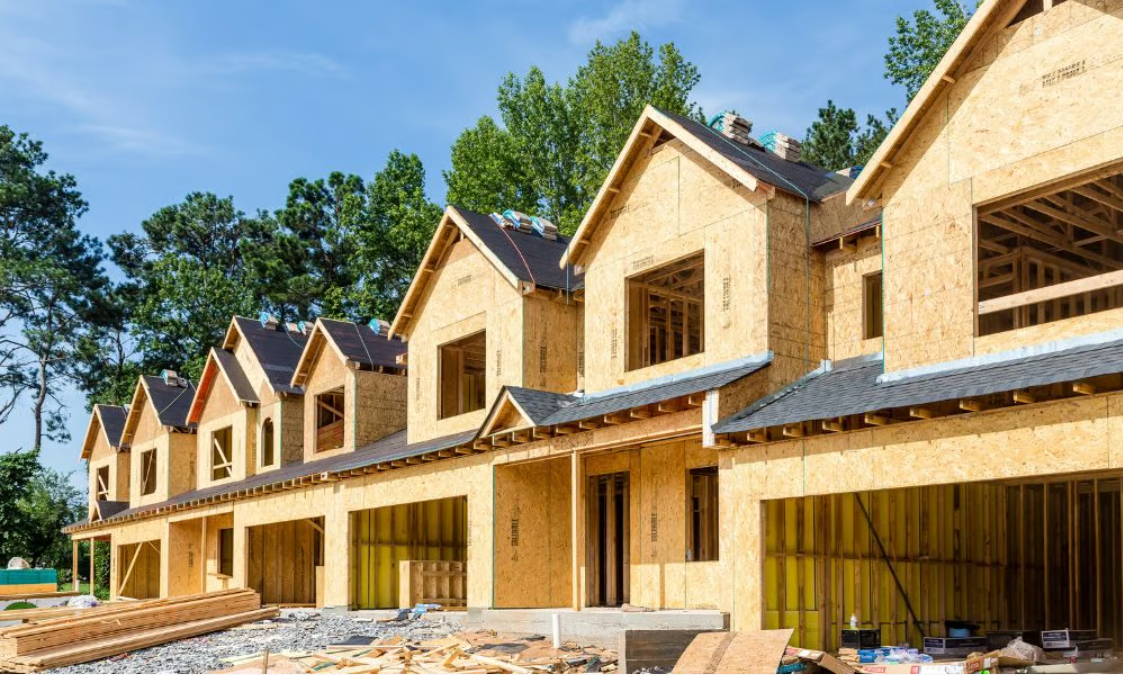
Build Canada Homes’ Design Framework Under Increased Scrutiny
The Canadian housing landscape is grappling with a profound shortage of three-bedroom and larger homes, a concern exacerbated by the urgent demand for urban densification. Recent commentary by housing analyst Moffatt raises critical questions regarding the Building Canada Homes (BCH) initiative, particularly its focus on small, low-rise constructions amidst this pressing need. As cities strive to accommodate growing populations, BCH’s current trajectory may not align with the overarching objective of addressing housing scarcity effectively.
A notable aspect of BCH is its promotion of modern construction methodologies. However, its framework distinctly lacks provisions for funding research and development, stating that investments must directly increase affordable housing supply. This limitation presents what Moffatt terms a “valley of death” for innovative building technologies, projecting a future where potential advancements remain untapped due to financial constraints. Additionally, traditional regulatory frameworks—such as zoning and building codes—often render cutting-edge innovations impractical, if not outright illegal. This regulatory rigidity stifles creativity within the construction sector and hinders the advancement of new, viable housing solutions.
On a positive note, the BCH framework offers clarity regarding housing affordability, defining it as rents that do not exceed 30% of a household’s before-tax income based on median figures. This metric, while straightforward, may not sufficiently address the multidimensional challenges of housing affordability. Tim Richter from the Canadian Alliance to End Homelessness cautions that without stringent federal objectives, housing initiatives risk becoming diffuse, diluting their impact on homelessness and affordability. The concern that federal funding could be “spread a mile wide and an inch deep” encapsulates the potential pitfalls of an uncoordinated approach.
In conclusion, while BCH seeks to enhance the supply of affordable housing, its current model may not adequately address the broader challenges facing the Canadian housing market. With its concentrated focus on low-rise construction and a restrictive funding strategy for innovation, crucial opportunities for meaningful advancements may be overlooked. For construction professionals, understanding these dynamics is vital, as the industry’s responsiveness to regulatory shifts, the need for innovative building practices, and an alignment with broader urban housing goals will ultimately dictate both immediate and long-term success in alleviating Canada’s housing crisis. The call for a more nuanced, comprehensive strategy is evident, placing the spotlight on policy makers to pave the way for a more resilient housing framework.
📋 Article Summary
- Canada faces a significant shortage of three-bedroom homes, raising concerns about the BCH’s focus on small, low-rise housing amid a need for densification.
- The BCH framework lacks funding for research and development, which may hinder innovation in affordable housing technologies, contributing to a "valley of death" for emerging solutions.
- While the framework clarifies what constitutes affordable housing, critics like Tim Richter warn that without clear federal objectives, funding may be ineffective in addressing homelessness and affordability issues.
- Zoning and building codes further complicate the implementation of promising innovations, limiting their potential impact on the housing crisis.
🏗️ Impact for Construction Professionals
The recent announcement regarding Canada’s housing framework presents both opportunities and challenges for construction professionals. Here’s how you can respond:
Opportunities:
-
Focus on Affordability: Adapt your projects to meet the framework’s affordability criteria, which defines housing as affordable when rents are no more than 30% of before-tax income. This approach could open doors to federal funding or partnerships.
- Embrace Modern Methods: Although the framework emphasizes small, low-rise homes and does not fund R&D, explore innovative construction methods within the existing regulations to differentiate your projects.
Challenges:
-
Zoning and Regulations: Be aware of the "valley of death" regarding zoning laws that restrict innovative building methods. Engage local policymakers to advocate for reforms that support modern construction practices.
- Resource Allocation: With federal funds potentially being "spread a mile wide and an inch deep," strategic planning and prioritization of high-impact projects will be essential to ensure that your investments yield measurable benefits.
Actionable Insights:
- Conduct a thorough market analysis to identify and focus on developing affordable housing.
- Collaborate with local stakeholders to address zoning challenges and influence policy changes.
- Align your long-term strategic goals with federal priorities to enhance your project viability.
Incorporating these insights into your operations will position your business to thrive amidst shifting regulations and market demands.
#Build #Canada #Homes #design #framework #faces #criticism

