
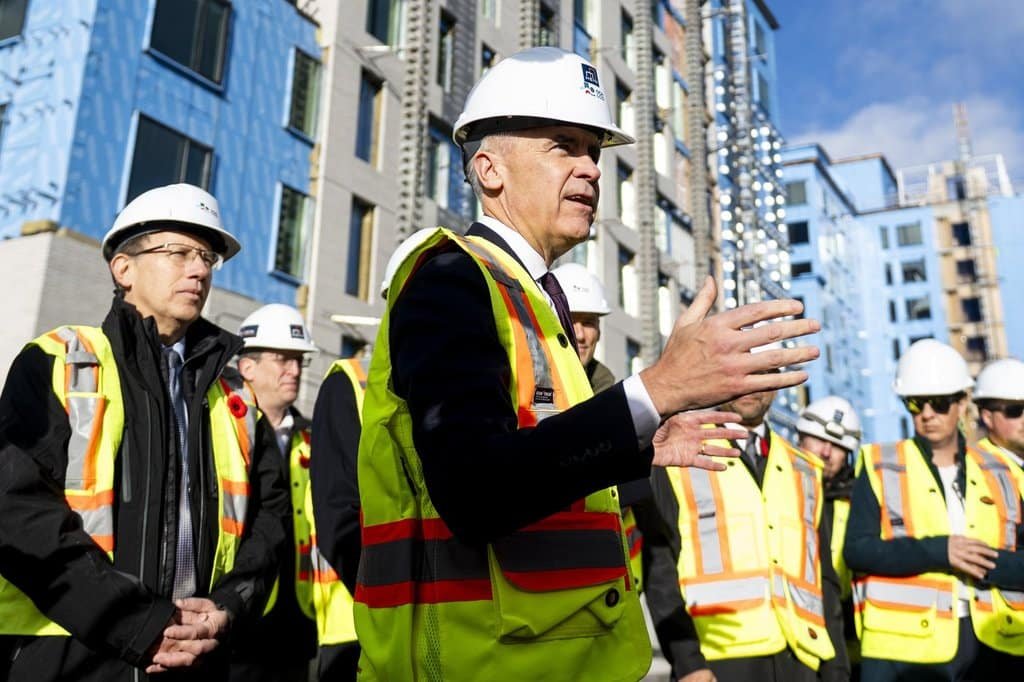
Budget Office Projects Modest Increase in Housing Supply from Build Canada Homes – Winnipeg Free Press
Overview of Canada’s New Housing Initiative and its Challenges
The federal government’s introduction of Build Canada Homes, a new housing agency, represents a significant, albeit cautious, step towards addressing Canada’s critical housing affordability crisis. Launched in September 2025, this initiative comes with a robust initial funding package of $13 billion aimed at increasing the stock of affordable housing through loans, financing, and land acquisition strategies. However, a recent report from the Parliamentary Budget Office (PBO) casts doubt on the initiative’s potential impact, projecting the agency will only add around 26,000 new housing units over the next five years—merely 3.7% of the estimated 690,000 units needed to restore housing affordability in the coming decade.
Housing Minister Gregor Robertson underscored that the program is at its nascent stages, promising to stimulate further investments from provincial governments and the private sector. However, the PBO’s assessment raises concerns about the comprehensive effectiveness of such efforts. The report indicates that while the federal government aims to increase the pace of housing construction, a lack of a concrete, detailed plan renders this goal largely aspirational at this point.
Critics from the opposition, particularly Conservative Leader Pierre Poilievre, have labeled the government’s promises as a “bait and switch,” underscoring the disparity between the government’s ambitious targets and the PBO’s projections. Poilievre emphasized that the housing agency is projected to only facilitate the construction of approximately 5,000 homes annually, a fraction of the 500,000 homes pledged during the election, calling for immediate action to prevent a downturn in construction activities.
Additionally, the PBO warned of a looming 56% decline in federal housing spending over the next three years unless new commitments are made to sustain existing programs. Concerns about expiring funding agreements, particularly under the national housing strategy led by the previous administration, raise alarms over future contributions to housing efforts.
Amid this challenging landscape, Finance Minister François-Philippe Champagne maintained that the government is committed to historical spending levels but acknowledged the necessity for nuanced understanding of future commitments. Meanwhile, NDP housing critic Jenny Kwan criticized the administration for overstating their homebuilding capabilities, framing the new investments as insufficient in addressing the pressing housing crisis.
In conclusion, while Build Canada Homes represents a positive move towards increasing affordable housing in Canada, its limited immediate impact as highlighted by the PBO presents significant hurdles on the path towards restoring housing affordability. The implications for the construction industry are profound, necessitating vigilant engagement from stakeholders to ensure effective implementation and leveraging of federal resources for expansive housing development.
📋 Article Summary
- The federal government’s new housing agency, Build Canada Homes, aims to increase affordable housing stock with $13 billion in funding but is expected to meet only a small fraction of housing needs, adding 26,000 units in five years.
- The Parliamentary Budget Officer (PBO) indicates that this plan addresses just 3.7% of the 690,000 units required to restore housing affordability over the next decade.
- Critics, including Conservative Leader Pierre Poilievre, argue that the agency will fall short of ambitious housing targets set during the election, with claims of substantial declines in construction.
- There are concerns about looming reductions in overall federal housing spending, with key funding agreements potentially expiring without renewed commitments.
🏗️ Impact for Construction Professionals
The announcement of the Build Canada Homes initiative can create both opportunities and challenges for construction professionals. With an anticipated increase in affordable housing projects, construction companies should proactively position themselves to secure contracts related to the 26,000 units expected to be built over the next five years.
Opportunities: Companies can explore partnerships with the federal government and leverage the initial $13 billion in funding for loans and land acquisition. Additionally, given the expected 2.1% increase in new construction, firms can strategically align their resources and workforce to be ready for these upcoming projects.
Challenges: The projected shortfall of 690,000 units to restore affordability may lead to increased competition among firms. Companies need to differentiate themselves through innovation and efficiency to secure a competitive edge.
Actionable Insights: Invest in training for staff to leverage new technologies in construction that can reduce costs and improve timelines. Also, consider seeking out collaborations with municipal bodies and local stakeholders to enhance visibility.
Incorporating these elements into daily operations and long-term strategic planning can ensure that construction firms are not only reactive but also proactive in taking advantage of this changing housing landscape.
#Budget #office #sees #modest #boost #housing #supply #Build #Canada #Homes #Winnipeg #Free #Press

