
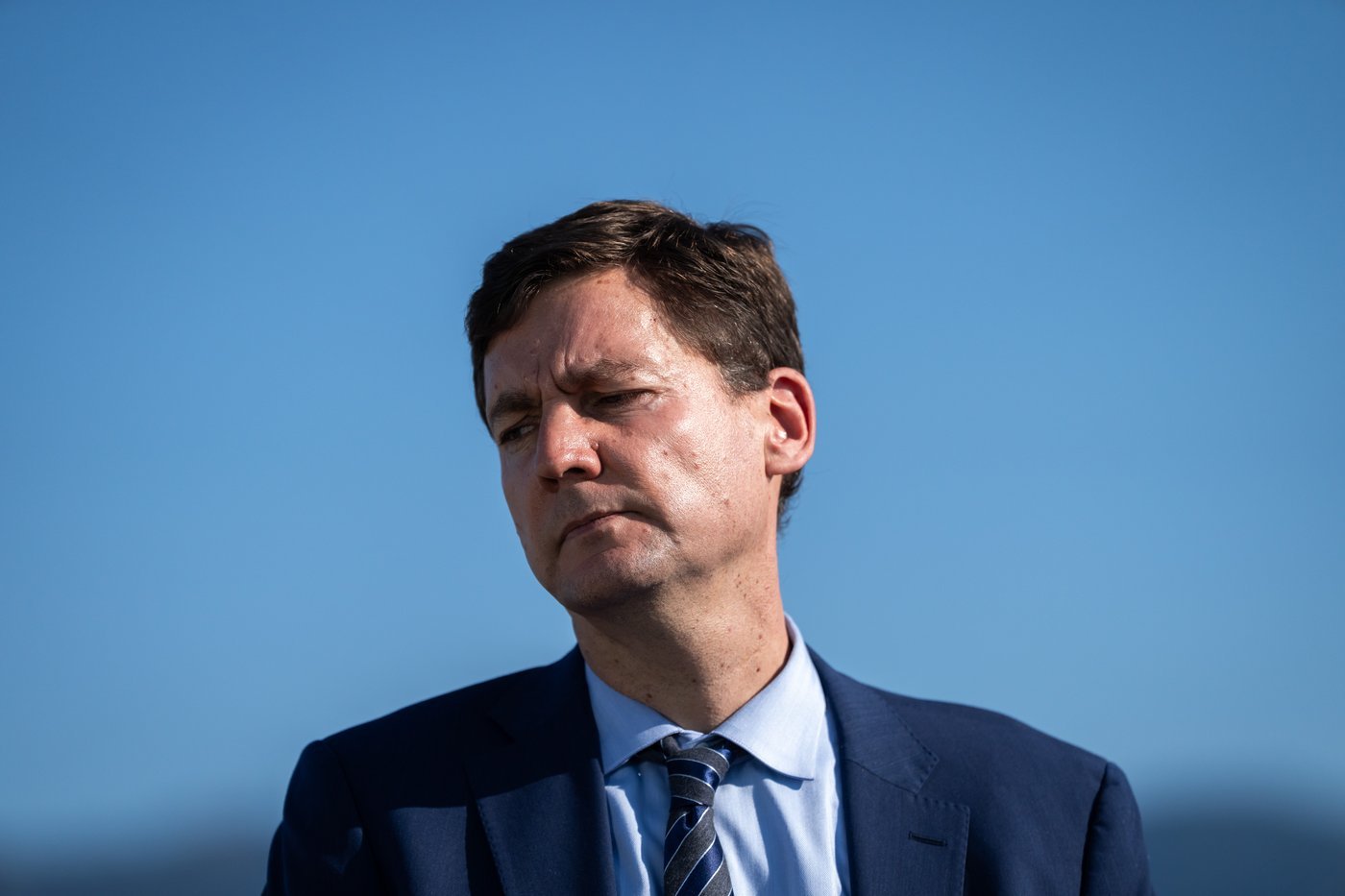
B.C. Premier David Eby Unveils New Involuntary Care Beds and North Coast Power Line Initiative
British Columbia is set to navigate significant developments in addressing public disorder and homelessness through the proposed expansion of involuntary care, leveraging existing infrastructure over new builds. Premier David Eby has emphasized this strategic approach, which aligns with growing pressures from municipal leaders advocating for comprehensive solutions to escalating urban challenges. The provincial government aims to repurpose existing buildings, an initiative that may not only expedite the process but also mitigate costs associated with new construction.
This announcement comes in the context of heightened concerns over public safety and economic vitality due to rising incidences of property crimes and visible struggles with mental health and addiction in urban landscapes. Eby recognizes the growing frustration among communities, stating that while the crime rate in B.C. has decreased by 11 percent, the perception of safety remains compromised. The focus on involuntary care reflects a proactive stance in tackling these complex social issues, aiming to restore confidence among local businesses and residents.
Moreover, the Premier’s commitment to enhancing resources for homelessness and victim support underscores a multifaceted strategy that addresses underlying societal challenges. Alongside this, there is optimism surrounding anticipated federal reforms to the Criminal Code. However, specifics on these reforms remain vague, particularly concerning repeat offenses that plague communities. This uncertainty raises questions regarding the practicality of long-term solutions without clear legislative backing.
The introduction of key infrastructural projects, such as the North Coast power transmission line from Prince George to Terrace, promises to attract significant investment in northern B.C. This initiative aims to enhance job creation in rural areas, contributing to an economic rebound while addressing systemic disparities in community development.
In the broader context of housing strategy, federal housing and infrastructure minister Gregor Robertson announced forthcoming developments on federally-owned lands. Although recent announcements excluded B.C., the government conveys optimism about future initiatives that could address the region’s acute housing crisis. Eby has engaged with federal representatives, expressing confidence that collaborative efforts will harness federal lands to increase housing options effectively.
In summary, British Columbia is actively tackling pressing social and economic challenges through innovative approaches to existing infrastructure and collaborative relationships with federal authorities. The focus on involuntary care and housing underscores a commitment to ensuring community safety and economic viability, setting the stage for responsible growth and resilience in the face of ongoing urban development challenges.
📋 Article Summary
- Premier Eby announced plans to expand involuntary care using existing buildings as a response to rising public disorder and homelessness, amidst calls from municipal leaders for more support.
- Eby acknowledged the drop in B.C.’s crime rate but recognized growing community fears related to mental health and addiction issues, as well as repeat property crimes.
- Additional resources are being allocated to address homelessness and support victims of crime, with expectations of federal reforms to the Criminal Code in the coming fall.
- Federal Housing Minister Gregor Robertson emphasized the urgency of building new housing units on federally-owned lands, responding to B.C.’s ongoing housing crisis.
🏗️ Impact for Construction Professionals
The announcement regarding the B.C. government’s focus on using existing buildings for mental health and addiction care presents significant opportunities for construction professionals. Project managers and contractors should position themselves to offer renovation and repurposing services for these facilities. Given the urgency for mental health and homelessness solutions, there may be expedited project timelines; therefore, being flexible and agile in project execution is crucial.
Key actionable insights include:
-
Networking: Engage with local government officials and organizations involved in this initiative to understand specific needs and upcoming projects.
-
Develop Proposals: Prepare customized proposals that showcase your experience in retrofitting and renovating existing structures, which could lead to faster project approvals.
-
Stay Informed: Keep abreast of funding opportunities associated with this initiative, as municipal budgets may allocate more resources for community reintegration projects.
- Strategic Partnerships: Collaborate with mental health organizations to ensure that your projects meet their operational needs, possibly opening new avenues for future contracts.
By aligning your business strategies with the province’s goals, you can take a proactive stance in capitalizing on these forthcoming projects.
#B.C #Premier #David #Eby #announces #involuntary #care #beds #North #Coast #power #line

