
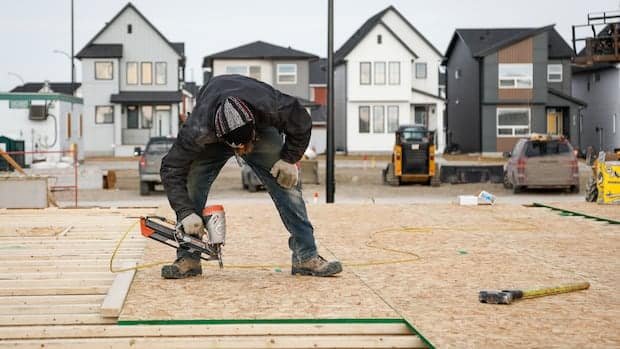
Amid Rising Demand, Alberta Sets New Housing Construction Records: What Can We Learn?
In 2025, Alberta experienced a remarkable surge in housing construction, breaking previous records and leading the nation in housing starts per capita. With 54,900 housing starts—an increase of 15% from the prior year—this growth can be attributed to a substantial influx of population that has necessitated expanded housing options. Experts are now urging other Canadian cities to examine Alberta’s strategies as models for increasing their housing supply amidst growing demand.
The housing boom in Alberta is particularly notable in the rental sector. As new constructions come online, rental prices have decreased, settling approximately $400 below the national average. This is a stark contrast to trends seen in regions like the Greater Toronto Area, where spikes in demand have historically not translated into sufficient housing availability, leading to sustained price hikes. Industry analyst Mike Moffatt notes that meeting demand hinges not only on construction capacity but also on supportive policy environments, a domain where Alberta excels.
Geographically, Alberta has advantages that facilitate construction. Cities such as Calgary and Edmonton are more spread out than their counterparts in British Columbia, allowing for outward expansion. Furthermore, Alberta’s lack of a provincial sales tax and generally lower development fees make it financially more feasible for developers to undertake projects. An assessment by the Canadian Home Builders’ Association placed Edmonton and Calgary among the top five Canadian municipalities for affordability and ease of building, contrasting sharply with Vancouver and Toronto, which ranked significantly lower.
In addition to geographical and financial benefits, Alberta has also implemented innovative processes, such as utilizing artificial intelligence for expediting building applications, enhancing the efficiency of permit approvals. However, not all policy initiatives have been as well received; Calgary’s recent blanket rezoning efforts aimed at enabling higher-density housing met with community resistance, raising concerns about local character and amenities.
Despite challenges, Alberta’s construction momentum has had positive ramifications, including the creation of development incentives in places like the City of Brooks. Federal initiatives, like the elimination of the GST on purpose-built rental housing, have further encouraged building activity.
Looking ahead, while Alberta may see a moderation in construction due to anticipated shifts in international migration, its robust population growth suggests continued demand for housing. This landscape serves as a critical case study for other regions aiming to navigate the complexities of housing shortages, highlighting the importance of adaptive regulatory frameworks and forward-thinking policies in supporting sustainable urban development.
📋 Article Summary
- Alberta experienced a record-breaking 54,900 housing starts in 2025, driven by strong population growth and increased construction activity, particularly in rental housing.
- The province benefits from a favorable policy environment, with lower development fees and faster permit approvals, making it easier for developers to build.
- Cities like Edmonton and Calgary have adopted innovative measures, such as AI technology for expedited approvals, while also implementing incentives to encourage construction.
- Other Canadian cities can learn from Alberta’s approach to balance demand and supply by improving their own housing policies and reducing development costs.
🏗️ Impact for Construction Professionals
The surge in housing construction in Alberta presents a significant opportunity for construction companies, project managers, and contractors. With a record 54,900 housing starts in 2025, businesses should strategically align their operations to capitalize on this demand.
Opportunities: Focus on rental housing construction, as falling rents indicate a growing market. Leverage favorable municipal policies in Alberta to streamline project approvals and reduce costs. Engage with local governments to understand subsidies or incentives under federal and provincial programs aimed at fostering affordable housing.
Challenges: The rapid growth may lead to increased competition for skilled labor and materials, potentially driving costs higher. Companies should consider partnerships to improve efficiency and mitigate these risks.
Actionable Insights: Implement technology, like AI, to expedite project approvals and track workflows. Diversify your service offerings to include modular or multi-residential housing, which appeals to current market needs.
Strategic Planning: Regularly assess market trends and adjust project scopes based on demographic shifts. Invest in workforce training and development to maintain quality amidst high demand. Proactive planning will ensure your business remains agile and competitive in this evolving landscape.
#Faced #surging #demand #Alberta #broke #housing #construction #records #lesson

