
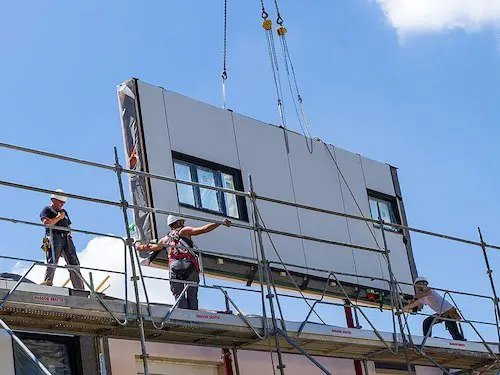
A New Approach to Revitalize Canada’s Retrofit Industry
Canada’s housing strategy currently overlooks the potential of energy retrofitting as a catalyst for nation-building. With projections indicating that over 70% of existing buildings will remain in use for the next quarter-century, addressing the urgent need for retrofitting is paramount. Approximately 12 million low-rise houses require upgrades to enhance their energy efficiency, sustainability, and resilience against adverse weather conditions. Meeting the target of retrofitting 480,000 homes annually is a monumental challenge that requires strategic planning and execution.
Recent policy rollbacks in Canada’s housing sector highlight a significant gap in maintaining and expanding the housing stock. The retreat from essential building-related policies jeopardizes not only the retrofit sector but also broader goals related to emissions reductions, job creation, and economic opportunities. Without robust support for a well-structured retrofit industry, Canada risks squandering invaluable prospects in sustainability and economic growth.
To transform the retrofit landscape, Canada requires a long-term strategy that offsets the cyclic boom-and-bust nature of short-term government funding incentives. It necessitates the introduction of market-led solutions that incentivize investment in energy efficiency and resilience. Such an approach would involve risk-sharing mechanisms for private investors and foster ongoing market demand for retrofits.
Building retrofits not only play a pivotal role in climate action but also contribute to national security by reducing dependence on global supply chains. Canadian-produced materials such as mineral fibre insulation present an opportunity to bolster domestic supply chains while simultaneously creating high-quality jobs across various sectors. This strategic investment can position Canada as a leader in the retrofit market, enhancing competitiveness and resilience.
Innovative financing models, including Property Assessed Clean Energy (PACE) and Energy Performance Contracts (EPCs), can also stimulate private investment in the retrofitting sector. These financing mechanisms align the repayment of retrofit costs with long-term energy savings, thereby attracting both homeowners and commercial property managers to invest in necessary upgrades.
In conclusion, the integration of retrofitting into Canada’s housing strategy presents a significant opportunity for sustainable growth and community resilience. With key federal initiatives like the Build Communities Strong Fund and Build Canada Homes, there is potential to channel resources toward innovative retrofit solutions. By fostering a lasting market-driven approach, Canada can capitalize on these critical opportunities to create a more sustainable built environment.
📋 Article Summary
- Canada’s housing strategy lacks a cohesive retrofit mission, essential for revitalizing older homes, which comprise over 70% of the country’s building stock.
- Approximately 12 million low-rise houses require retrofits to enhance energy efficiency, resilience, and affordability, with a target of 480,000 homes per year over the next 25 years.
- A sustainable retrofit industry needs long-term, market-led strategies incorporating private investment and demand-side management to maintain housing stock and drive job creation.
- Utilizing financing tools like Property Assessed Clean Energy (PACE) and Energy Performance Contracts (EPCs) can attract investment, reduce energy costs, and promote the growth of a robust retrofit market.
🏗️ Impact for Construction Professionals
The announcement presents a significant opportunity for construction professionals to pivot toward the burgeoning retrofit sector. As Canada seeks to meet its housing needs and tackle climate challenges, professionals should prepare for a surge in demand for energy-efficient retrofitting services.
Practical Business Implications: Construction companies can diversify their portfolios by incorporating retrofit projects, tapping into funding opportunities from government initiatives like the Build Communities Strong Fund.
Opportunities: Partnering with energy service companies (ESCOs) or exploring financing tools like PACE can mitigate upfront costs, making projects more appealing to property owners.
Challenges: Adapting to new regulations and standards around energy efficiency will require investment in training and potentially new technologies, which may strain resources initially.
Actionable Insights: Start by assessing your team’s capabilities in retrofit technologies and consider investing in training programs. Collaborate with local governments and utilities to align your services with funding opportunities. Monitor emerging regulatory frameworks to stay ahead of compliance requirements.
Strategic Planning: Integrate retrofit services into your business model to position your company as a market leader. This proactive approach will enable you to capitalize on the growing demand for sustainable construction solutions.
#Transform #Canadas #Retrofit #Industry

