
Federal Housing Minister Highlights B.C. Projects Considered for Build Canada Homes Initiative
The recent announcement surrounding the federal government’s Build Canada Homes agency highlights a significant effort to address the escalating affordable housing crisis across Canada. While the initiative aims to construct 4,000 homes across six federal land parcels, notably absent are proposed investments for British Columbia (B.C.), a region grappling with an acute housing shortage and rising homelessness rates.
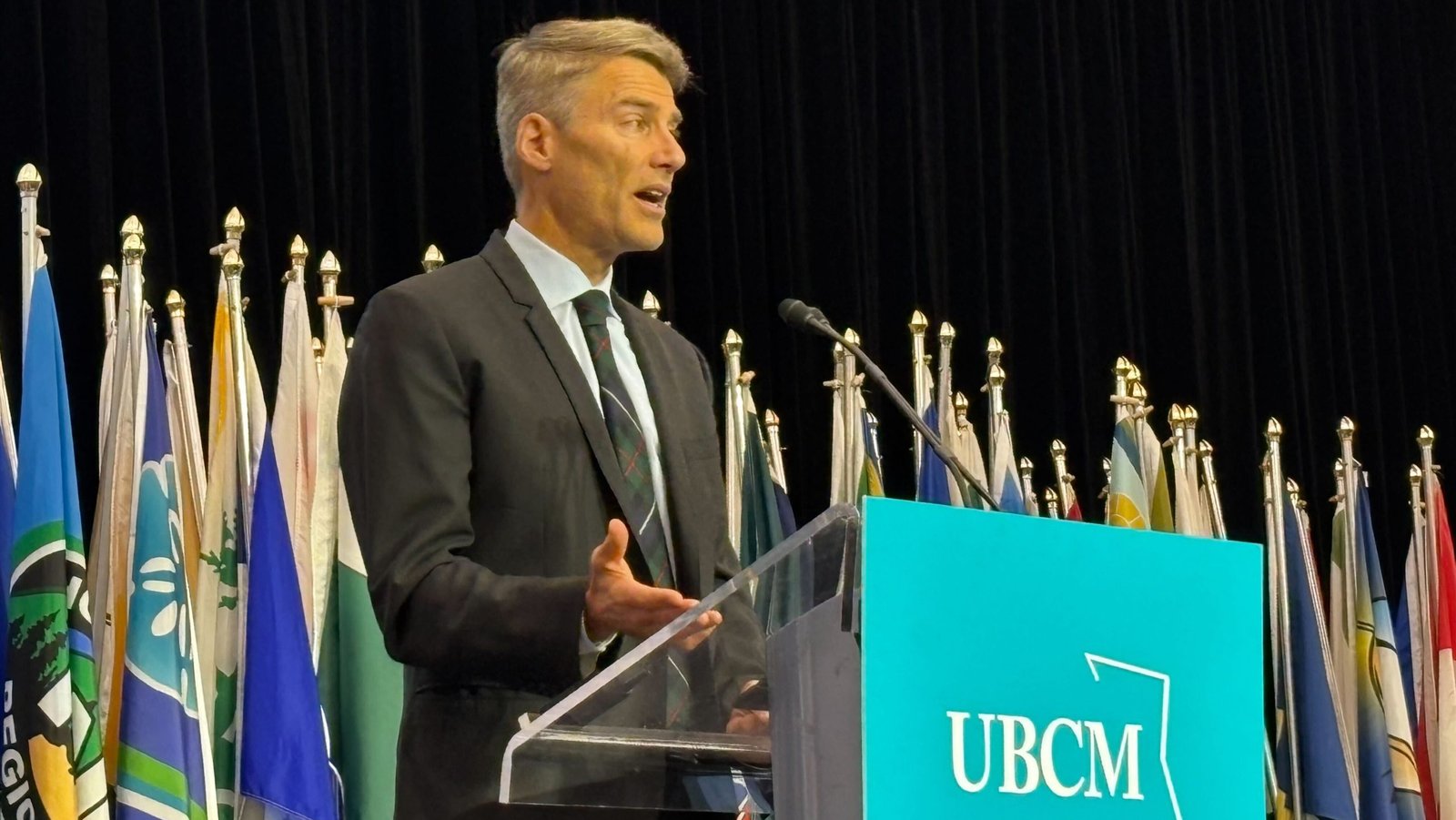
Build Canada Homes is envisioned as a strategic agency committed to increasing the stock of affordable housing. However, housing minister Gregor Robertson’s remarks at the Union of B.C. Municipalities (UBCM) reveal that while no immediate projects are earmarked for B.C. in this initial phase, he assures stakeholders that more sites will be announced in forthcoming months. This promise of future investments is critical as local municipalities are under pressure to manage burgeoning populations and escalating housing costs.
Robertson emphasized the urgency of the housing need, especially in light of a recent Point in Time count revealing a substantial increase in homelessness in the Capital Regional District. With nearly 1,750 individuals reported homeless, this statistic underscores the pressing requirement for effective housing solutions. The minister’s commitment to collaborate with all levels of government indicates an intergovernmental approach may be necessary to catalyze housing development and support services.
A noteworthy aspect of Build Canada Homes is its focus on modular supportive housing, with an initial $1 billion investment slated for the construction of what is termed ‘bridge housing.’ This type of housing aims to provide immediate support for those experiencing or at risk of homelessness, facilitating their transition into permanent residences. The incorporation of “wraparound services” is also highlighted — an essential component that links housing to health care and social support systems, ensuring comprehensive assistance for individuals struggling with homelessness.
As the initiative unfolds, construction professionals must recognize the implications of these developments. The planned projects will likely create demand for skilled labor, materials, and innovative construction methods like modular building systems. Moreover, collaboration with local governments and stakeholders will be key in aligning projects with community needs and regulatory frameworks.
In conclusion, while B.C. currently lacks designated projects under the Build Canada Homes initiative, the promise of forthcoming announcements, particularly concerning modular supportive housing, signals a proactive approach to the ongoing housing crisis. The effective integration of construction activities with social services remains paramount in mitigating homelessness and enhancing community resilience. As developments progress, industry stakeholders should prepare to engage actively in this evolving landscape, where timely and impactful housing solutions are desperately needed.
📋 Article Summary
- The new Build Canada Homes agency aims to create affordable housing but initially announced no projects in British Columbia (B.C.), with future initiatives under consideration.
- The agency plans to build 4,000 homes on federal land, with additional sites expected to be announced in the coming months.
- Federal Housing Minister Gregor Robertson emphasized the necessity for collaboration among all levels of government to address the rising homelessness issue in Canada.
- An initial $1 billion investment is proposed for modular supportive housing to assist individuals experiencing or at risk of homelessness, highlighting the urgency of the situation.
🏗️ Impact for Construction Professionals
The announcement of Build Canada Homes signals significant opportunities for construction professionals in B.C. While the initial projects do not include the province, upcoming initiatives promise to focus on federal land for housing. Construction company owners and project managers should position themselves to leverage these developments.
Practical Business Implications: Stay informed about future project announcements to identify potential bids. Establish relationships with local governments and agencies to position your company as a key player.
Opportunities: The anticipated $1 billion investment in modular supportive housing presents a chance to expand services, particularly for companies experienced in modular construction or social housing.
Challenges: Increased competition may arise as more entities aim to secure these projects. Prepare to differentiate your offerings through quality, sustainability, and partnership potential.
Actionable Insights: Monitor government communications closely and subscribe to industry newsletters. Consider strategizing partnerships with social services organizations for integrated project proposals.
This initiative may shift strategic planning towards community-focused projects, demanding flexibility in resource allocation and workforce readiness. Adapting quickly will be crucial for capturing upcoming opportunities.
#Federal #housing #minister #B.C #projects #eyed #Build #Canada #Homes

