
City Dismisses ‘Outlandish’ Proposal to Increase Taxes for Rent Subsidy Program
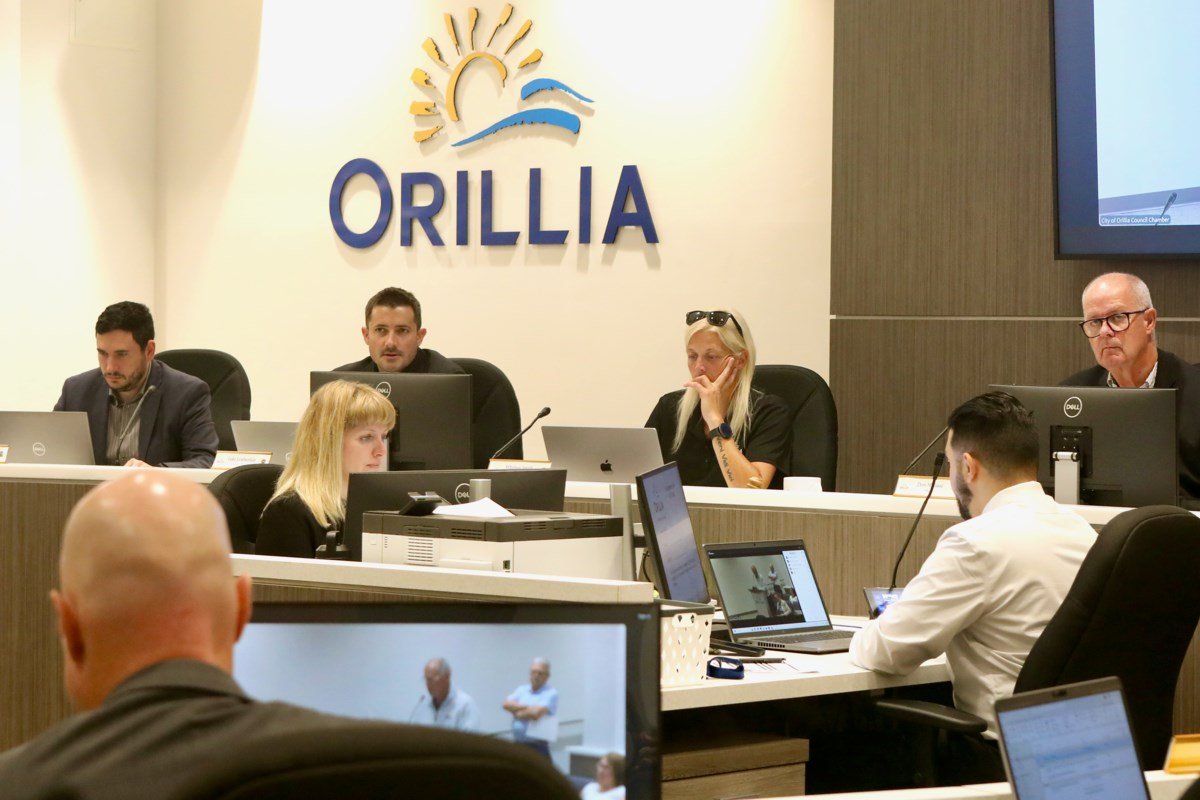
In a recent council meeting, Orillia’s local government made a crucial decision regarding the provision of affordable housing within the city. The council unanimously rejected a proposed bylaw that would have allowed for the creation of a new tax subclass aimed at subsidizing rents for low-income residents. This initiative was positioned as a means to bolster affordable housing options, yet councilors expressed significant concerns regarding fiscal responsibility and the equitable distribution of tax burdens.
Councillor Luke Leatherdale articulated strong opposition to the proposal, stating, “To pay more property tax to support the rent of others is crazy and totally irresponsible.” He emphasized the importance of informing the public about council decisions through a recorded vote. This sentiment echoed throughout the meeting, where several council members expressed their views against what they perceived as a shift of financial obligations from the provincial government to municipal taxpayers—a phenomenon commonly referred to as “provincial downloading.”
While the initiative aimed at facilitating more affordable housing, proponents of the bylaw faced the reality that implementing a new tax subclass would likely impose an additional financial strain on homeowners. Estimates indicated that residential tax rates would increase by 1 percent if applied only to new multi-residential construction, and up to 3 percent if broadened to encompass all multi-residential units. Such increases could complicate housing affordability for current homeowners, potentially exacerbating the very issue the proposal sought to ameliorate.
The city has actively pursued alternative measures to enhance its affordable housing stock, including hiring a housing coordinator to secure federal grants and modifying zoning regulations to permit multiple residences per lot and residential dwellings in commercial zones. While these actions reflect a commitment to addressing housing shortages, local leaders feel that the provincial government must also shoulder more responsibility.
Mayor Don McIsaac and Councillor Jay Fallis emphasized the need for more effective methods to foster affordable housing without reliant tax increases on residents, advocating for mechanisms that do not disproportionately impact municipal taxpayers. This perspective aligns with broader discussions occurring at the national level, such as the federal Liberal government’s investment in affordable housing initiatives through programs like Build Canada Homes.
In conclusion, while Orillia’s council remains committed to addressing housing affordability, the rejection of the tax subclass proposal underscores the challenges municipalities face in balancing financial accountability with the pressing need for accessible housing solutions. Local governments are calling for greater provincial involvement to ensure that the burden of housing affordability does not fall solely on municipal shoulders, emphasizing a collective responsibility towards sustainable urban development.
📋 Article Summary
- Orillia’s council unanimously rejected a proposal for a new tax subclass to fund rent subsidies, viewing it as a form of provincial downloading and an unfair burden on local taxpayers.
- Councillor Luke Leatherdale criticized the idea, stating it would be irresponsible to raise property taxes to support others’ rent.
- Councillor Janet-Lynne Durnford initially supported the proposal but changed her mind, emphasizing the need for provincial support rather than local taxpayer funding.
- Mayor Don McIsaac and other council members agreed that alternative methods for affordable housing should be explored without taxing homeowners.
🏗️ Impact for Construction Professionals
The recent decision by Orillia’s council to reject a new tax subclass for subsidizing rent undeniably impacts construction professionals. Here’s what you need to know:
Business Implications
-
Stable Market Conditions: The rejection may foster stability in property taxes, allowing you to better forecast project costs without the burden of increased homeowner taxes.
- Focus on Federal Initiatives: With the federal government investing $13 billion into affordable housing, consider positioning your company to take on publicly funded projects, particularly those utilizing pre-fabricated homes.
Opportunities and Challenges
- Opportunities: Look for partnerships with local governments or non-profits to develop affordable housing initiatives that align with federal support and community needs.
- Challenges: As municipal support wanes, be prepared for potential project slowdowns or a decline in multi-residential developments that might have leveraged the proposed subsidy.
Actionable Insights
- Engage with Local Government: Remain active in municipal discussions to understand future housing strategies, ensuring your company can pivot in response to policy changes.
- Diversify Services: Consider expanding services to include energy-efficient retrofits or affordable unit adaptations, catering to a broader market scope.
Strategic Planning
Integrate this knowledge into your strategic planning sessions. Focus on long-term relationships with municipalities and explore innovative construction methods that align with governmental incentives. This adaptive approach will ensure resilience in your business operations amidst shifting regulatory landscapes.
#City #rejects #crazy #idea #raising #taxes #create #rent #subsidy

