
“Insufficient Progress: CMHC Reports Home Construction Is Increasing, Yet Targets Remain Unmet”
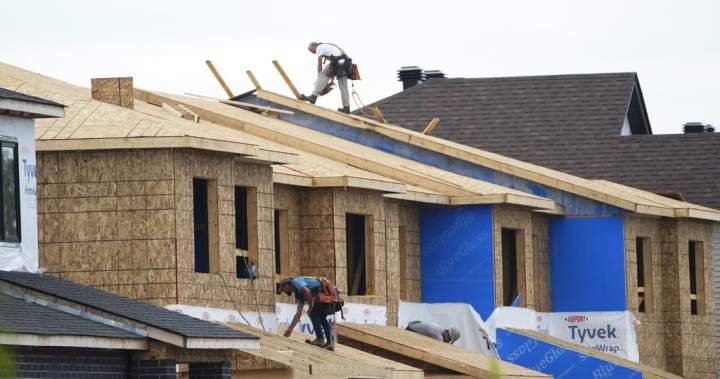
In Canada’s construction landscape, the first half of 2025 reveals a stagnation in new home starts, with statistics showing that builders initiated roughly the same number of projects compared to the previous year. This lack of growth is particularly troubling in light of Canada’s acute affordable housing crisis. As outlined in the Canada Mortgage and Housing Corporation (CMHC) report, major urban centers like Toronto are on track to experience their lowest annual housing starts in three decades, sparking concerns over future housing supply and affordability.
While some regions, notably Calgary, Edmonton, Montreal, and Halifax, have recorded spikes in housing starts, the broader picture presents a mixed bag. Economists indicate that the pronounced decline in housing construction in major areas such as the Greater Toronto Area (GTA) poses systemic risks not only to housing availability but also to workforce retention across sectors. Tania Bourassa-Ochoa, CMHC’s deputy chief economist, emphasized the detrimental effects of high development charges and protracted approval processes, calling for systemic reforms that would enhance cost predictability and expedite construction timelines.
The report further illustrates a bleak forecast. The Parliamentary Budget Office suggests that Canada is poised to build 2.5 million homes by 2035—700,000 short of the 3.2 million deemed necessary to meet demand. Prime Minister Mark Carney’s recent initiatives aim to bolster home construction and tackle interprovincial trade barriers, which could facilitate heightened housing starts.
Despite these ambitious targets, skepticism remains within the industry about their attainability due to the multifaceted challenges faced by developers, including rising financing costs, ongoing labour shortages, and complex municipal regulations. These hurdles have led to a prevailing sentiment of caution among builders, underscoring the necessity for streamlined processes and financial incentives.
The implications of continued low housing starts could further exacerbate the affordability crisis, pushing prospective buyers out of the market and inflating prices. With demand for housing persisting, the disparity between supply and need could lead to a significant spike in costs, particularly in overcrowded urban markets. As Conservative Party Leader Pierre Poilievre suggests alternative strategies for addressing affordability, it’s evident that a multifaceted response is crucial for mitigating the current crisis.
In conclusion, Canada’s construction sector faces a critical juncture. Addressing the myriad challenges influencing the housing supply requires concerted efforts from policymakers, industry stakeholders, and financial institutions to create an environment conducive to sustainable growth, ultimately benefiting both developers and those seeking affordable housing solutions.
📋 Article Summary
- Builders in Canada initiated a similar number of new homes in the first half of 2025 as the previous year, failing to address the ongoing affordable housing crisis.
- Major cities like Toronto and Vancouver experienced significant declines in housing starts, with the Greater Toronto Area on track for its lowest annual starts in three decades.
- The construction slowdown presents risks to future housing supply and affordability, driven by high costs, development charges, and lengthy approval processes.
- Economists suggest that systemic changes are necessary to improve construction conditions and meet the growing demand for housing across Canada.
🏗️ Impact for Construction Professionals
The recent report on Canada’s housing market highlights significant challenges and opportunities for construction professionals. Implications: With housing starts at a historic low, especially in major cities like Toronto, construction companies may face decreased demand for new projects. However, an increasing focus on low-cost rental units presents a unique opportunity for builders willing to pivot.
Actionable Insights: Project managers and contractors should assess their pipelines and consider specializing in affordable housing to align with governmental goals. Building partnerships with local governments can ease approval processes and mitigate development charges.
Challenges: Labor shortages and rising costs are prevalent; thus, firms must streamline operations, potentially adopting technology solutions for project management to improve efficiency.
Strategic Planning: Now is the time to invest in training and development for teams, focusing on cost-effective building techniques. Stay informed about government initiatives and funding opportunities aimed at increasing housing stock, as these could open financial doors for new projects.
By proactively adapting strategies, construction professionals can navigate the housing landscape effectively and maintain competitive advantages.
#fast #homes #built #targets #CMHC

