
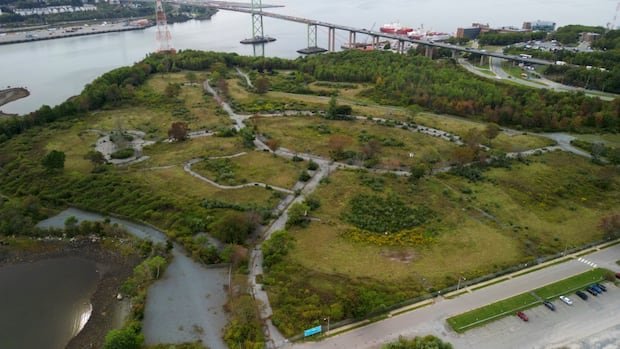
Everything We Know About the New Federal Housing Initiative in Shannon Park
A new federal initiative, Build Canada Homes, aims to transform part of the Shannon Park area in Dartmouth, Nova Scotia, into a significant housing construction zone. Announced on Sunday, the initiative seeks to bolster the national housing supply by introducing modular, factory-built, and mass timber construction techniques. The first phase includes six urban locations—Dartmouth, Longueuil, Ottawa, Toronto, Winnipeg, and Edmonton—targeting a combined output of 4,000 factory-built homes.
Darren Fisher, the MP for Dartmouth-Cole Harbour, expressed urgency for rapid execution, emphasizing the necessity for "keeping the foot on the gas pedal." While the exact number of units to be built in Dartmouth remains undetermined, Fisher outlined a dual approach to affordability: homes that cost less than 30% of a household’s pre-tax income based on the regional median, and “deeply affordable” units pegged to the income levels of low- and very low-income households.
The Shannon Park site, previously occupied by military housing until 2017, spans 35 hectares and was under the purview of the Canada Lands Company (CLC), which previously intended to develop 3,600 housing units, including 600 affordable options. However, it remains unclear if this new federal initiative will adhere to CLC’s original plans or necessitate revisions to accommodate the evolving housing landscape.
In March, the Nova Scotia government invested $16.8 million to acquire nearly one hectare of land from CLC, with prior statements indicating the intention to build 600 affordable units. While a recent update from provincial officials refrained from confirming this figure, they expressed an overall commitment to expanding affordable housing.
The involvement of non-profit organizations is crucial, as emphasized by Trish McCourt, Executive Director of the Nova Scotia Non-Profit Housing Association. She underscored the pressing need for collaboration to ensure timely, equitable access to housing for those facing significant challenges, including homelessness and precarious living conditions.
However, this ambitious undertaking is not without hurdles. Duncan Williams, head of the Construction Association of Nova Scotia, highlighted the pressing workforce shortages in the region. He urged government stakeholders to enhance training and retention strategies to align skilled labor with burgeoning demand in the construction sector. As more projects emerge, the necessity for a robust workforce has never been more paramount.
In conclusion, the Build Canada Homes initiative represents a bold stride towards addressing housing needs in Canada, particularly in underserved regions like Dartmouth. Its success will rely on strategic planning, effective collaboration with non-profits, and a robust approach to workforce development, making the implications of this federal endeavor both profound and multi-faceted.
📋 Article Summary
- A new initiative, Build Canada Homes, will transform part of Shannon Park in Dartmouth, N.S., into a housing zone for 4,000 factory-built homes aimed at low- and middle-income households.
- The project emphasizes the use of Canadian materials and modular construction techniques, with construction expected to begin next year.
- Affordable housing definitions include units costing less than 30% of income for both regional median and low-income households, but specific details on affordability and unit distribution remain unclear.
- Local non-profit organizations are encouraged to participate in planning, and workforce challenges in the construction sector may impact project timelines.
🏗️ Impact for Construction Professionals
The announcement of the Build Canada Homes initiative presents significant opportunities for construction company owners, project managers, and contractors. By focusing on modular and mass timber construction, you can align your services with upcoming projects, especially in Dartmouth and other selected cities. To capitalize on this initiative, consider the following actionable insights:
-
Skill Development: Address potential workforce challenges by investing in training programs. Align with educational institutions to develop a skilled labor force equipped for modular construction techniques.
-
Partnerships: Collaborate with non-profit housing organizations and government bodies to ensure you are part of the conversation during planning stages. Engaging early can secure contracts and roles in these projects.
-
Resource Management: Prioritize sourcing Canadian materials (lumber, steel, aluminum) to meet federal guidelines, enhancing your competitive advantage.
- Project Diversification: While large projects may be the focus, explore small-scale initiatives or subcontracting to maintain steady workflow during periods of high demand.
Incorporating these strategies into your operational plans will help you adapt in an evolving market, ensuring your business remains relevant and competitive.
#federal #housing #project #Shannon #Park

