
Microshelters Founders Reemerge with New Company Providing Temporary Housing and Engaging Lobbyist
Overview of Recent Developments in Temporary Shelter Market
The construction and temporary housing sectors are witnessing significant transitions as the founders of Microshelters have re-emerged with a new enterprise, Big Turtle Homes Inc., established on September 3, 2025. This new venture, which targets the modular housing market, presents an intriguing evolution of previous initiatives tied to homelessness and emergency shelter responses. Both companies list Jeffery Cooper and Denis Fourcaudot as principals and are recognized members of the Canadian Council for Indigenous Business.
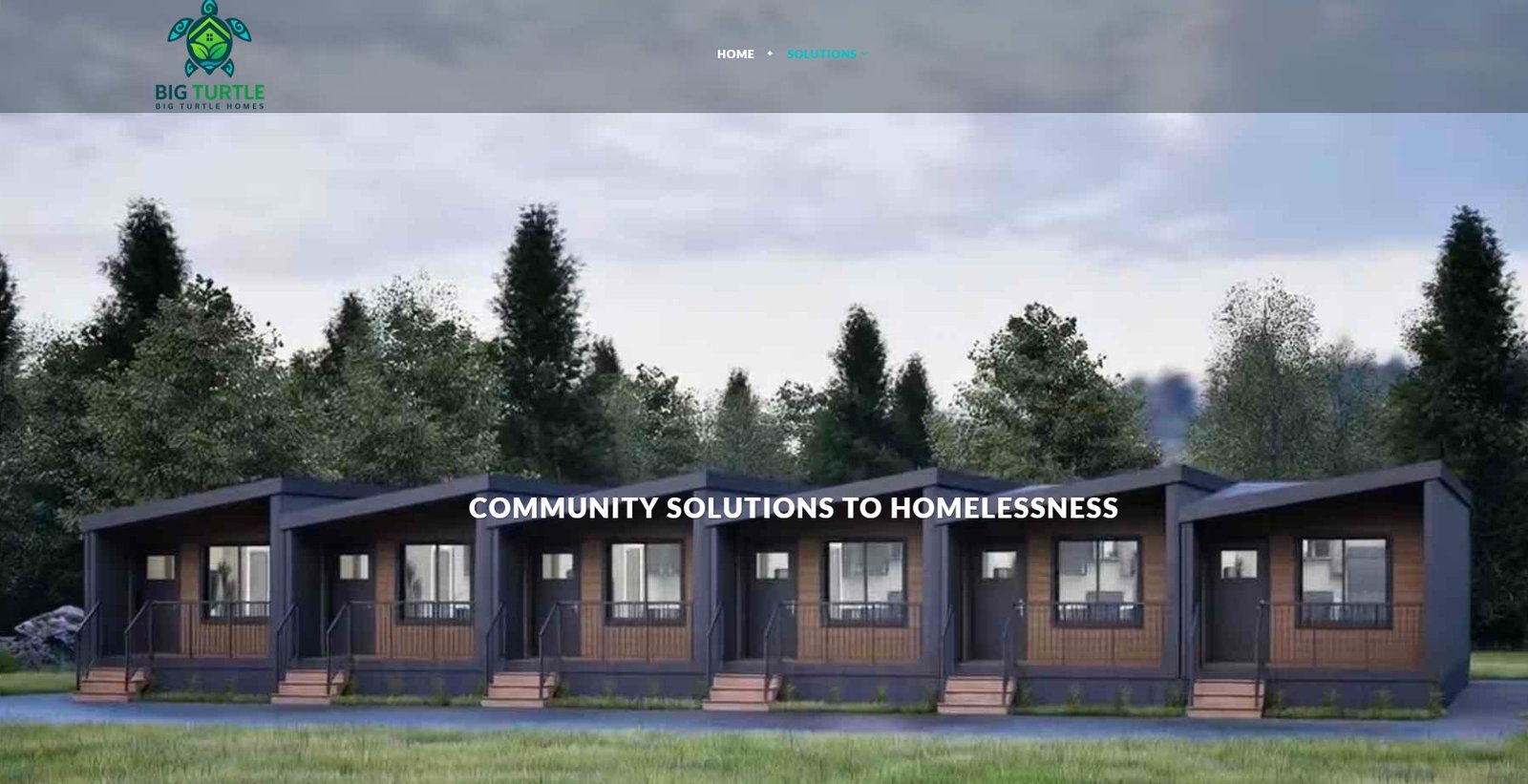
Big Turtle Homes is positioning itself as a key player in the affordable modular housing segment, recently having engaged a lobbyist to facilitate discussions between the company and crucial governmental bodies, including Housing, Infrastructure and Communities Canada (HICC) and the Prime Minister’s Office (PMO). The company’s objectives include forming partnerships to augment the supply of affordable housing in Canada. Notably, Big Turtle claims to have provided 40 modular shelters in Hamilton, accommodating 80 individuals, thus linking itself directly to emerging homelessness strategies.
However, the credibility of Big Turtle Homes is under scrutiny. Brian Lewis, a Hamilton resident with analytical prowess, pointed out that the firm lacks a verifiable operational history prior to its recent inception. The absence of documented projects or third-party validations raises concerns regarding its claims of experience within the modular housing realm. This void is particularly alarming given the backdrop of similar challenges faced by its predecessor, Microshelters, which was criticized for its lack of a proven track record at the time of its municipal engagements.
The previous entity’s tumultuous journey is compounded by ongoing investigations. Allegations of financial impropriety have surfaced, accusing Microshelters of misappropriating marketing materials from a U.S. supplier and questions about how its contract with the city materialized are now subject to inquiry by the local Integrity Commissioner. Furthermore, the vintage of their project management, combined with a reliance on external sourcing—specifically looking to American suppliers for shelter units—illustrates the complexity surrounding procurement and compliance with Canadian building regulations.
In summary, the emergence of Big Turtle Homes within the temporary shelter market offers a glimpse of innovation but simultaneously highlights fundamental issues regarding transparency and operational integrity. Industry stakeholders must remain vigilant, ensuring that all entities within this crucial market are evaluated on their merit and the efficacy of their solutions, particularly as communities strive to address pressing housing shortages effectively. The interplay of public funding, corporate responsibility, and community trust will be pivotal as these developments unfold.
📋 Article Summary
-
Big Turtle Homes Inc., founded by the same principals as Microshelters, was incorporated on September 3, 2025, and aims to provide affordable modular housing solutions in Canada.
-
Unlike Microshelters, which has faced scrutiny and legal challenges, Big Turtle’s public footprint is limited, with no verifiable projects or third-party confirmations of its experience.
-
The company is seeking to partner with the Federal Government to expand housing supply, having engaged a lobbyist to facilitate meetings with key government agencies.
- The city of Hamilton is currently reviewing the circumstances surrounding Microshelters’ involvement in a tiny shelter encampment project amid ongoing investigations into their business practices.
🏗️ Impact for Construction Professionals
The emergence of Big Turtle Homes Inc. presents both opportunities and challenges for construction professionals in the housing sector. Owners, project managers, and contractors should closely monitor this development, particularly given the company’s ambitious plans to partner with the federal government for modular housing.
Opportunities: This could signal an increasing demand for modular and temporary housing solutions, particularly in response to homelessness initiatives. Construction companies could explore partnerships or subcontracting opportunities with Big Turtle to broaden their project portfolios.
Challenges: With investigations into Microshelters’ past dealings, concerns about the legitimacy of new players like Big Turtle may arise. Companies should conduct due diligence before engaging in partnerships to mitigate risks.
Actionable Insights: Stay informed about regulations and funding related to temporary housing initiatives. Consider diversifying offerings to include modular units, potentially improving competitiveness. Regular communication with local governments can also provide insight into upcoming projects and collaborations.
By anticipating market shifts and adapting strategies, construction professionals can turn this news into a competitive advantage.
#Microshelters #principals #resurface #company #supplying #temporary #housing #hires #lobbyist

