
Ottawa Invests $3.7 Billion in Construction of Thousands of New Military Housing Units
Overview of Canada’s $3.7 Billion Housing Initiative for Military Personnel
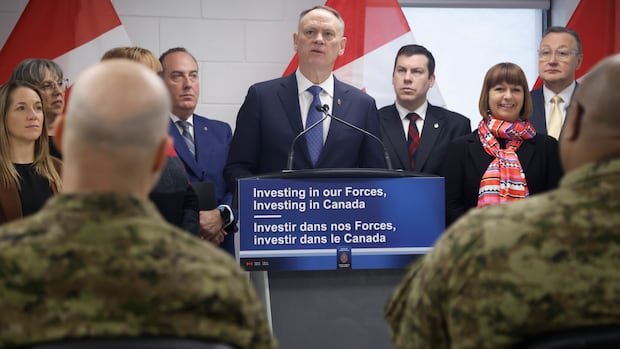
In a significant move to bolster military recruitment and address inadequate housing, Defence Minister David McGuinty has unveiled a $3.7 billion initiative aimed at constructing new housing units for Canada’s Armed Forces. This announcement reflects a proactive response to an urgent need identified by a recent auditor general report, which cited the aging infrastructure and poor conditions of existing military housing across the country.
The government plans to add 6,000 new housing units across 25 communities where the Canadian Armed Forces operate, supplementing the 800 units that are already underway. This expansion focuses on several base locations, including 500 new units for CFB Gagetown in New Brunswick, 900 units in Kingston, Ontario, and over 1,000 units each for bases in Valcartier, Petawawa, and Edmonton. Such strategic allocations indicate a targeted approach to resolving specific shortages in military housing.
The implications of this initiative extend beyond mere construction. Improved housing is expected to enhance the recruitment and retention of military personnel, an outcome that McGuinty emphasizes as critical for maintaining operational readiness and addressing a growing workforce demand, evidenced by a reported 13% uptick in military recruitment over the past eight months. The strategic linkage between adequate housing and personnel retention highlights an understanding of the multifaceted challenges faced by military families.
From a construction industry perspective, this substantial investment represents a robust opportunity for contractors and suppliers specializing in military infrastructure and residential building. The required push for expedited construction could stimulate local economies and provide job opportunities in the trades, enhancing workforce development within the construction sector. Moreover, the scale of the project necessitates collaboration among various stakeholders, including architects, engineers, and regulatory bodies to meet military specifications and environmental standards.
While the announcement is a positive step towards resolving long-standing housing issues, it will require meticulous planning and execution to ensure timely delivery. The integration of modern technologies into construction practices will be essential in delivering efficient and sustainable housing solutions.
In conclusion, the $3.7 billion housing investment for Canada’s military is a critical development aimed at improving living conditions for personnel, thereby enhancing recruitment efforts. As construction professionals engage in this initiative, the focus will be on delivering quality infrastructure that meets the unique needs of military families, ultimately supporting the operational effectiveness of Canada’s Armed Forces.
📋 Article Summary
- Defence Minister David McGuinty announced a $3.7-billion plan to build 6,000 new housing units for Canada’s military.
- The initiative aims to address a housing shortfall highlighted in a recent auditor general report and is set to provide units in 25 military communities.
- Notable locations receiving new units include CFB Gagetown, Kingston, Valcartier, Petawawa, and Edmonton, with each receiving over 500 units.
- McGuinty stated that improving housing conditions is expected to boost recruitment, which has already risen by 13% in recent months.
🏗️ Impact for Construction Professionals
The recent announcement of a $3.7-billion investment to build 6,000 new housing units for Canada’s military presents significant opportunities for construction professionals. Here’s what you need to know:
-
Business Implications: This initiative will likely increase demand for construction services, especially in targeted communities like CFB Gagetown and Kingston. Owners and project managers should prepare to engage with government contracts.
-
Opportunities: Firms specializing in multi-unit construction, project management, and modular housing could find lucrative contracts. This expansion could also lead to subcontracting opportunities for trades, materials suppliers, and specialized services.
-
Challenges: The scale of the project may result in heightened competition and resource constraints, especially for skilled labor. Companies must evaluate their capacity and make strategic hires or partnerships.
-
Actionable Insights: Develop relationships with local military officials and read up on procurement processes to streamline bidding. Consider ramping up workforce training programs to meet potential labor shortages.
- Strategic Planning: Align your business development strategies with these opportunities by forecasting demand and adjusting resources. Regularly review project pipelines to adapt to potential shifts in government funding and military needs.
Stay proactive and responsive to capitalize on this significant opportunity.
#Ottawa #spending #3.7B #build #thousands #military #housing #units

