
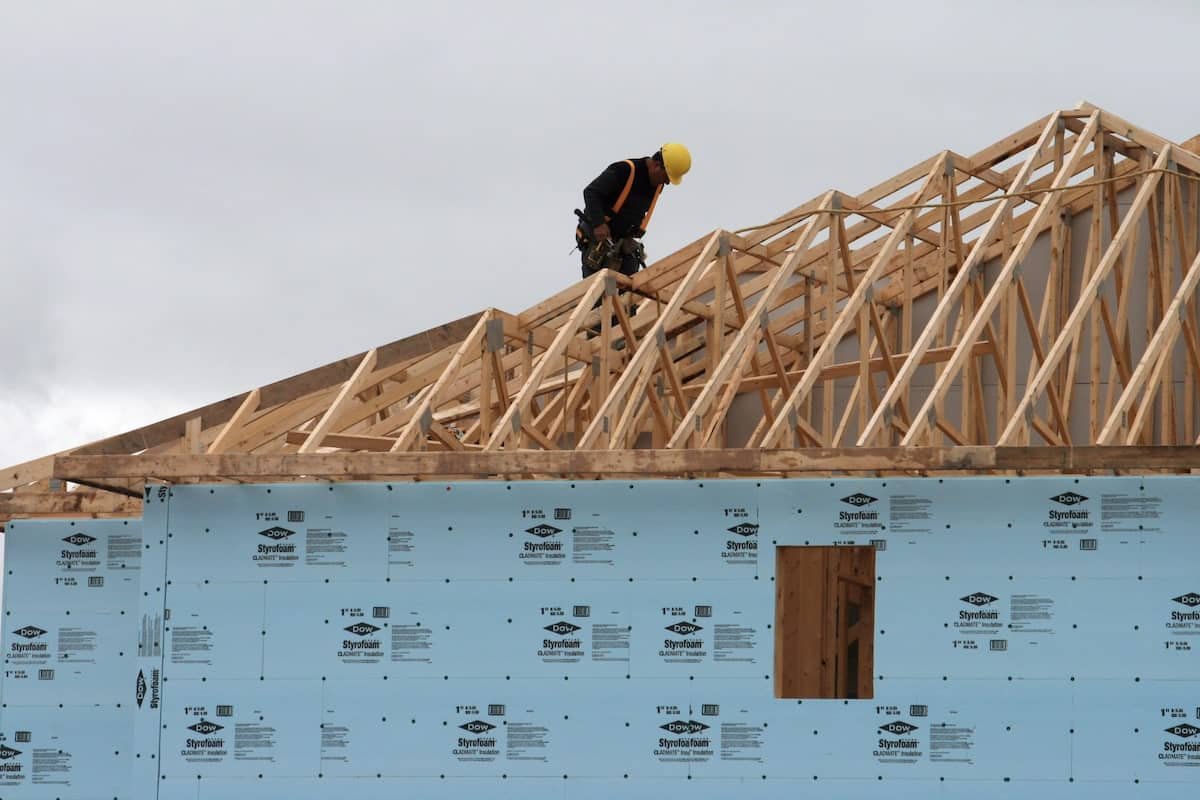
Canadian Housing Starts Rise 5.6% in 2025, Yet Remain Below Affordability Goals, Reports CMHC
In 2025, the Canadian construction industry experienced a significant uptick in housing starts, which rose by 5.6% to a total of 259,028 units, bolstered primarily by a surge in rental housing construction. Despite this positive development, the Canada Mortgage and Housing Corporation (CMHC) indicated that these figures remain insufficient to meet the escalating demand for affordable housing across the nation. CMHC’s chief economist, Mathieu Laberge, emphasized that while the increase is welcomed, it falls short of the targets necessary to stabilize housing affordability.
The rise in housing starts is particularly notable in Canada’s six largest markets, where a 3.9% increase year-over-year was observed. Noteworthy contributions came from Calgary and Edmonton, both of which achieved record annual starts, while Montreal reported a remarkable 58% increase in annual starts. Ottawa-Gatineau also recorded a 12% increase, although this growth was contrasted by notable declines in Toronto and Vancouver, where housing starts dropped by 31% and 3%, respectively.
Projections from CMHC suggest a staggering requirement for up to 4.8 million new homes over the next decade to restore affordability levels last seen in 2019, translating to an annual need of between 430,000 and 480,000 new units. Laberge stated that achieving these targets is a long-term endeavor, as the market seeks to align supply with demand. Despite the recent momentum, the market exhibited signs of slowing, especially towards the latter part of the year, with the overall seasonally adjusted annual rate of starts showing a decline in December.
This shift towards rental housing reflects a strategic response by developers amid economic uncertainty, stemming partly from Canada’s trade tensions with the U.S. Developers have increasingly opted for mid-density, “missing middle” housing projects—such as row-style homes and townhouses—over larger, risk-laden condominium developments. This pivot towards smaller, more manageable projects may be a sustainable approach to addressing immediate market demands.
Moving forward, however, experts warn of potential market moderation due to several factors, including slower population growth, increasing vacancy rates, rising unsold inventories, and weak pre-construction sales. The construction sector will need to navigate these challenges while striving for the aggressive targets set forth by CMHC to ensure long-term sustainability and affordability in the Canadian housing landscape. As the industry adjusts to these dynamics, the implications of current trends will undoubtedly shape the future of housing in Canada.
📋 Article Summary
- Housing starts in Canada increased by 5.6% in 2025, reaching 259,028 units, but still fall short of the 4.8 million homes needed over the next decade for affordability.
- Major cities like Calgary, Edmonton, Montreal, and Ottawa-Gatineau reported significant year-over-year growth, while Toronto and Vancouver experienced declines.
- Developers are shifting focus to smaller, more cost-effective "missing middle" housing projects amid economic uncertainty and cautious market conditions.
- Future housing starts are anticipated to moderate due to slower population growth, rising vacancy rates, and weak pre-construction sales in regions like the Greater Toronto Area.
🏗️ Impact for Construction Professionals
The recent rise in housing starts in Canada, although only 5.6% year-over-year, presents both opportunities and challenges for construction professionals. The increase is primarily driven by new rental housing projects, a sector that continues to grow amidst ongoing affordability issues.
Opportunities: With the Canada Mortgage and Housing Corp. projecting a need for up to 4.8 million new homes over the next decade, there’s significant demand for various housing types, especially "missing middle" housing like townhouses and plexes. Consider pivoting your project focus to capitalize on this trend.
Challenges: A drop in major projects in larger cities, like Toronto and Vancouver, indicates market uncertainty. This could lead to tightened margins and increased competition for smaller projects.
Actionable Insights: Streamline your operations to be agile, focusing on smaller, faster projects rather than large-scale developments. Invest in understanding local demand and cost structures, particularly in regions seeing housing growth.
Strategic Planning: Factor in the projected slowdown in population growth and potential climbing vacancy rates into your forecasts. Prepare for fluctuating construction costs by developing solid relationships with suppliers and subcontractors to negotiate better pricing.
In essence, adapt your business strategy to align with evolving housing demands while keeping an eye on overarching economic trends.
#Canadian #housing #starts #short #affordability #target #CMHC

