
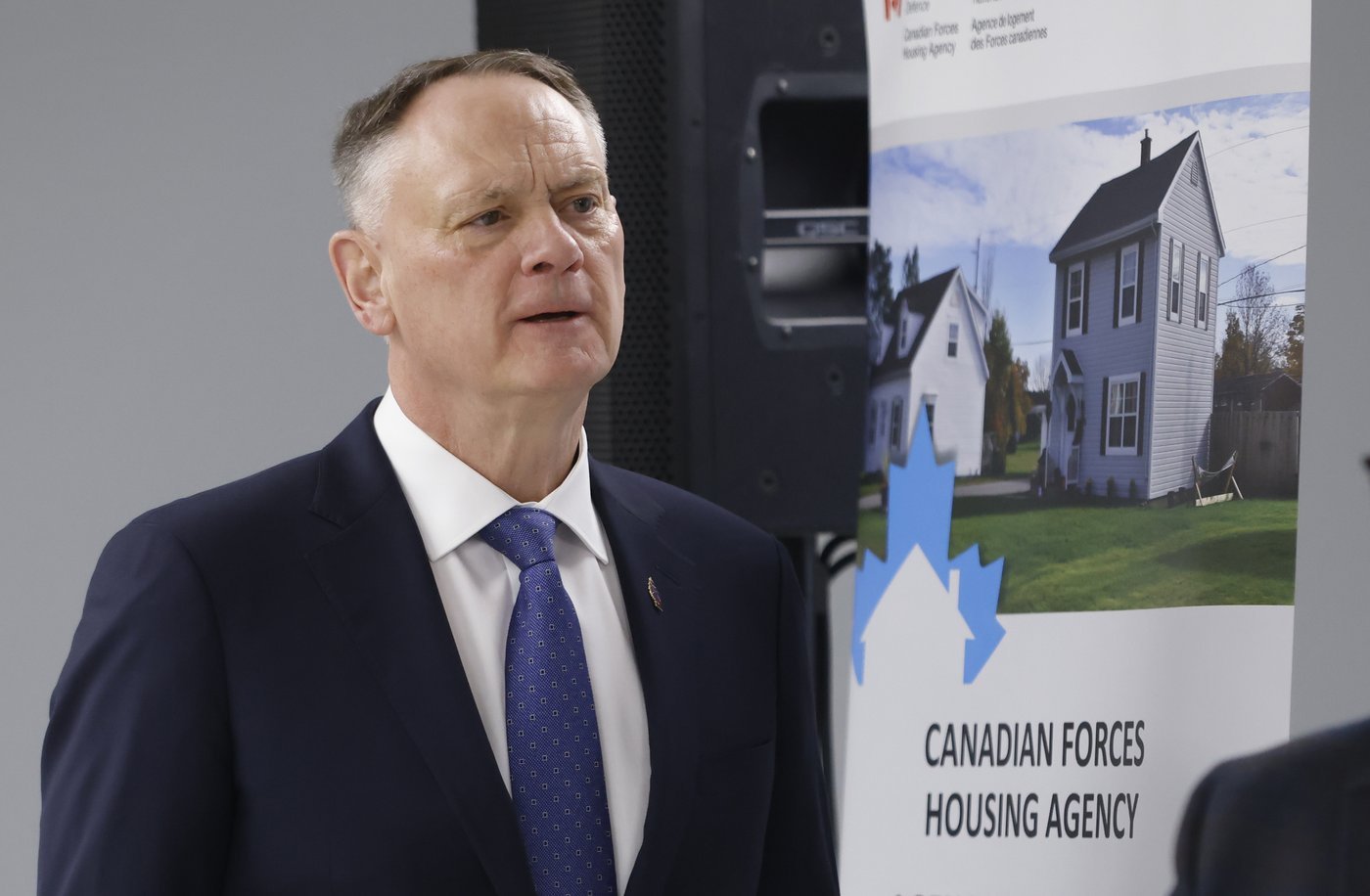
Ottawa Invests $3.7 Billion to Enhance Military Housing Availability
Overview of Recent Developments in Military Housing in Canada
The recent announcement of significant funding for military housing marks a pivotal step in addressing the long-standing deficiencies faced by the Canadian Armed Forces (CAF). With a burgeoning wait-list exceeding 6,700 CAF members for adequate housing, this move signals an urgent response to the deteriorating conditions within existing military facilities. According to Canada’s auditor general, many military housing units are aging and in disrepair, with alarming concerns raised about the quality of living conditions. Issues such as unsafe drinking water, malfunctioning toilets, and structural damage have been noted, prompting a need for immediate remediation to ensure that CAF personnel are not subjected to substandard living environments.
The funding allocation will enable the construction of over 3,400 new housing units across various military bases, including significant contributions of 500 units at CFB Gagetown in New Brunswick, 900 units in Kingston, Ontario, and more than 1,000 units at sites in Valcartier, Petawawa, and Edmonton. This infusion of resources is a part of a broader strategy not just to enhance living conditions, but to support recruitment efforts within the military, which have reportedly surged by 13% over the previous eight months. Liberal MP David Myles expressed optimism about the funding’s potential to improve overall infrastructure on military bases, which he noted have largely remained untouched since the 1960s.
Yet, despite the positive implications of this funding, skepticism persists, particularly among Conservative critics. James Bezan highlighted the ongoing challenges resulting from a historically inadequate response to housing shortages, cautioning that funding announcements must translate into tangible action. The stark reality is that many service members continue to face unsafe living conditions, exacerbated by the rising cost-of-living crisis.
From a construction industry perspective, this announcement could lead to a series of procurement opportunities and industry growth, particularly in sectors focused on residential construction and renovation. The scope of developing new units necessitates collaboration between government entities and private construction firms, highlighting the need for expedited project timelines to alleviate the current housing crisis.
In conclusion, while the announcement heralds a positive shift towards improving housing conditions for the Canadian Armed Forces, it also underscores the complexity of military infrastructure needs that go beyond just residential units. The commitment to upgrading facilities reflects a broader understanding of the military’s role in sustaining national security and operational readiness. As the project unfolds, it will be critical to monitor its execution and ensure that it effectively meets the pressing demands of military personnel across Canada.
📋 Article Summary
- The Canadian government announced plans to construct new housing units to improve conditions for the Canadian Armed Forces, addressing aging facilities and a significant housing shortfall.
- Auditor General Karen Hogan highlighted severe living conditions within military housing, including issues with water and structural integrity.
- Regions like CFB Gagetown and Kingston will receive substantial new housing units, although broader infrastructure upgrades are also urgently needed.
- Despite recent recruitment increases of 13%, skepticism remains from opposition about the government’s ability to effectively deliver on housing commitments.
🏗️ Impact for Construction Professionals
The recent announcement about the Canadian Armed Forces receiving funding for new housing presents significant opportunities for construction professionals. As plans roll out for 500 new units at CFB Gagetown, 900 units in Kingston, and over 1,000 at several locations, construction companies should position themselves to bid on these contracts.
Practical Business Implications: With a focus on modernizing military housing, firms can diversify their portfolios and enhance their expertise in public sector projects.
Opportunities: This initiative isn’t just about housing; it serves as a wake-up call for other infrastructure needs on military bases, including roads and utility updates. Companies specializing in renovation and maintenance should also explore bidding on those contracts.
Challenges: However, be prepared for competition and the regulatory hurdles often associated with government contracts.
Actionable Insights: Network with local government officials and military contacts to stay abreast of developments. Invest in project management software to streamline bidding processes and improve project tracking.
Aligning your strategic planning to incorporate these opportunities can better position your firm for immediate and long-term growth in this sector.
#Ottawa #spending #billion #boost #military #housing #stock

