
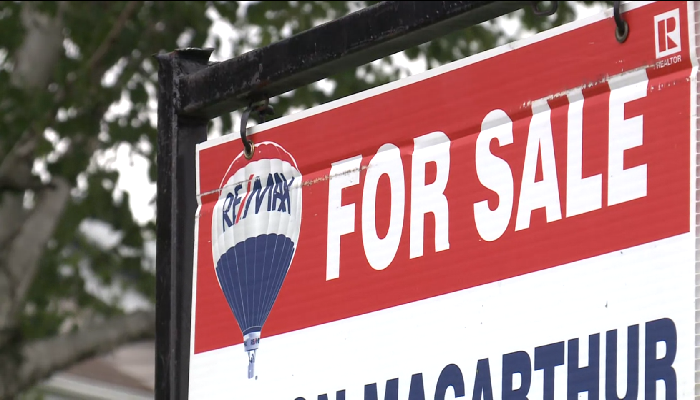
2025 Marks Canada’s Slowest Housing Market Since 2010, with Rising Inventory
In 2025, the Canadian housing market experienced a significant downturn, marking its slowest year for home sales since 2010. Industry experts characterize this decline as anticipated rather than alarming, attributing it primarily to a deceleration in population growth and shifting market dynamics. Homeowners, particularly those waiting for pre-pandemic price levels to return, may face a prolonged wait as the market adjusts to these new realities.
Steve Pomeroy from the Canadian Housing Evidence Collaborative highlights a historical perspective, noting that the last comparable decline occurred in 1989 when Toronto’s property prices dropped by 19%. It took nearly a decade for prices to rebound, suggesting that current homeowners may be in for a similarly extended recovery period. David-Alexandre Brassard, Chief Economist at Chartered Professional Accountants of Canada, reinforces this sentiment, stating that the conditions necessary for a price rebound are absent, given the stalled population growth that previously fueled housing demand.
A noteworthy aspect of this year’s market correction is the federal government’s newly implemented Levels Plan, a strategy aimed at recalibrating Canada’s immigration system. This initiative seeks to bolster the domestic economy while alleviating housing pressures nationwide. A reduction in immigration directly correlates to diminished demand for housing; coupled with a rise in rental investors liquidating their assets, this scenario contributes to an increased housing supply, encouraging price declines—a trend that Pomeroy asserts may benefit those grappling with housing affordability issues.
The city of Hamilton exemplifies the complexities of supply and demand within urban settings. Anticipating a population growth to 820,000 by 2051, Hamilton acknowledges its ongoing affordability challenge. However, the emphasis on addressing these challenges reflects broader market trends. Nicolas von Bredow, director at the Cornerstone Association of REALTORS, notes that the local market is gravitating towards a more balanced state. Increased inventory and declining interest rates have begun to coax buyers back into the market, prompting optimism for improved conditions in 2026.
Industry stakeholders remain keenly aware of these developments as the Canadian Real Estate Association prepares to release forecasts for 2026 and 2027. The market’s trajectory will heavily influence construction professionals, particularly regarding demand planning and investment strategies. In conclusion, while 2025 presented hurdles, the potential for a more balanced market may create opportunities for builders and real estate investors in the coming years. Understanding the evolving landscape will be critical for adapting to both current challenges and future opportunities.
📋 Article Summary
- The housing market in 2025 experienced its slowest sales since 2010, primarily due to decreased demand and slower population growth, according to experts.
- Homeowners hoping for a recovery to pre-pandemic prices may face a prolonged wait, reminiscent of the 1989 market decline, which took a decade to reverse.
- The federal government’s immigration changes, aimed at boosting the economy, are contributing to decreased demand and increased housing supply, leading to overall price declines.
- Despite current challenges, experts anticipate a more balanced market in 2026, with improved affordability and increased buyer activity as interest rates stabilize.
🏗️ Impact for Construction Professionals
The recent slowdown in the housing market, marking the slowest home sales since 2010, signals both challenges and opportunities for construction professionals.
Practical Implications:
With diminished demand and potential price decreases, construction companies may face tighter margins and delayed projects. Plan for reduced cash flow and consider adjusting your bidding strategies to remain competitive.
Opportunities:
This downturn may also open avenues for affordable housing projects, tapping into the affordability crisis. Explore partnerships with local governments or NGOs focused on developing affordable housing solutions.
Challenges:
The decreased population growth suggests a longer recovery period. Contractors should brace for a potentially stagnant market and reassess upcoming projects. Delay high-risk investments and focus on completing existing contracts efficiently.
Actionable Insights:
Implement a robust marketing strategy that emphasizes adaptability and cost-effectiveness. Stay informed on government immigration policies as they will directly impact demand. Networking with real estate professionals can also provide insights into market shifts.
Strategic Planning:
Reevaluate your business’s long-term goals. Diversify services or consider pivoting towards renovation projects, which may become more viable in a market constrained by affordability. This proactive approach allows you to navigate the changing landscape effectively, ensuring sustainability in operations.
#sees #slowest #Canadian #housing #market #inventory #increased

